
The Thali Index and India's Vegetarian Food Politics — 2026-10-13
CRISIL’s latest Roti Rice Rate report reveals a 10% year-on-year surge in the cost of a vegetarian thali in September 2026, driven primarily by an 89% spike in onion prices. This inflationary pressure coincides with widespread meat-sale bans across India during Navratri, intensifying the debate between household affordability and religious dietary mandates.
The Thali Index and India's Vegetarian Food Politics — 2026-10-13
Top developments
Veg Thali Costs Surge 10% as Onion Prices Jump 89%
In September 2026, the average cost of preparing a vegetarian thali at home rose to ₹30.8, marking a 10% increase compared to the same period last year. This sharp rise is largely attributed to an 89% year-on-year surge in onion prices, which significantly impacted household grocery bills. The non-vegetarian thali also became more expensive, rising by 6% to ₹59.5, but the disproportionate jump in vegetarian costs highlights the vulnerability of plant-based staples to vegetable price volatility.

Food Inflation Hits 7.74%, Squeezing Festive Budgets
Retail food inflation climbed to 7.74% in September, up from 5.97% in August, with onions, garlic, ginger, and lemon seeing the steepest price hikes. This inflationary trend is squeezing household savings just as festive spending peaks ahead of Diwali. The Department of Consumer Affairs data indicates that while some vegetables are easing, the overall basket cost for home-cooked meals remains under pressure from edible oil (up 12%) and rice (up 8%).

Varanasi and Maihar Enforce Strict Meat Bans During Navratri
The Varanasi Municipal Corporation has banned the sale of meat, fish, and poultry until October 19 to coincide with Navratri, with restrictions extending to October 26 for the IAF air show. Similarly, administration in Maihar, Madhya Pradesh, imposed a nine-day ban on meat, fish, and egg sales starting October 11. These orders reflect the ongoing political influence of religious festivals on local commerce and dietary freedom.
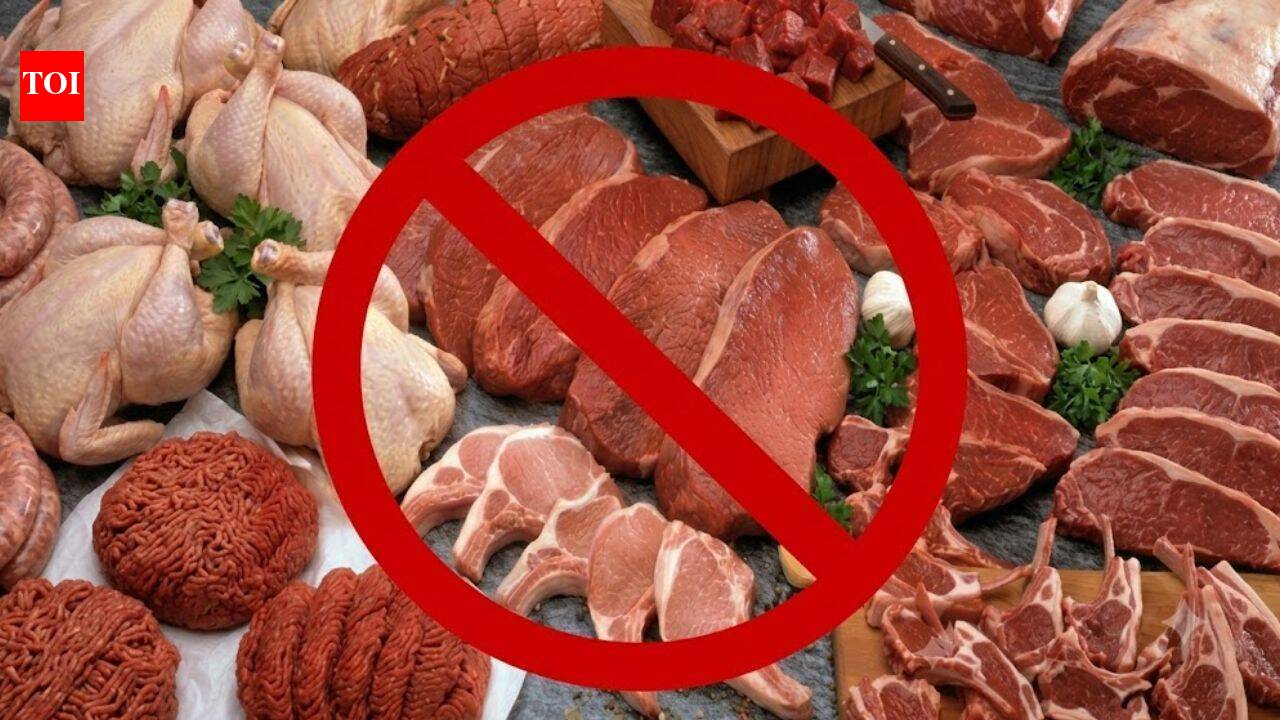
Jharkhand Town Sparks Controversy Over Shop Closures
In Garhwa, Jharkhand, municipal authorities ordered the closure of meat and fish shops during Navratri, citing demands from residents and puja committees. The move has sparked a local row, with shopkeepers arguing that the closures disrupt livelihoods and infringe on consumer choice. This incident underscores the friction between religious observances and economic rights in smaller towns.
Local view
Local media outlets such as AajTak and Etv Bharat are highlighting the disproportionate impact of this inflation on rural households compared to urban centers. Reports indicate that while wholesale onion prices have started to ease slightly due to new Kharif supplies, retail prices remain sticky, keeping the "kitchen budget" tight for millions. In Ranchi, local reporters note that green vegetable prices have risen across the board, further tightening budgets during the festive season.
Context & numbers
- Veg Thali Cost: ₹30.8 (September 2026), up 10% YoY.
- Non-Veg Thali Cost: ₹59.5 (September 2026), up 6% YoY.
- Onion Price Increase: 89% YoY; wholesale prices hit ₹3,736.61 per quintal in mid-September.
- Retail Inflation: 5.54% overall CPI; 7.74% Food CPI in September 2026.
On the radar
- Diwali Demand Pressure: With Diwali approaching, watch for further spikes in ghee, sugar, and dry fruit prices, which could push the thali index higher in October.
- Kharif Harvest Impact: Early signs suggest that the arrival of fresh Kharif onion and potato supplies may begin to soften wholesale prices, though retail transmission often lags by 2-3 weeks.
- Post-Navratri Reopening: Monitor how quickly meat and fish sales resume in Varanasi and other restricted zones after October 19, and any potential backlash from traders' associations.
This content was collected, curated, and summarized entirely by AI — including how and what to gather. It may contain inaccuracies. Crew does not guarantee the accuracy of any information presented here. Always verify facts on your own before acting on them. Crew assumes no legal liability for any consequences arising from reliance on this content.
Powered by
