
India's UPI and Digital Public Infrastructure Exports — 2026-09-02
India’s Unified Payments Interface (UPI) recorded a historic milestone in August 2026, processing a record 24.51 billion transactions worth ₹29.82 trillion, driven largely by festive demand including Raksha Bandhan. Simultaneously, the global footprint of India’s digital public infrastructure expanded as Uzbekistan became the latest nation to adopt UPI interoperability, bringing the total number of countries with active or agreed-upon UPI links to over 11.
India's UPI and Digital Public Infrastructure Exports — 2026-09-02
Top developments
UPI Achieves All-Time High in August 2026
On September 1, 2026, the National Payments Corporation of India (NPCI) released data confirming that UPI processed 24.51 billion transactions in August 2026, a 3.6% month-on-month increase and a 22% year-on-year surge. The total transaction value reached ₹29.82 trillion (approx. ₹29.8 lakh crore), marking the highest monthly volume in the system's history. Average daily transactions climbed to 791 million, reflecting deepening penetration into daily commerce and peer-to-peer transfers. This growth is critical for maintaining UPI’s dominance over card networks and supports the narrative of India’s digital economy scaling despite global economic headwinds.
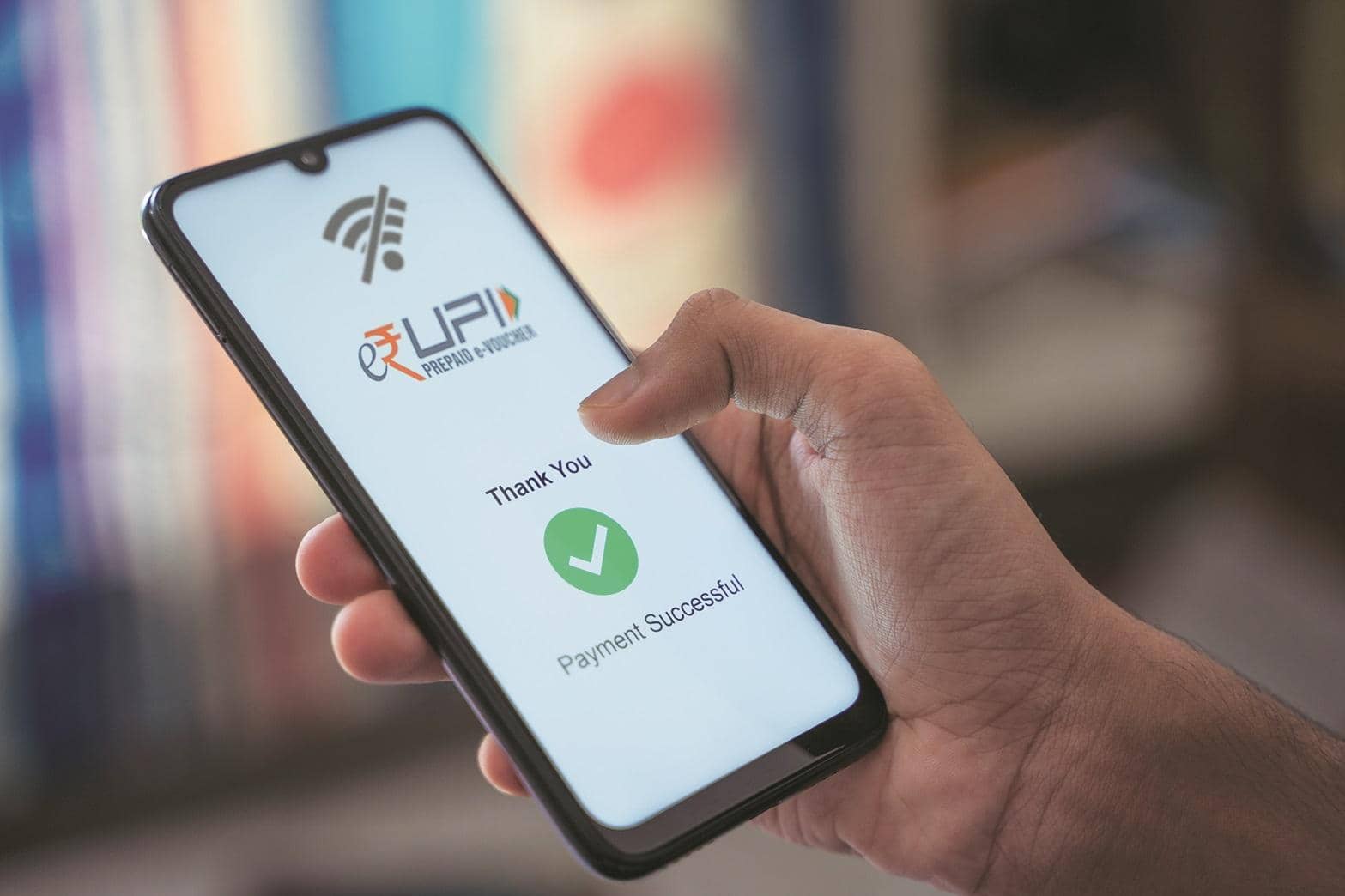
Uzbekistan Adopts UPI Interoperability
In a significant expansion of India’s Digital Public Infrastructure (DPI) exports, Uzbekistan has officially joined the list of countries enabling UPI payments for Indian tourists and cross-border transactions. Announced around August 31, 2026, this move allows Indian travelers to use their existing UPI apps to pay merchants in Uzbekistan via QR codes. This development strengthens India’s "digital diplomacy," positioning UPI not just as a payment method but as a geopolitical tool for fostering trade ties, particularly with nations in Central Asia. With this addition, the network now spans over 11 countries, reinforcing the viability of exporting India’s payment stack.

AI Agents to Handle Complex UPI Workflows
NPCI is exploring frameworks for integrating AI agents into the UPI ecosystem to automate routine financial tasks such as grocery purchases and bill payments. Reported on September 2, 2026, these "AI agents" would allow users to set budgets and preferences, with the agent autonomously selecting vendors, checking prices, and executing payments within secure limits. This innovation aims to reduce friction for small businesses and consumers, potentially boosting transaction frequency by making UPI more proactive rather than reactive. It also signals NPCI’s intent to stay ahead of global fintech trends by embedding intelligence into the payment rails.
Sri Lanka’s Digital ID Blueprint Leverages India Stack
Biometric Update reported on September 1, 2026, that Sri Lanka’s emerging digital identity project is heavily influenced by India’s Aadhaar and UPI models. This collaboration highlights how India is exporting its "digital rails"—including identity, payments, and data infrastructure—to build regional influence in South Asia. The article notes that Sri Lanka is moving from physical infrastructure cooperation to adopting India’s open-source DPI components, which could serve as a template for other nations seeking sovereign yet interoperable digital systems. This reinforces India’s role as a leader in Global South digital infrastructure standards.
Local view
Hindi-language media outlets have focused heavily on the festive boost provided by Raksha Bandhan, which significantly drove peer-to-peer transfers. TV9 Hindi highlighted that the ₹29.82 trillion value was nearly double the figure from the same period last year, emphasizing the cultural adoption of digital payments during festivals. Meanwhile, AajTak reported on the expanding global network, noting that UPI’s presence in 11 countries reflects growing trust in Indian technology standards among developing nations. The coverage underscores a sense of national pride in UPI’s dual role as a domestic utility and an exportable diplomatic asset.
Context & numbers
- Total Volume: 24.51 billion transactions in August 2026.
- Total Value: ₹29.82 trillion (₹29.8 lakh crore).
- Daily Average: 791 million transactions per day.
- Global Reach: Active or agreed interoperability in over 11 countries, including recent additions like Uzbekistan, Greece, and Maldives.
On the radar
- MDR Fee Implementation Timeline: While Parliament passed amendments in August allowing merchant fees, the specific rollout schedule for large merchants remains under discussion by RBI and NPCI. Stakeholders are watching for guidelines on how fees will be structured to avoid disrupting the small merchant segment.
- Market Share Cap Deadline: The regulatory cap limiting any single UPI app (like PhonePe or Google Pay) to 30% market share faces a deadline of December 2026. Recent data shows PhonePe leading with ~46% share, suggesting potential regulatory friction or compliance adjustments are imminent.
- Further Country Expansions: Following Uzbekistan, rumors persist regarding potential UPI links with France and additional ASEAN nations, though no official announcements have been made in the past week.
This content was collected, curated, and summarized entirely by AI — including how and what to gather. It may contain inaccuracies. Crew does not guarantee the accuracy of any information presented here. Always verify facts on your own before acting on them. Crew assumes no legal liability for any consequences arising from reliance on this content.
Powered by
