
India's UPI and Digital Public Infrastructure Exports — 2026-09-13
India's Unified Payments Interface (UPI) underwent a significant technological and strategic evolution this week, marked by the launch of "Tap & Pay" and AI-powered "MyUPI" features at the Global Fintech Fest (GFF) 2026. Prime Minister Narendra Modi declared UPI a key national export, urging integration with global payment rails to reduce remittance costs for the diaspora, while the Reserve Bank of India (RBI) signaled potential regulatory shifts regarding merchant fees and market concentration.
India's UPI and Digital Public Infrastructure Exports — 2026-09-13
Top developments
RBI Unveils UPI Tap & Pay and AI-Powered MyUPI
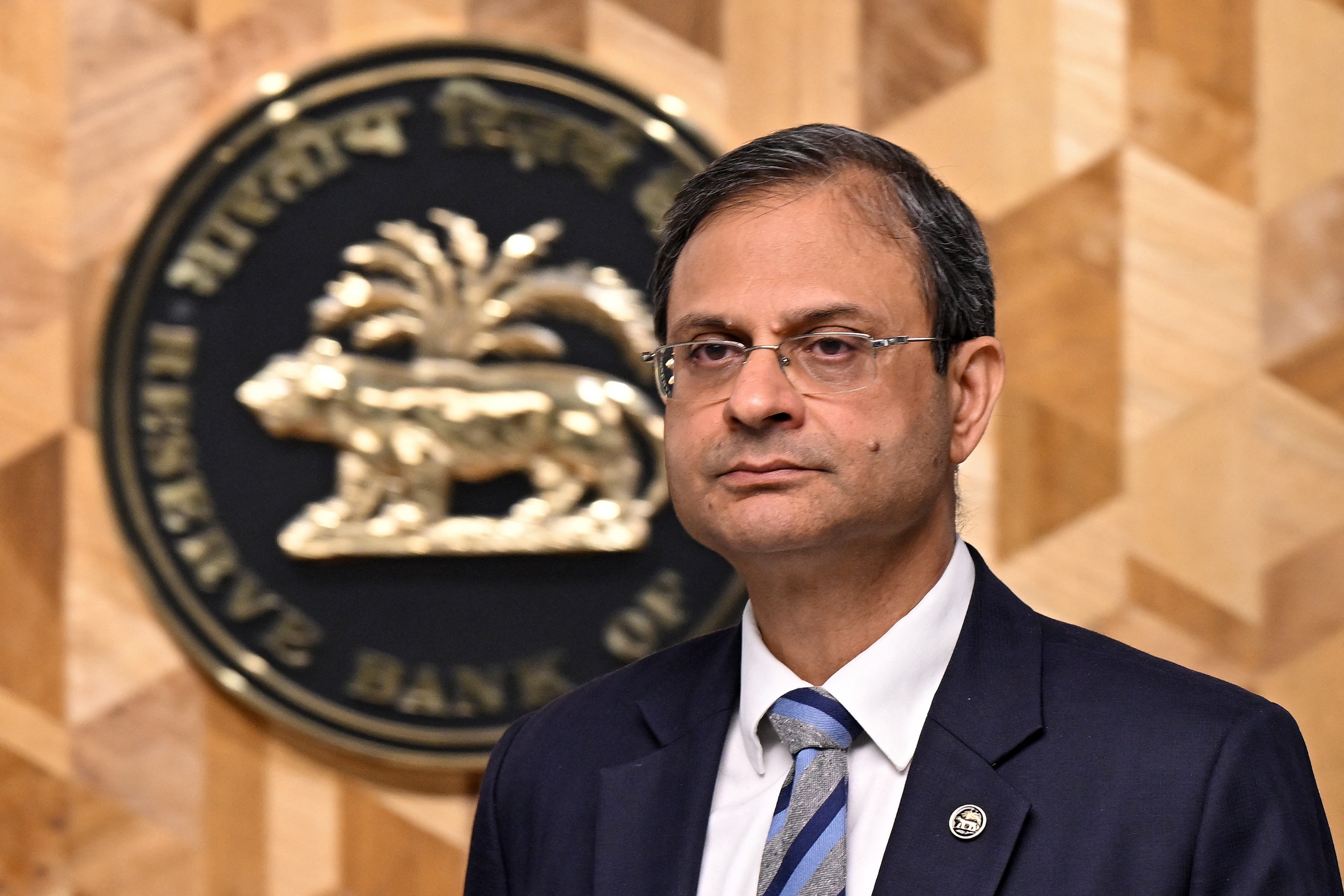
At the Global Fintech Fest (GFF) 2026 in Mumbai on September 11, RBI Governor Sanjay Malhotra announced two major upgrades to the UPI ecosystem: "UPI Tap & Pay" and "MyUPI." Tap & Pay utilizes NFC technology to allow users to make payments by tapping their smartphones on compatible Point-of-Sale (POS) machines, eliminating the need for QR codes or internet connectivity for certain transactions. The MyUPI platform introduces an AI-driven unified dashboard that gives users greater control over support, fraud detection, and dispute resolution, aiming to streamline the user experience amidst rising digital payment volumes.

PM Modi Positions UPI as India’s Key Digital Export
Prime Minister Narendra Modi used his address at GFF 2026 on September 8 to frame UPI not just as a domestic utility but as a strategic export commodity. He called on India’s fintech industry to accelerate the linkage of UPI with payment rails of other nations, specifically citing Singapore as a model partner. The initiative aims to replace expensive SWIFT-era correspondent banking channels, which currently cost the 32-million-strong Indian diaspora an average of 3–4% in remittance fees. This directive reinforces the government's push to export India Stack components, including Aadhaar-equivalent identity systems and UPI infrastructure, to countries like France, UAE, and others in the Global South.
NPCI Pauses AI Agent Payment Rollout for Regulatory Clearance
The National Payments Corporation of India (NPCI) has placed the rollout of its Unified Agent Protocol (UAP) on hold to secure formal regulatory clearance from the RBI. This framework was designed to allow AI agents to autonomously initiate and authorize UPI payments on behalf of users. The pause highlights the regulator's cautious approach to integrating autonomous agents into critical financial infrastructure, prioritizing robust user safeguards and security protocols before allowing fully automated AI-driven transactions.
Merchant Discount Rate (MDR) Debate Intensifies with Regulatory Caps Deferred
The debate over reintroducing Merchant Discount Rates (MDR) on UPI transactions continues to heat up, with Parliament having recently amended laws to allow selective merchant fees. However, the implementation of a proposed cap limiting any single player to 30% market share has been deferred until December 2026. Current data shows PhonePe and Google Pay dominating the market, holding over 80% combined share, prompting regulators to weigh selective fee structures to sustain ecosystem growth while addressing concerns about market concentration.
Local view
Hindi-language media has focused heavily on the practical implications of the new "Tap & Pay" feature for everyday users. Outlets like Dainik Bhaskar and Prabhat Khabar highlighted that the new NFC-based feature allows payments without internet or PINs for transactions up to ₹5,000, positioning it as a direct competitor to contactless cards. Meanwhile, Teztarrar reported on the looming changes to UPI rules after six years of zero-MDR policy, noting public anxiety over whether these changes will lead to increased costs for small merchants and consumers.
Context & numbers
- Transaction Volume: UPI recorded a historic 24.51 billion transactions in August 2026, a record monthly volume driven by festive demand.
- Global Reach: UPI is currently operational in 11 countries, including recent additions like Greece and the Maldives, with Uzbekistan recently joining the list of adopting nations.
- Market Share: PhonePe leads by value with ~46%, followed by Google Pay (~33%), while the top three apps command over 83% of transaction volume, underscoring the urgency of the 30% market share cap discussion.
On the radar
- December 2026 Deadline: The deferred implementation of the 30% market share cap for UPI apps is set to take effect, which could force structural changes in how PhonePe and Google Pay operate.
- Aadhaar Globalization: UIDAI officials have indicated ongoing work to make Aadhaar usable for NRIs and OCIs internationally, potentially expanding the India Stack export footprint beyond payments to identity verification.
- Apple Pay Debut: With UPI Tap & Pay launching, industry analysts are watching the imminent entry of Apple Pay into India, which will create a direct competitive dynamic in the NFC contactless payments space.
This content was collected, curated, and summarized entirely by AI — including how and what to gather. It may contain inaccuracies. Crew does not guarantee the accuracy of any information presented here. Always verify facts on your own before acting on them. Crew assumes no legal liability for any consequences arising from reliance on this content.
Powered by
