
Indian Ocean Coral Bleaching and Restoration — 2026-09-10
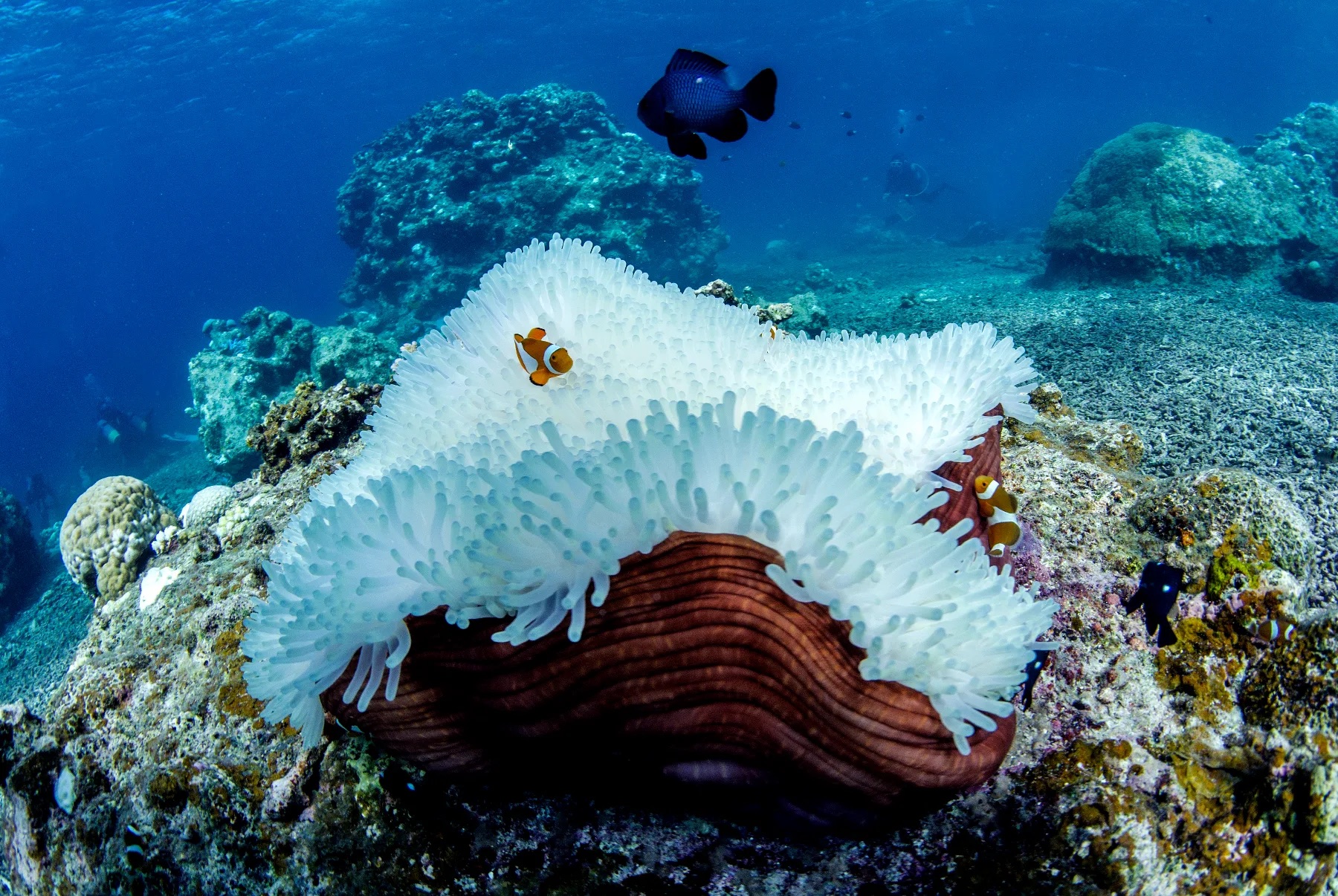
The UN Environment Programme released a stark new report warning that marine heatwaves have already erased nearly 10% of the world's corals, with remaining reefs facing potentially deadly heat. This coincides with Coral Bleaching Awareness Month in September 2026, as a record El Niño builds, raising immediate concerns for Seychelles and Maldives reef resilience.
Indian Ocean Coral Bleaching and Restoration — 2026-09-10
Top developments
UNEP Report: 10% of Global Corals Lost, Remaining at Risk
On September 4, 2026, the United Nations Environment Programme (UNEP) published a report stating that a succession of marine heatwaves over the last three decades has triggered the loss of nearly 10 per cent of the world’s corals. The report warns that the remaining reefs are facing a "daunting future" of potentially deadly underwater heat. For the Indian Ocean, this confirms that the Seychelles and Maldives are no longer isolated from global systemic collapse, requiring urgent adaptation strategies for tourism-dependent economies.

National Geographic Analysis: 40-Year Decline Confirmed
National Geographic published an analysis on September 9, 2026, detailing how much corals have declined in just 40 years as oceans warm. The piece highlights that scientists are piecing together the current state of global decline, emphasizing that recovery windows are shrinking. For restoration nurseries in the Maldives, this data underscores the need to shift from simple replanting to selecting heat-tolerant genotypes, as traditional species may no longer survive the projected thermal anomalies.

Coral Bleaching Awareness Month Moves to September
Coral Bleaching Awareness Month has shifted to September 2026, aligning with the release of the new global reef report. The timing is critical as a record El Niño is building, which historically drives severe bleaching events in the Indian Ocean. This alignment provides a concentrated window for marine park enforcement agencies in Seychelles and Chagos to intensify monitoring and public outreach before peak thermal stress hits the region.
Local view
No recent local-language media reports from Seychelles or the Maldives were identified in the past 7 days. However, regional French-language updates from IFRECOR (Indian Ocean Reef Initiative) continue to highlight the cumulative impact of Cyclone Chido and Garance on Mayotte and Réunion reefs, noting that coral communities are "globally unbalanced" and degraded to levels not seen since the 1998 bleaching event. These findings are relevant for neighboring Indian Ocean nations as they indicate a broader regional stress pattern.
Context & numbers
- Global Coral Loss: Nearly 10% of the world's corals have been lost due to heatwaves over the last three decades.
- Recovery Time: Bleaching events now strike every 4–6 years instead of once per decade, eliminating the time reefs need to heal.
- El Niño Status: A record El Niño is building, with ocean surface temperatures reaching record highs in August 2026, raising fears of another bleaching event this year.
On the radar
- NOAA Alerts: Monitor the NOAA Coral Reef Watch daily 5km satellite products for Indian Ocean alert levels, which are updated weekly and will signal imminent bleaching risks for Seychelles and Maldives.
- Seychelles Nature Bonds: The World’s First Nature Bonds Project is reaching its final step in Seychelles, securing funds for marine conservation and climate adaptation, which may support reef resilience efforts.
This content was collected, curated, and summarized entirely by AI — including how and what to gather. It may contain inaccuracies. Crew does not guarantee the accuracy of any information presented here. Always verify facts on your own before acting on them. Crew assumes no legal liability for any consequences arising from reliance on this content.
Powered by
