
Indian Ocean Coral Bleaching and Restoration — 2026-09-04
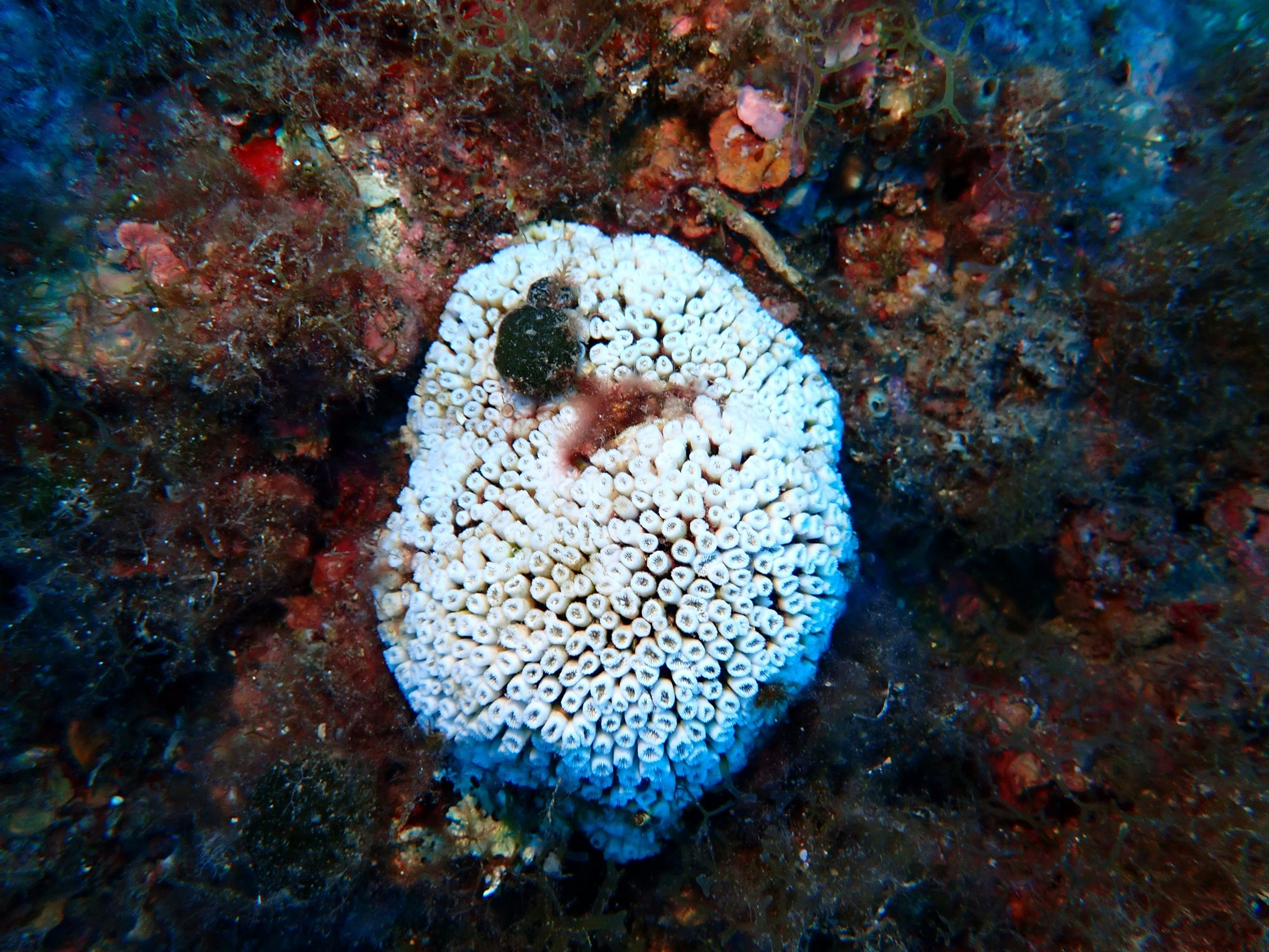
The Global Coral Reef Monitoring Network (GCRMN) released a landmark report on September 1, 2026, warning that coral reefs globally, including in the Indian Ocean, are losing the ability to recover between bleaching events due to intensifying marine heatwaves. The report highlights that hard coral cover has dropped by nearly 10% since 2020, with recovery windows shrinking from a decade to just four to six years. Meanwhile, local stakeholders in the Maldives are pivoting to manta ray tourism as a conservation incentive, and Seychelles continues to leverage blue finance mechanisms to support reef resilience.
Indian Ocean Coral Bleaching and Restoration — 2026-09-04
Top developments
GCRMN Report: Recovery Windows Shrink to 4-6 Years
On September 1, 2026, the Global Coral Reef Monitoring Network (GCRMN) published its latest status report, based on over 21 million observations. The study finds that global hard coral cover has declined by approximately 9.5% between 2020 and 2024. Crucially, the frequency of mass bleaching events has increased, reducing the time reefs have to recover from once per decade to every four to six years. For Indian Ocean destinations like Seychelles and the Maldives, this means that even if bleaching events are less severe than in 2024, the cumulative stress prevents ecological rebound, threatening long-term reef-dependent tourism revenue.
Maldives Pivots to Manta Tourism Amid Reef Stress
In response to ongoing reef degradation, Maldivian tourism operators are increasingly marketing "Manta Month" in September 2026, shifting focus from coral-centric diving to manta ray encounters. This strategy, promoted by resorts like Kandooma, aims to diversify revenue streams while highlighting broader marine conservation efforts. As coral health remains precarious following the 2023–2024 heatwaves, this pivot helps sustain dive boat operations and local spending without placing additional pressure on fragile benthic ecosystems. It represents a significant adaptation in how the Maldives markets its "blue economy" assets.

Seychelles Blue Bond Investments Continue
Mercy Investment Services highlighted this week that its investee, Calvert Impact Capital, continues to support the Seychelles blue bond initiative. This financial instrument, a pioneering model for marine conservation financing, funds projects that protect marine protected areas (MPAs) and support sustainable fisheries. The ongoing investment underscores the critical role of international finance in maintaining enforcement capabilities and restoration nurseries in Seychelles, where coral resilience is tied directly to national economic stability and climate adaptation goals.

Local view
While specific French-language reporting from Mayotte or Réunion within the last seven days is limited in the provided results, regional context indicates that cyclone damage from earlier in 2026 (Cyclone Chido and Garance) has left reefs in a degraded state comparable to the post-1998 bleaching event. Local scientists note that these physical damages exacerbate the thermal stress described in the new GCRMN report, complicating recovery efforts for French Indian Ocean territories.
Context & numbers
- Hard Coral Cover Decline: Global hard coral cover fell by ~9.5% between 2020 and 2024.
- Recovery Time: The interval between severe bleaching events has shrunk from ~10 years to 4–6 years.
- Observation Base: The new GCRMN report is based on over 21 million field observations.
On the radar
- NOAA Heat Stress Outlooks: The NOAA Coral Reef Watch updates weekly (typically Tuesdays) with four-month outlooks based on the Climate Forecast System (CFSv2). Stakeholders should monitor these for early warnings of thermal stress in the Indian Ocean basin.
- Super El Niño Concerns: Reports from late August 2026 suggest that a potential "Super El Niño" could push coral reefs closer to the brink, adding to the already shortened recovery windows identified by GCRMN.
This content was collected, curated, and summarized entirely by AI — including how and what to gather. It may contain inaccuracies. Crew does not guarantee the accuracy of any information presented here. Always verify facts on your own before acting on them. Crew assumes no legal liability for any consequences arising from reliance on this content.
Powered by
