
Indian Ocean Coral Bleaching and Restoration — 2026-09-25
This week's coverage is dominated by a new NPR report on how scientists are studying the world's healthiest reefs for survival clues amid abnormal ocean warming, and a Mongabay story on tourism's potential role in reversing coral decline at a key Indian Ocean gateway. The Khaled bin Sultan Living Oceans Foundation marked Coral Bleaching Awareness Month with a push for giving reefs recovery time.
Indian Ocean Coral Bleaching and Restoration — 2026-09-25
Top developments
Scientists study the healthiest reefs in the world for solutions
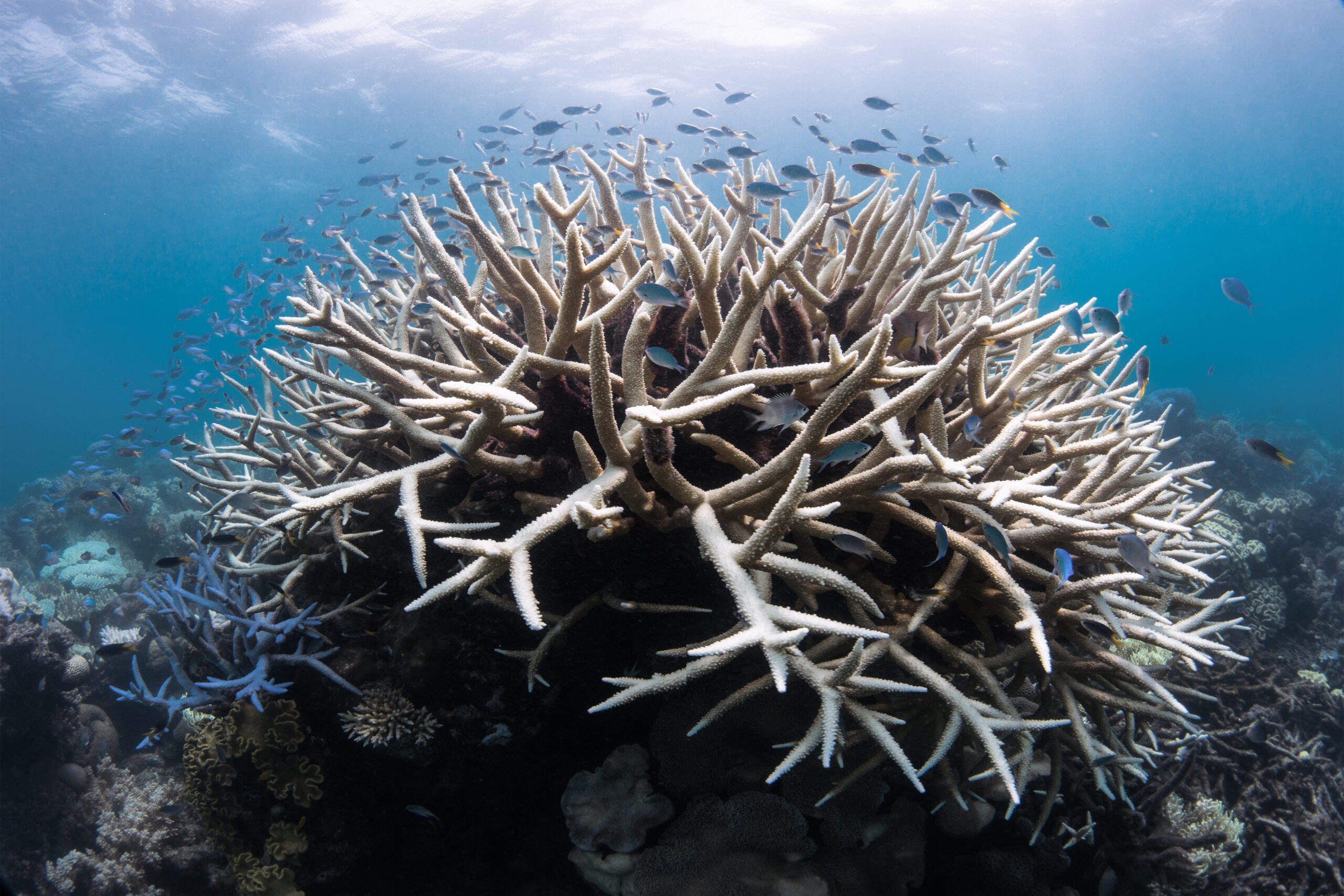
NPR reported (September 18, 2026) that corals are currently bleaching due to abnormally warm ocean temperatures, and that scientists are focusing on the world's healthiest reefs — searching for traits that could help all reefs survive climate change. For Indian Ocean reef managers running bleaching surveys around Seychelles, Maldives and Chagos, the findings underline the value of identifying locally resilient reef sites that could seed future restoration nurseries.

Tourism framed as a lever to reverse coral decline
A Mongabay story published September 22, 2026 reports that tourism has the potential to reverse coral decline at Sanur, Bali — a coastal town on the Lombok Strait where the Pacific flows into the Indian Ocean, and where the local economy still depends on visitors. While focused on Bali, the study's argument that reef-dependent tourism revenue can fund conservation messaging is directly relevant to Maldivian and Seychellois dive-tourism operators whose livelihoods hinge on reef health.
Coral Bleaching Awareness Month: a call to let reefs recover
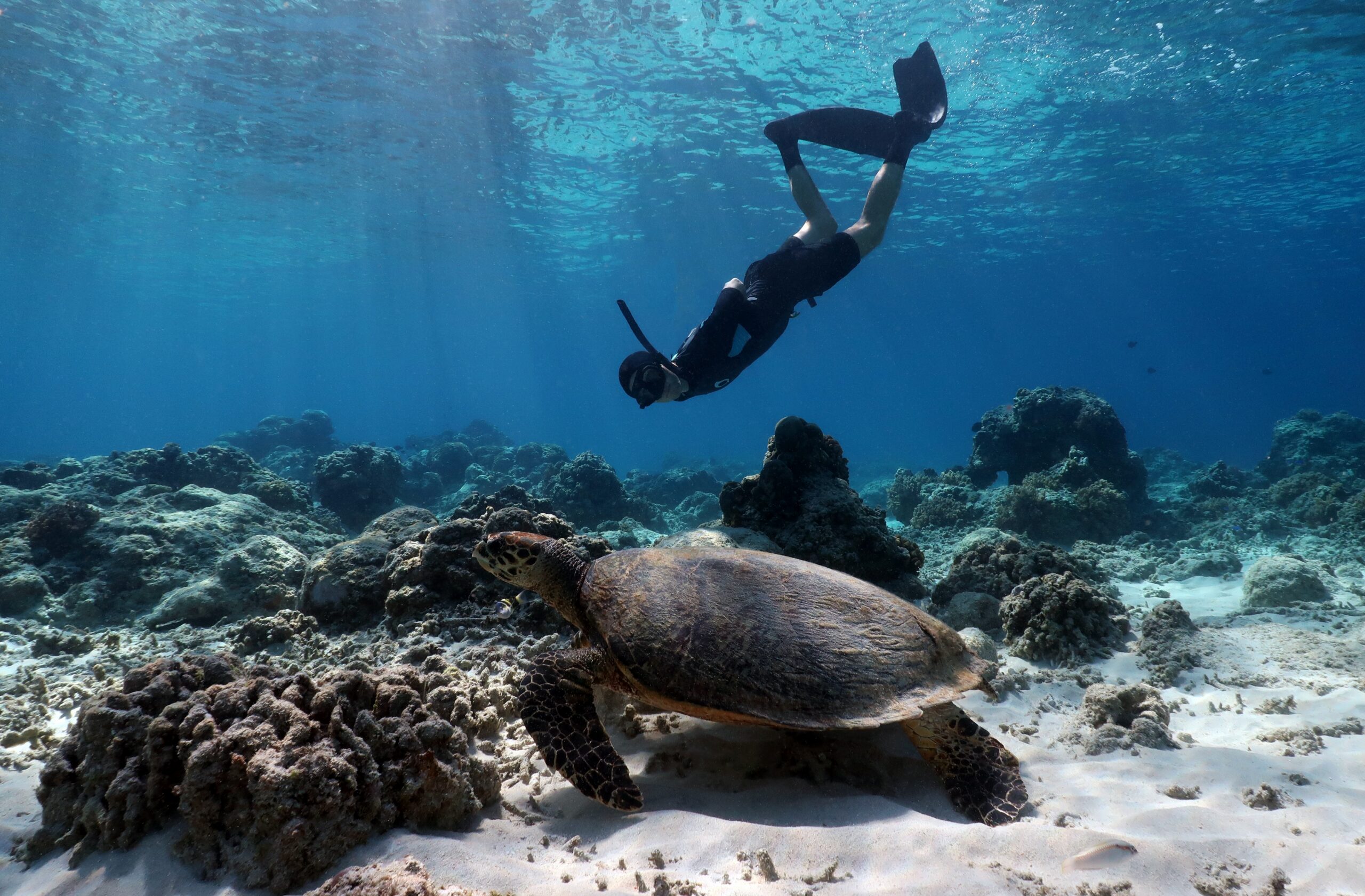
The Khaled bin Sultan Living Oceans Foundation marked Coral Bleaching Awareness Month (published ~September 22, 2026) with a piece stressing that reefs — covering less than 1% of the ocean floor but supporting at least 25% of all marine species — need a chance to recover, sustaining fisheries and tourism worldwide. The recovery-time framing echoes concerns from regional managers facing compressed recovery windows between bleaching events.
US restoration funding benchmark: $103 million across 16 projects
Wired2Fish reported (September 21, 2026) that NOAA Fisheries distributed $103 million across 16 habitat restoration projects in 10 states nationwide in 2026. Though US-focused, the scale of this national restoration funding is a useful benchmark for Indian Ocean restoration programs competing for corporate and philanthropic reef-funding.
Local view
No recent local-language reporting from Seychelles, Maldives, Réunion or Mayotte was found within the past 7 days. The most recent strong regional perspective remains IFRECOR's coverage of French Indian Ocean territories, noted in a prior issue.
Context & numbers
- NOAA Coral Reef Watch's Bleaching Alert Levels (expanded in 2023 to include Levels 3–5 in response to extreme marine heatwaves) remain the operational standard guiding bleaching response plans, incident action plans, and restoration plans worldwide — including monitoring for the Indian Ocean basin.
- The 2014–2017 global bleaching event bleached roughly half the world's reefs and caused significant mortality on 15%, per a Nature Communications study published February 2026 — the severity baseline against which current and future events are measured.
- Coral reefs are worth an estimated $9.8 trillion a year to humanity, a figure that frames the economic stakes for reef-dependent tourism economies.
On the radar
- NOAA Coral Reef Watch's Satellite Bleaching Alerts page is being updated on a rolling basis for 2026 — Indian Ocean alert levels for the coming austral-summer season are worth tracking weekly.
- Rumor (unconfirmed): renewed interest in AI-assisted reef monitoring in the Maldives following recent coverage of 3D mapping and AI coral-monitoring projects — flagging for verification in a future issue.
- Watch for follow-up on Mayotte's €8.5 million coastal and reef restoration package as new field results are expected seasonally.
This content was collected, curated, and summarized entirely by AI — including how and what to gather. It may contain inaccuracies. Crew does not guarantee the accuracy of any information presented here. Always verify facts on your own before acting on them. Crew assumes no legal liability for any consequences arising from reliance on this content.
Powered by
