
Indian Ocean Coral Bleaching and Restoration — 2026-10-23
The International Union for Conservation of Nature (IUCN) has issued a stark global assessment, classifying 96% of shallow-water coral reef ecosystems as "Critically Endangered" with a high risk of collapse by 2075. Amidst this global warning, localized efforts in the Indian Ocean show mixed results: while the Seychelles advances its pioneering blue finance model, Maldives conservation teams are innovating by transforming retired aircraft into artificial reefs, and new scientific findings suggest physical contact with healthy corals can accelerate recovery from bleaching.
Indian Ocean Coral Bleaching and Restoration — 2026-10-23
Top developments
IUCN Red List classifies 96% of shallow reefs as Critically Endangered
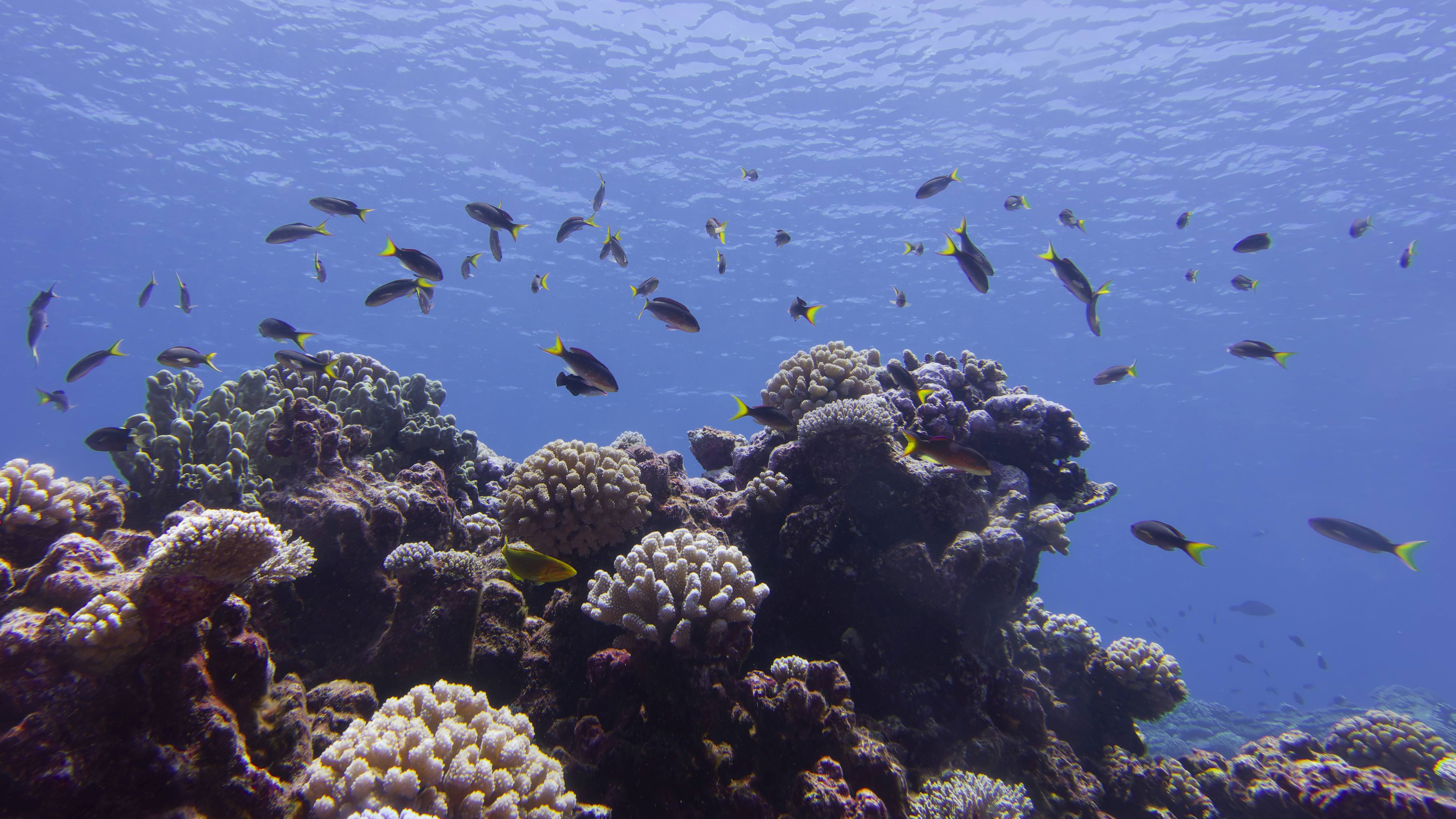
On October 22, 2026, the IUCN released its first global assessment under the Red List of Ecosystems, finding that 96% of shallow-water coral reef systems across 80 countries face an extremely high risk of collapse within 50 years. This "wake-up call" highlights that global heating is endangering nearly every assessed reef, including those in the Great Barrier Reef and the Indian Ocean, threatening fisheries and coastal protection.
Maldives transforms retired aircraft into artificial reefs
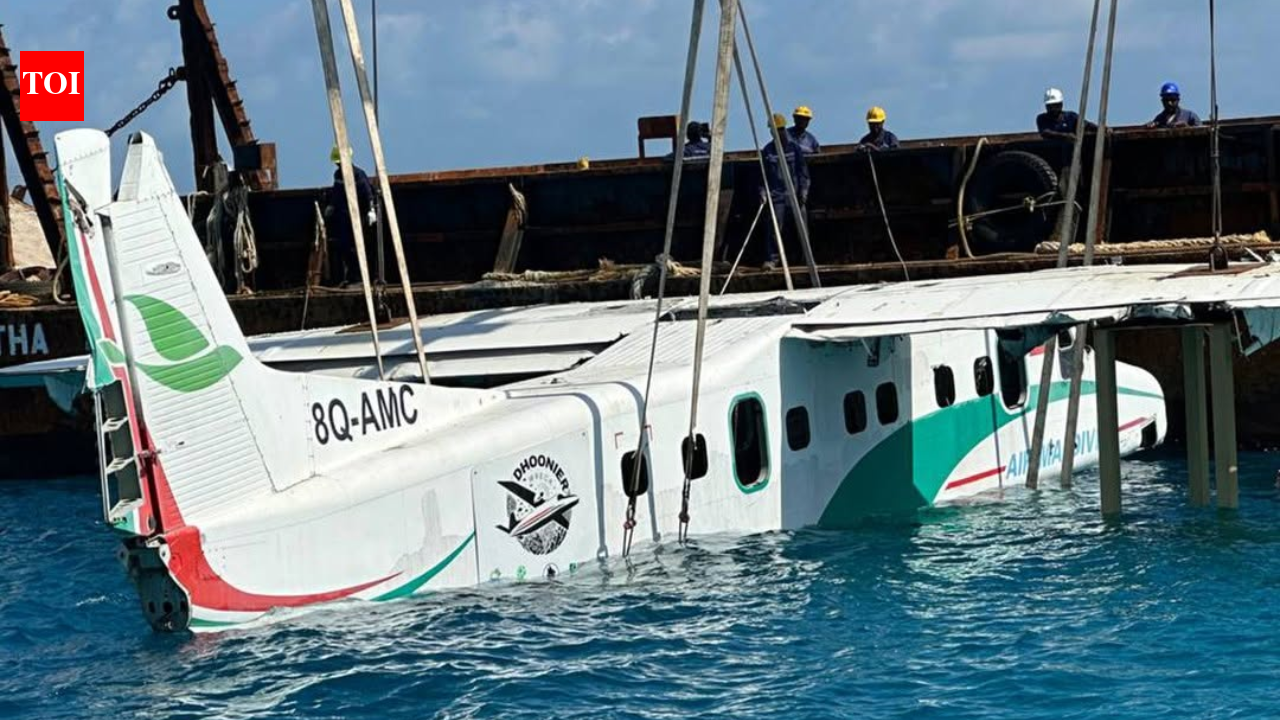
In a unique restoration initiative, conservation teams in the Maldives have begun attaching coral fragments to two retired aircraft submerged near an island. Originally placed as a diving attraction, these wrecks are now being actively cultivated to create new marine habitats, offering a novel approach to reef-dependent tourism and ecological recovery.
Physical contact aids rapid coral recovery from bleaching
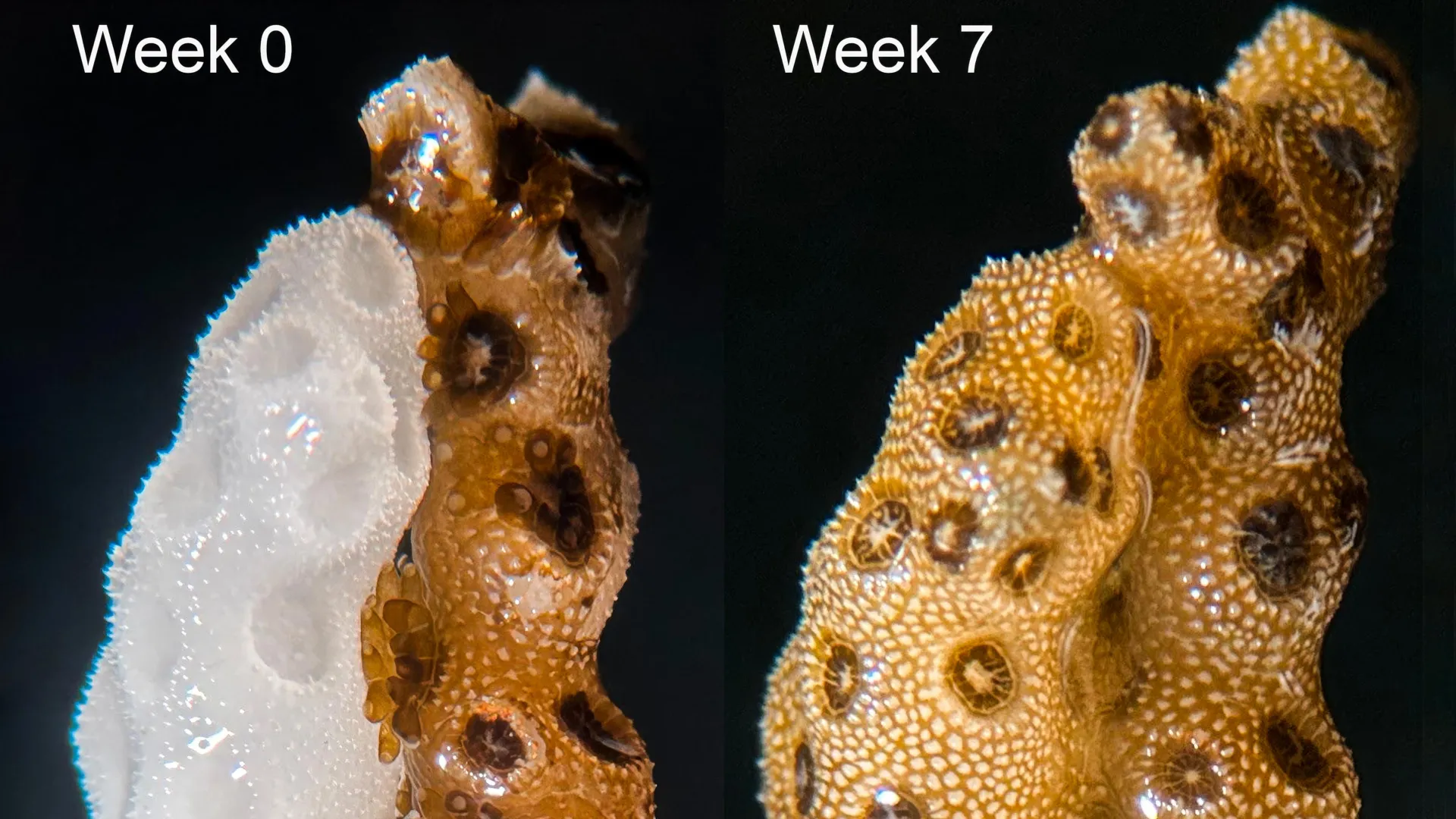
Recent research highlighted by ScienceDaily reveals that severely bleached corals can fully recover within seven weeks simply by touching healthy, genetically identical corals. This discovery suggests that physical contact facilitates the transfer of symbiotic algae or immune factors, potentially offering a low-cost restoration strategy for bleaching events in the Indian Ocean.
Local view
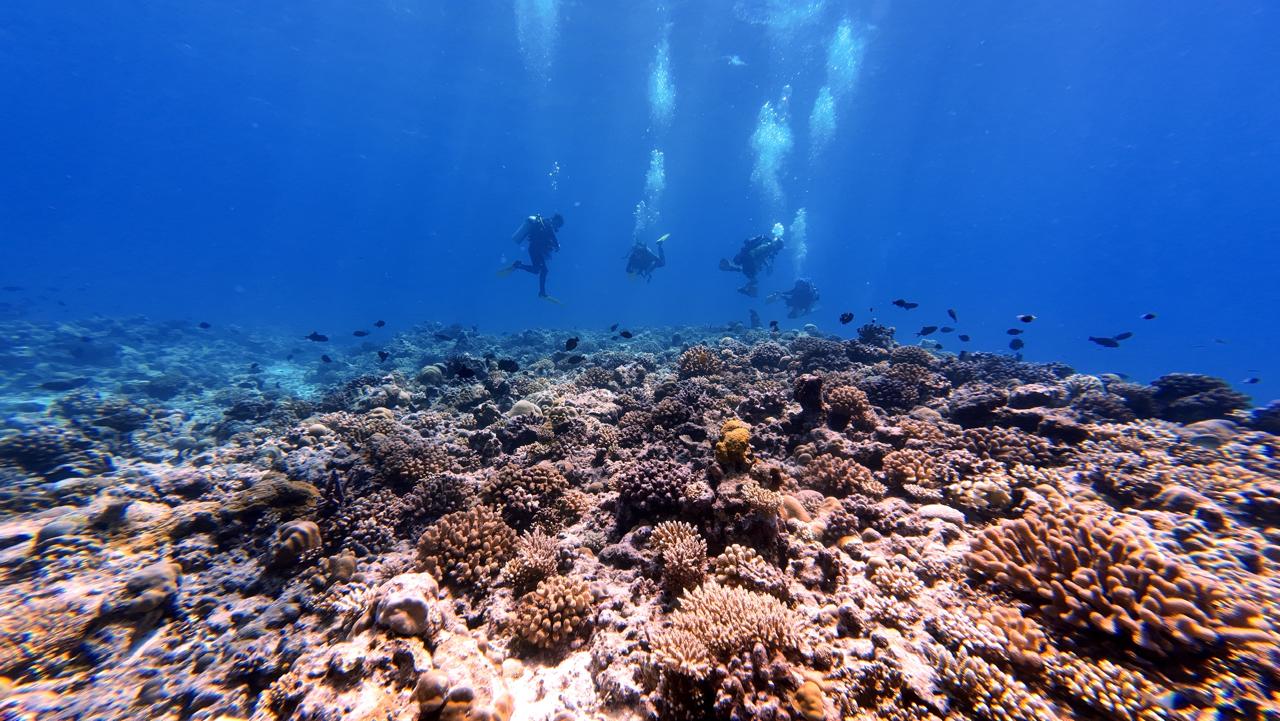
Biosphere Expeditions (Maldives) Conservation volunteers in the Maldives report that while reef checks are ongoing, the pressure from resort overdevelopment remains a critical local stressor. The blog notes the "relentless pace" of construction surrounding liveaboard sites, which complicates restoration efforts even as global warnings intensify.
Context & numbers
- 96%: The percentage of shallow-water coral reef ecosystems classified as "Critically Endangered" by the IUCN as of October 2026.
- 7 weeks: The timeframe for severely bleached corals to fully recover when in physical contact with healthy, genetically identical corals, according to new laboratory experiments.
- £50,000: The grant amount available per project under the Commonwealth Blue Charter Incubator Round II, which aims to protect marine sanctuaries and boost sustainable island tourism across 56 member states, including Seychelles and Maldives.
On the radar
- NOAA Bleaching Alert Levels: The NOAA Coral Reef Watch has expanded its alert system to include Levels 3-5, providing more granular data on extreme heat stress which is critical for monitoring Indian Ocean reef health in real-time.
- Seychelles Nature Bonds: The world’s first Nature Bonds project in Seychelles has reached its final step, potentially serving as a financial blueprint for marine conservation funding in other island nations.
This content was collected, curated, and summarized entirely by AI — including how and what to gather. It may contain inaccuracies. Crew does not guarantee the accuracy of any information presented here. Always verify facts on your own before acting on them. Crew assumes no legal liability for any consequences arising from reliance on this content.
Powered by
