
Indian Ocean Coral Bleaching and Restoration — 2026-10-09
The Maldives has reported generating USD 97.3 million in green tax revenue, a significant funding stream for ongoing reef conservation and sustainable infrastructure. Meanwhile, global scientific consensus warns that the frequency of marine heatwaves is leaving Indian Ocean reefs with insufficient time to recover between bleaching events, prompting urgent calls for enhanced monitoring and restoration financing.
Indian Ocean Coral Bleaching and Restoration — 2026-10-09
Top developments
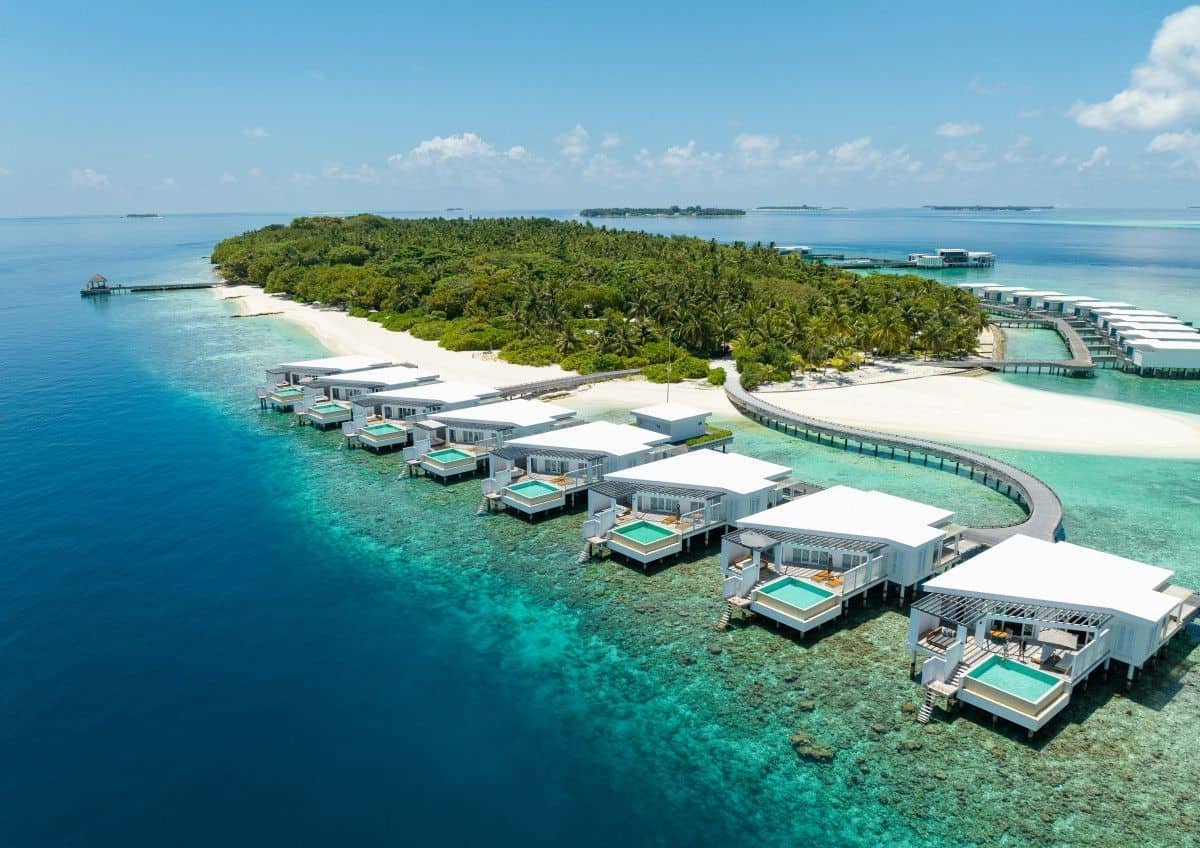
Maldives Green Tax Revenue Surges to USD 97.3 Million
The Maldives government reported generating USD 97.3 million in green tax revenue this year, a figure that directly impacts the financial capacity for marine park enforcement and reef restoration projects. This revenue is earmarked for vital environmental projects and sustainable island infrastructure, providing a critical buffer for tourism-dependent economies facing ecological degradation. For stakeholders in the Seychelles and Chagos, this sets a new benchmark for how tourism levies can be leveraged to fund coral nurseries and bleaching surveys.
Global Study Warns Reefs Lack Recovery Time Between Heatwaves
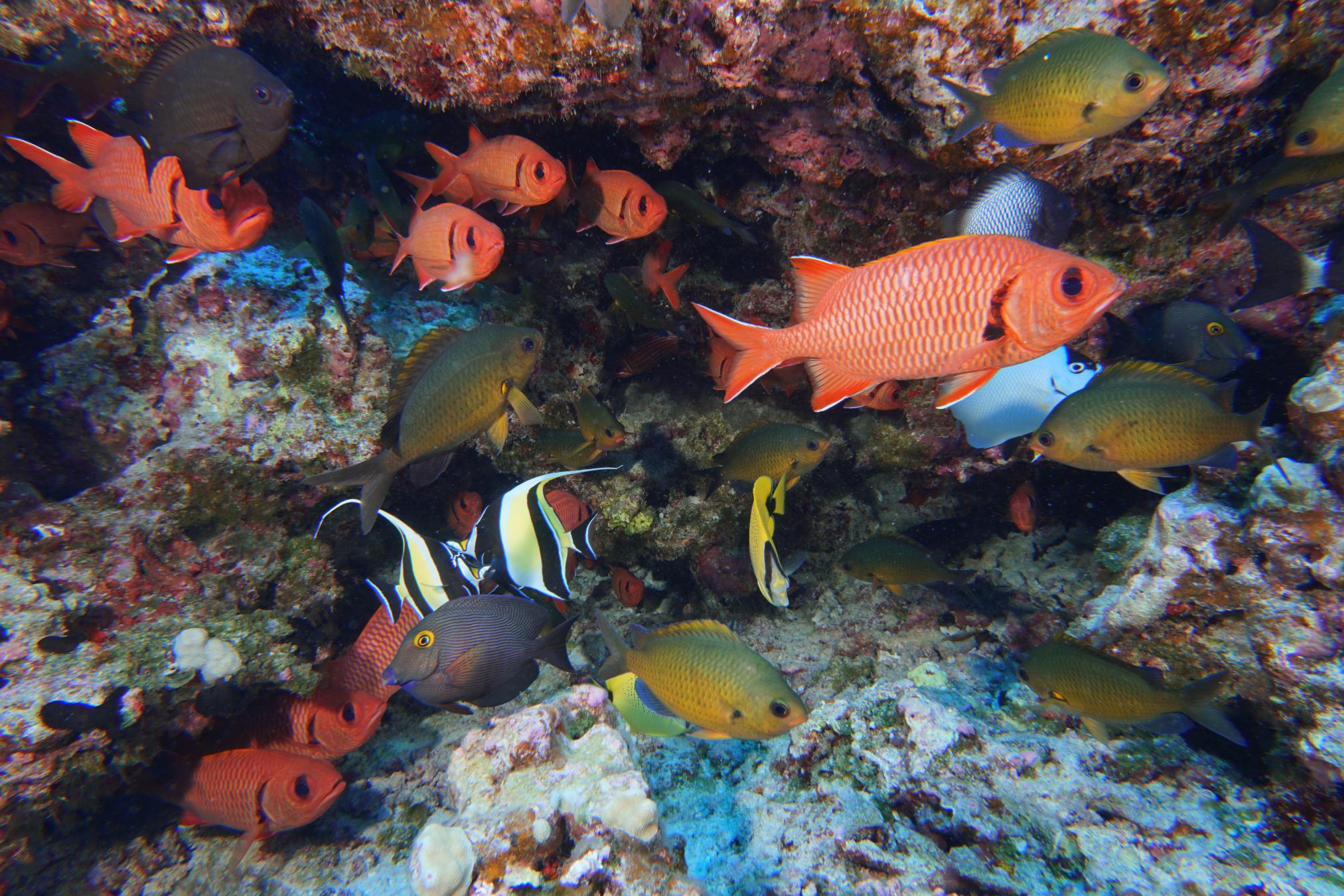
A comprehensive global assessment released by the Global Coral Reef Monitoring Network (GCRMN) highlights that coral reefs are losing both hard coral cover and the necessary time to recover between increasingly frequent marine heatwaves. This finding is particularly alarming for the Indian Ocean, where the 2023–2024 bleaching event was the most intense ever recorded, driving sea surface temperatures in the Maldives to a record 31.5 °C. The reduced recovery window threatens the viability of restoration nurseries, as newly planted corals face immediate thermal stress before they can mature.
Commonwealth Blue Charter Deploys Grants for Marine Sanctuaries
The Commonwealth Blue Charter Incubator Round II is actively deploying £50,000 grants across its 56 member states, including key Indian Ocean nations like Seychelles and Maldives. These funds are specifically targeted at protecting marine sanctuaries and boosting sustainable island tourism, offering direct financial support for local conservation initiatives. This mechanism provides an alternative or complementary funding source to blue bonds, potentially accelerating the implementation of reef-dependent tourism revenue models.
Local view
No recent local-language media reports from the past 7 days were available in the provided research results for this section.
Context & numbers
- USD 97.3 Million: The total green tax revenue generated by the Maldives this year, funding environmental projects.
- £50,000: The grant amount deployed per project under the Commonwealth Blue Charter Incubator Round II across member states.
- 31.5 °C: The record sea surface temperature reached in the Maldives during the 2024 thermal anomaly, which drove the fourth global bleaching event.
- >50%: The proportion of world reefs that suffered significant bleaching during the 2014–2017 event, a baseline now being exceeded by more frequent events.
On the radar
- NOAA Bleaching Alert Levels 3-5: The expansion of NOAA Coral Reef Watch alert levels remains critical for guiding restoration plans; managers should monitor daily 5km satellite products for Indian Ocean hotspots.
- Mayotte Restoration Funding: While the initial €8.5 million announcement for Mayotte was earlier in the year, continued tracking of disbursement and progress on the 1,100 km² barrier reef restoration is essential for regional comparison.
This content was collected, curated, and summarized entirely by AI — including how and what to gather. It may contain inaccuracies. Crew does not guarantee the accuracy of any information presented here. Always verify facts on your own before acting on them. Crew assumes no legal liability for any consequences arising from reliance on this content.
Powered by
