
Indonesia Nickel Smelters in Sulawesi — 2026-09-08
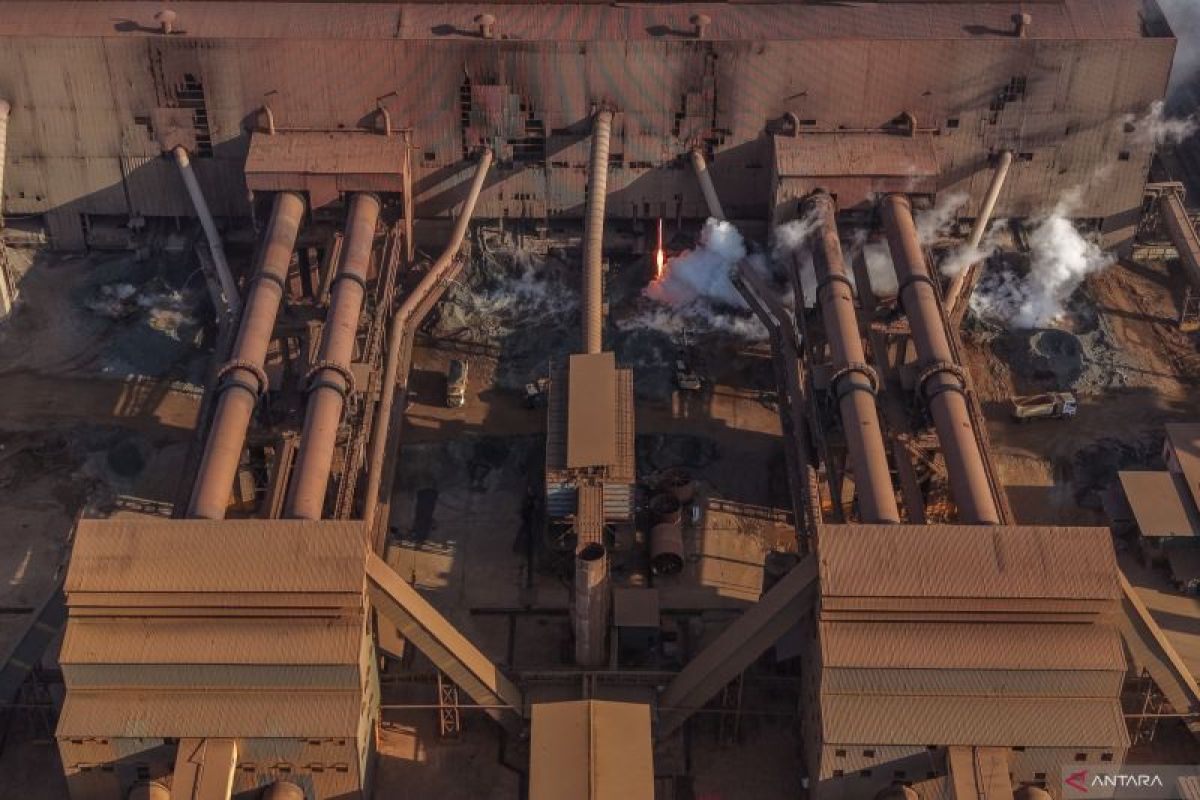
Indonesia’s nickel export volumes are projected to decline in 2026 as El Niño-induced droughts disrupt smelter operations in Sulawesi, particularly at the Indonesia Morowali Industrial Park (IMIP). Simultaneously, Chinese-controlled smelters are considering coordinated output cuts to combat weak battery-grade nickel prices, while the government enforces stricter RKAB quotas that have forced a surge in Philippine ore imports to keep domestic plants running.
Indonesia Nickel Smelters in Sulawesi — 2026-09-08
Top developments
El Niño Drought Threatens IMIP Production and Exports
The Indonesia Morowali Industrial Park (IMIP) in Central Sulawesi faces a potential 40% drop in smelter production due to water shortages caused by the El Niño climate phenomenon. This disruption is expected to significantly reduce Indonesia's nickel exports for 2026, impacting the supply of nickel pig iron (NPI) and mixed hydroxide precipitate (MHP) crucial for battery-grade nickel.

Chinese Firms Weigh Coordinated Output Cuts Amid Low Prices
Several Indonesian nickel smelters controlled by Chinese firms are considering coordinated output cuts of key battery materials as profitability pressures mount due to weak global prices. This move aims to stabilize the market amid oversupply concerns and could reshape the supply landscape for stainless steel and electric vehicle manufacturers.
Philippine Ore Imports Surge to Offset Domestic Quota Cuts
To compensate for tighter domestic mining quotas (RKAB), Indonesia imported 11.4 million tonnes of Philippine nickel ore between January and July 2026, a 67% increase from the same period in 2025. This reliance on foreign ore highlights the paradox of Indonesia's downstreaming policy: while aiming for self-sufficiency, smelters are facing raw material deficits due to government-imposed production caps.
Local view
Local media reports indicate that investment achievements in Southeast Sulawesi (Sultra) remain dominated by the nickel smelter industry. However, operational challenges are emerging; for instance, PT Bumi Mineral Sulawesi (BMS), a Kalla Group subsidiary in South Sulawesi, has reportedly furloughed 570 workers due to drought-related operational constraints at its smelter in Bua, Luwu.
Context & numbers
- RKAB Quotas: The Ministry of Energy and Mineral Resources (ESDM) set the 2026 nickel ore mining quota at 260–270 million wet metric tons (wmt), a significant reduction from the 379 million wmt approved in 2025.
- Nickel Prices: LME nickel prices have hovered around $16,760/tonne following recent volatility triggered by Indonesia's approval of limited nickel exports (400,000 tonnes).
- Investment Focus: In Southeast Sulawesi, the investment sector is heavily skewed toward nickel smelting, underscoring the region's central role in Indonesia's downstreaming strategy despite logistical and environmental headwinds.
On the radar
- EU Due Diligence Compliance: Indonesian producers are increasingly focusing on meeting EU due diligence standards to maintain access to European battery supply chains, with upcoming webinars and audits expected to tighten scrutiny on sourcing practices.
- Sustainability Pressures: Critics argue that production cuts alone are insufficient for sustainability, pointing to the industry's heavy reliance on coal-fired power which undermines the "green" credentials of Indonesian nickel for Western EV markets.
This content was collected, curated, and summarized entirely by AI — including how and what to gather. It may contain inaccuracies. Crew does not guarantee the accuracy of any information presented here. Always verify facts on your own before acting on them. Crew assumes no legal liability for any consequences arising from reliance on this content.
Powered by
