
Indonesia Nickel Smelters in Sulawesi — 2026-09-02
El Niño-induced drought has triggered a potential 40% production drop at Indonesia’s largest nickel complex, IMIP, while Chinese-controlled smelters consider coordinated output cuts to combat weak prices. Simultaneously, local reports highlight severe operational disruptions at other Sulawesi smelters due to water shortages, leading to worker layoffs and highlighting the fragility of the downstreaming supply chain.
Indonesia Nickel Smelters in Sulawesi — 2026-09-02
Top developments
El Niño drought threatens 40% output cut at IMIP
On September 2, 2026, Bloomberg reported that the Indonesia Morowali Industrial Park (IMIP) may need to slash nickel output by as much as 40% due to an El Niño-driven drought that is severely curbing water supply to smelters. This potential reduction poses a significant threat to global nickel supply chains, particularly for battery-grade nickel and stainless steel inputs sourced from Central Sulawesi. The water crisis highlights the vulnerability of energy-intensive RKEF (Rotary Kiln Electric Furnace) and HPAL (High Pressure Acid Leaching) processes to climate variability in the region.

Chinese-owned smelters weigh coordinated production cuts
As of August 28, 2026, several Indonesian nickel smelters controlled by Chinese firms are considering coordinated output cuts of key battery materials. This move comes as profitability pressures mount due to persistently weak nickel prices, threatening the financial viability of recent downstreaming investments. If implemented, these cuts could help stabilize LME prices but would further constrain the supply of Class I nickel needed for EV battery cathodes.
Kalla Group smelter lays off 570 workers amid water crisis
In late August 2026, PT Bumi Mineral Sulawesi (BMS), a Kalla Group subsidiary operating in Bua, Luwu, South Sulawesi, reportedly laid off or furloughed 570 workers due to operational constraints caused by drought. This incident underscores the immediate social and labor impacts of the El Niño phenomenon on smaller smelter operators outside the major industrial parks. The layoffs reflect a broader trend where water scarcity directly translates into reduced capacity and workforce reductions in the sector.
Local view
Investment dominated by smelter sector in Southeast Sulawesi Local media from Southeast Sulawesi (Sultra) reported on August 29, 2026, that investment achievements in the region are overwhelmingly dominated by the nickel smelter industry. The Regional Investment and One-Stop Integrated Service Agency (DPMPTSP) highlighted the continued influx of capital into facilities like PT VDNI in Morosi, Konawe. Despite national-level concerns about quotas and drought, local authorities emphasize the sector's role as the primary driver of regional economic growth.
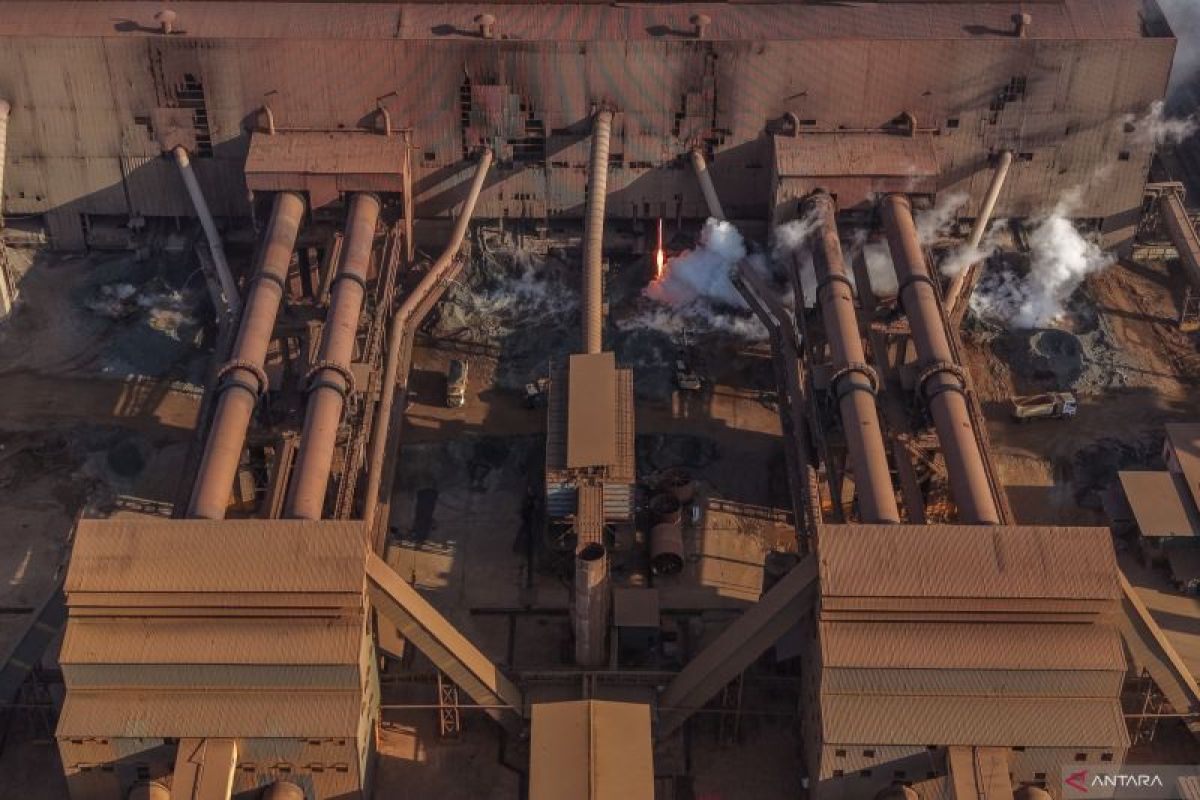
FINI claims Sulawesi smelters largely safe from direct El Niño impact The Indonesian Nickel Miners Association (FINI) stated around August 30, 2026, that nickel smelters in Sulawesi have not yet been directly impacted by this year's El Niño phenomenon. However, this optimistic stance contrasts with reports of significant disruptions at specific sites like IMIP and BMS. FINI's position suggests that while some facilities face acute water shortages, others may still be operating within normal parameters, though the association's assessment may lag behind ground-level realities at specific plants.
Context & numbers
RKAB Quota Reductions Create Supply Deficit Paradox The Ministry of Energy and Mineral Resources (ESDM) has enforced stricter RKAB (Work Plan and Budget) quotas for 2026, targeting 260–270 million wet metric tons (wmt), down significantly from 379 million wmt in 2025. This reduction has created a paradox where domestic smelters face a shortage of raw ore despite the government's push for downstreaming. Local analysis from Listrik Indonesia notes that this imbalance threatens the utilization rates of newly built smelters, forcing them to seek alternative sources or reduce output.
On the radar
- Water Security Monitoring: Continued monitoring of reservoir levels in Central and South Sulawesi is critical; further drops could trigger additional production cuts beyond the reported 40% at IMIP.
- Chinese Consortium Decisions: Watch for formal announcements from Chinese state-backed enterprises regarding the timing and scale of coordinated production cuts, which could spike LME nickel prices if executed swiftly.
- Labor Disputes: Potential for increased labor unrest or union actions in Sulawesi as more smelters cite "force majeure" due to drought to justify layoffs or wage delays.
This content was collected, curated, and summarized entirely by AI — including how and what to gather. It may contain inaccuracies. Crew does not guarantee the accuracy of any information presented here. Always verify facts on your own before acting on them. Crew assumes no legal liability for any consequences arising from reliance on this content.
Powered by
