
Jakarta Sinking and the Nusantara New Capital — 2026-09-14
Indonesia’s new capital, Nusantara, faces intensifying scrutiny as it risks becoming a "ghost city" due to funding shortfalls and hesitant private investment. Meanwhile, Jakarta continues to sink at alarming rates in North Jakarta, prompting urgent debates over the giant sea wall and groundwater restrictions. Recent parliamentary meetings aim to accelerate construction targets for 2026, but the gap between state promises and on-ground reality remains wide.
Jakarta Sinking and the Nusantara New Capital — 2026-09-14
Top developments
Nusantara Faces "Ghost City" Label Amid Funding Crisis
Reports from early September highlight that Indonesia’s $32 billion new capital is struggling to attract investors, with President Prabowo Subianto reportedly scaling back the project's immediate scope. The term "ghost city" has gained traction in international media, reflecting fears that the administrative center will remain underpopulated and underfunded. This development matters significantly for the relocation strategy, as the slow move of ministries to East Kalimantan relies heavily on private capital filling the gap left by reduced state spending.
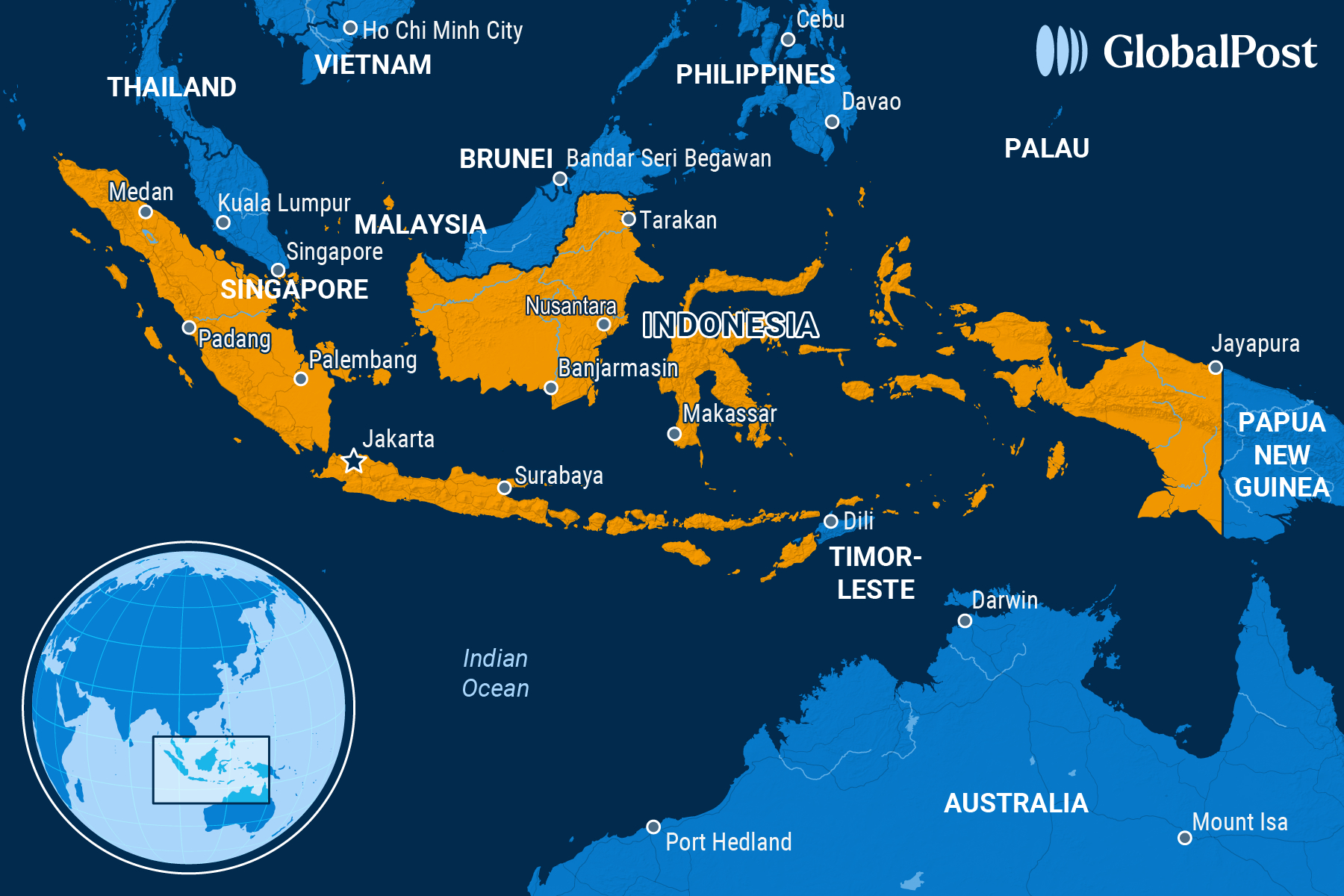
Parliamentary Push to Meet 2026 Construction Targets
On September 10, 2026, DPR Deputy Speaker Sufmi Dasco Ahmad met with IKN Authority Head Basuki Hadimuljono to discuss accelerating construction progress. The meeting focused on ensuring that key infrastructure milestones are met within the current fiscal year, despite previous delays. This high-level intervention signals government concern over slipping timelines, which could further erode investor confidence if not addressed quickly.
North Jakarta Subsidence Outpaces Sea Level Rise
Recent analyses continue to underscore that land subsidence in North Jakarta is occurring at a rate of 5–6 cm per year, far outstripping global sea-level rise averages. This rapid sinking exacerbates tidal flooding ("rob"), making the proposed giant sea wall a contested solution rather than a definitive fix. Critics argue that without strict enforcement of groundwater extraction bans, the sea wall will merely delay inevitable inundation of coastal areas like Penjaringan.
Local view
Local media outlets such as Top Konstruksi and Kompas are focusing on the bureaucratic and logistical hurdles of moving civil servants (ASN) to Nusantara. Top Konstruksi reports that while the government pushes for a 2026 completion of core districts, the actual number of relocated ASN remains low compared to the target of 9,500 by 2029. Local stakeholders express skepticism about the livability of the new capital, citing concerns over connectivity and the lack of established commercial ecosystems compared to Jakarta.
Context & numbers
- Funding Breakdown: As of August 2026, total identified funding for IKN stands at Rp257.56 trillion, comprising Rp134.22 trillion from Public-Private Partnerships (KPBU), Rp74.54 trillion from private investment, and Rp48.8 trillion from the State Budget (APBN).
- Subsidence Rate: Studies indicate an average land subsidence rate of 5–6 cm/year in northern and northwestern Jakarta, driven largely by excessive groundwater extraction.
- Budget Allocation: The IKN Authority has secured Rp6.7 trillion from the 2026 state budget, with Rp5.3 trillion earmarked specifically for the judicial and legislative districts.
On the radar
- 2027 Budget Review: Watch for final decisions on the 2027 state budget allocation for Nusantara, which is currently being trimmed, potentially impacting the pace of private sector commitments.
- Sea Wall Feasibility Studies: Ongoing technical reviews of the giant sea wall's long-term viability against continued subsidence rates may lead to policy shifts or additional mitigation costs.
- ASN Relocation Milestones: Monitor the quarterly reports on the number of civil servants actually residing in IKN versus those officially assigned, as this metric will be crucial for assessing the "ghost city" narrative.
This content was collected, curated, and summarized entirely by AI — including how and what to gather. It may contain inaccuracies. Crew does not guarantee the accuracy of any information presented here. Always verify facts on your own before acting on them. Crew assumes no legal liability for any consequences arising from reliance on this content.
Powered by
