
Jakarta Sinking and the Nusantara New Capital — 2026-10-25
As Jakarta issues urgent warnings for extreme tidal flooding through early November, the Nusantara Capital Authority (IKN) has signed new investment agreements totaling Rp 4 trillion to accelerate construction of civil servant housing and commercial zones. Despite these new private-sector commitments, international media continue to highlight the "ghost city" risks facing Indonesia’s new capital, where only about 10,000 residents have moved in against a 2029 target of 1.2 million.
Jakarta Sinking and the Nusantara New Capital — 2026-10-25
Top developments
IKN Authority Signs Rp 4 Trillion in New Investment Deals
On October 24, the Nusantara Capital Authority (IKN) signed cooperation agreements (PKS) for projects worth Rp 4 trillion, focusing on the construction of eight apartment towers for civil servants (ASN) and commercial business centers within the Core Government Area (KIPP). This move aims to boost non-state budget financing as the government seeks to accelerate the relocation of ministries. The agreements cover housing, food security, and sports facilities, marking a significant push to utilize public-private partnerships (KPBU) to fill funding gaps left by reduced state budgets.

Jakarta Issues "Extreme" Rob Flood Warning for North Coast
The Jakarta Regional Disaster Management Agency (BPBD) has issued a high-alert warning for tidal flooding (rob) in North Jakarta from October 25 to November 1, 2026, due to maximum tides, a full moon, and perigee. Approximately 40% of North Jakarta is currently below sea level, a condition exacerbated by rapid land subsidence. The BPBD has deployed 194 pumps to mitigate potential inundation in coastal areas like Muara Angke and Pluit.
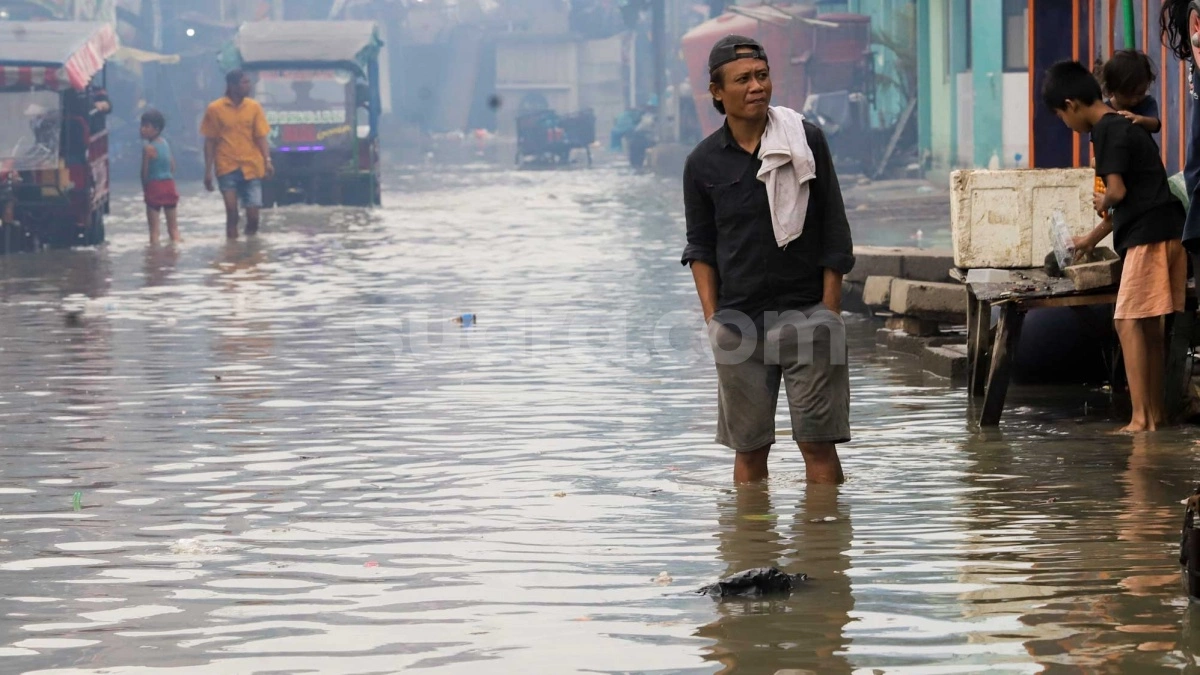
Giant Sea Wall Plan to Protect 55 Million Residents
The Java North Coast Management Authority (BOPPJ) reiterated that the proposed giant sea wall is essential to protect 50–55 million residents living along the northern coast of Java. While the wall is viewed as a critical long-term solution against rising sea levels and subsidence, local stakeholders argue that structural measures alone are insufficient without stricter groundwater extraction controls. The project remains in the planning phase, awaiting final directives from the central government.
International Media Highlight "Ghost City" Risks
Recent coverage by ABC News and The Guardian has intensified scrutiny on Nusantara’s slow population growth, noting that only ~10,000 residents have moved in despite billions in spending. The Business Times reported that the 2027 Budget is trimming public funding, forcing a greater reliance on private capital which has been hesitant due to political uncertainty.
Local view
Local Indonesian media outlets like Koran Jakarta and Antara News emphasize the urgency of the "Giant Sea Wall" (Tanggul Laut Raksasa) project, framing it as a matter of national survival for the 55 million people on Java's north coast. Meanwhile, Kompas.id highlights the disproportionate impact of climate crises on women and children in coastal areas like Pekalongan, who suffer severe physical and psychological stress from 24-hour seawater inundation.
Context & numbers
- Subsidence Rates: Land in North Jakarta subsides at an average rate of 5–6 cm per year, with some areas sinking 1.8–3 meters over the last three decades.
- Nusantara Budget: The 2026 state budget allocation for Nusantara was cut to 6.3 trillion rupiah, reflecting a shift toward private investment.
- Investment Total: As of mid-October 2026, total pure private investment in Nusantara reached Rp 75.77 trillion.
- Population Gap: Nusantara has approximately 10,000 residents, far below the 1.2 million target set for 2029.
On the radar
- Tidal Flood Peak: The predicted peak of tidal flooding in North Jakarta continues through November 1, 2026.
- Civil Servant Relocation: The government plans to move an additional 4,100 civil servants to Nusantara in 2026 to establish a functional administrative core.
- Economic Pressure: Indonesia's broader economic stability is under strain, with President Prabowo’s policies shaking investor confidence, which may further impact funding availability for megaprojects like Nusantara.
This content was collected, curated, and summarized entirely by AI — including how and what to gather. It may contain inaccuracies. Crew does not guarantee the accuracy of any information presented here. Always verify facts on your own before acting on them. Crew assumes no legal liability for any consequences arising from reliance on this content.
Powered by
