
Jakarta Sinking and the Nusantara New Capital — 2026-09-08
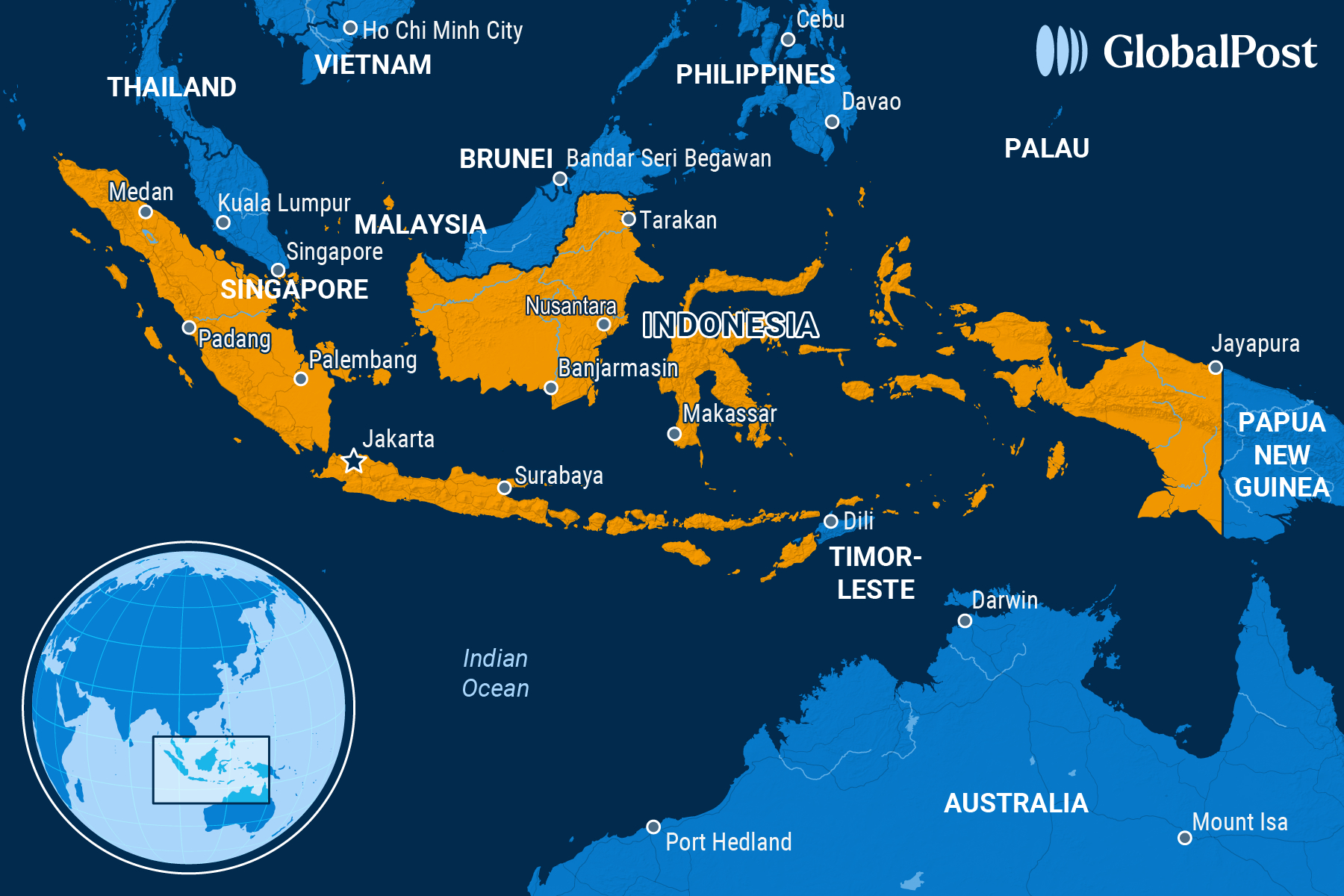
As the dry season intensifies, wildfires have broken out near Indonesia’s future capital, Nusantara, forcing emergency water-bombing operations. Meanwhile, international media is amplifying concerns that the $32 billion city is becoming a "ghost town" due to funding shortfalls and hesitant private investment, even as local authorities debate the viability of the Giant Sea Wall to save sinking North Jakarta.
Jakarta Sinking and the Nusantara New Capital — 2026-09-08
Top developments
Wildfires threaten Nusantara construction site
On September 5, 2026, Indonesian authorities conducted water-bombing operations to contain wildfires spreading near the Nusantara capital site in East Kalimantan. Approximately 400 hectares have burned, including 300 hectares within the Bukit Suharto forest park, posing immediate risks to ongoing infrastructure projects and environmental integrity in the region.

"Ghost City" narrative gains traction as investors hesitate
GlobalPost reported on September 4 that Nusantara faces a critical funding test, with President Prabowo Subianto scaling back public spending and private investors demanding "implementation certainty." The project, initially touted at $32 billion, is struggling to attract sufficient private capital, leading critics to label the partially built administrative center a potential "ghost city" due to low occupancy and stalled commercial development.
Private capital role expands as state budget shrinks
The Business Times highlighted on August 18 (with continued relevance in early September discussions) that the 2027 Budget will trim public funding for Nusantara, forcing a greater reliance on private capital. This shift comes as the Otorita IKN (IKN Authority) reports that of the Rp257.56 trillion total funding identified by August 2026, only 19% is from the state budget (APBN), while 29% is attributed to private investment and Public-Private Partnerships (KPBU).
Jakarta's subsidence outpaces sea-level rise
New analyses cited by local media in early September emphasize that North Jakarta is sinking at a rate of 5–6 cm per year, significantly faster than the 1–15 cm annual rise in sea levels. This disparity underscores why the proposed Giant Sea Wall alone may be insufficient without strict enforcement of groundwater extraction bans, which remain a contested policy area.

Local view
Local outlet JKTSuara reported on September 4 that the Jakarta Provincial Government (Pemprov DKI) is still waiting for central government directives regarding the implementation of the Giant Sea Wall. The article notes that while the wall is seen as a long-term solution for tidal flooding (rob) and subsidence, local stakeholders are concerned about the lack of clear timelines and integration with groundwater management policies.
Context & numbers
- Total Funding Identified: Rp257.56 trillion (approx. US$16.5 billion) as of August 2026.
- Funding Breakdown: Rp134.22 trillion from KPBU (Public-Private Partnerships), Rp74.54 trillion from private investment, and Rp48.8 trillion from the State Budget (APBN).
- Subsidence Rate: 5–6 cm/year in northern/northwestern Jakarta.
- Civil Servant Target: The Otorita IKN has identified 16 ministries whose ASN (civil servants) are prioritized for relocation to support the new capital's operations.
On the radar
- Fire Season Peak: With September marking the peak of the dry season in Kalimantan, continued monitoring of fire hotspots around the Nusantara perimeter is critical for asset protection.
- 2027 Budget Draft: Watch for the formal submission of the 2027 State Budget in October, which will clarify the exact reduction in APBN allocation for IKN development.
- Giant Sea Wall Tender: Any official announcement regarding the tender or consortium selection for the Jakarta Giant Sea Wall remains a high-stakes signal for North Jakarta's future.
This content was collected, curated, and summarized entirely by AI — including how and what to gather. It may contain inaccuracies. Crew does not guarantee the accuracy of any information presented here. Always verify facts on your own before acting on them. Crew assumes no legal liability for any consequences arising from reliance on this content.
Powered by
