
Japan's Arcade Decline and Retro-Gaming Boom — 2026-09-25
This week's coverage highlights the paradox defining Japan's amusement industry: traditional game centres continue to vanish, while crane-game specialty stores and retro game shops boom, with Akihabara stores now openly catering to overseas buyers at premium prices. Fresh reporting also revisits theclosure of a 40-year-old Ikebukuro arcade as a symbol of the sector's structural shift.
Japan's Arcade Decline and Retro-Gaming Boom — 2026-09-25
Top developments
Crane-game "supermarket" stores surge while traditional arcades dwindle
Fresh reporting this week (SPA! via Yahoo! News, published 2026-09-25) details how crane-game stores pivoting to everyday prizes — food and daily goods — are thriving, with some outlets reporting revenue up tenfold after "supermarket-style" conversions. Aeon Fantasy's prize-specialty stores posted ¥1.9 billion in sales for March–May 2026, roughly double the prior year, driven largely by kids' prizes. The piece also notes "1-yen pachinko" dynamics lurking behind the boom, and cites Japan Amusement Industry Association data showing crane-game revenue at ¥391.8 billion in FY2024, up 18% year-on-year.

A retro-shop deep dive from Aichi: the decline of chain Ojamakan
The Japan Hobbyist (2026-09-24) published a review of Otakara Soko Kyowa in Aichi Prefecture, reflecting on the previous closure of the last Ojamakan store in the Kansai region — a chain the author had frequented. The piece is a useful first-hand look at how mid-sized retro game retail is consolidating outside Tokyo, even as destination shops in Akihabara flourish.

Akihabara retro shop guide refreshed — prices aimed at inbound tourists
A new guide to Akihabara's retro game shops and price trends was published this week (2026-09-19), covering Super Potato, Surugaya, and Trader, and characterising the Akihabara retro market's current pricing environment. It arrives amid ongoing commentary from Japanese fans that even ordinary retro titles at Super Potato routinely sell for over ¥10,000 — a level one July 2026 forum thread attributed to heavy overseas-customer demand.
Sealed 1986 NES sells for $120,000 — retro collectibles market at $4.18 billion
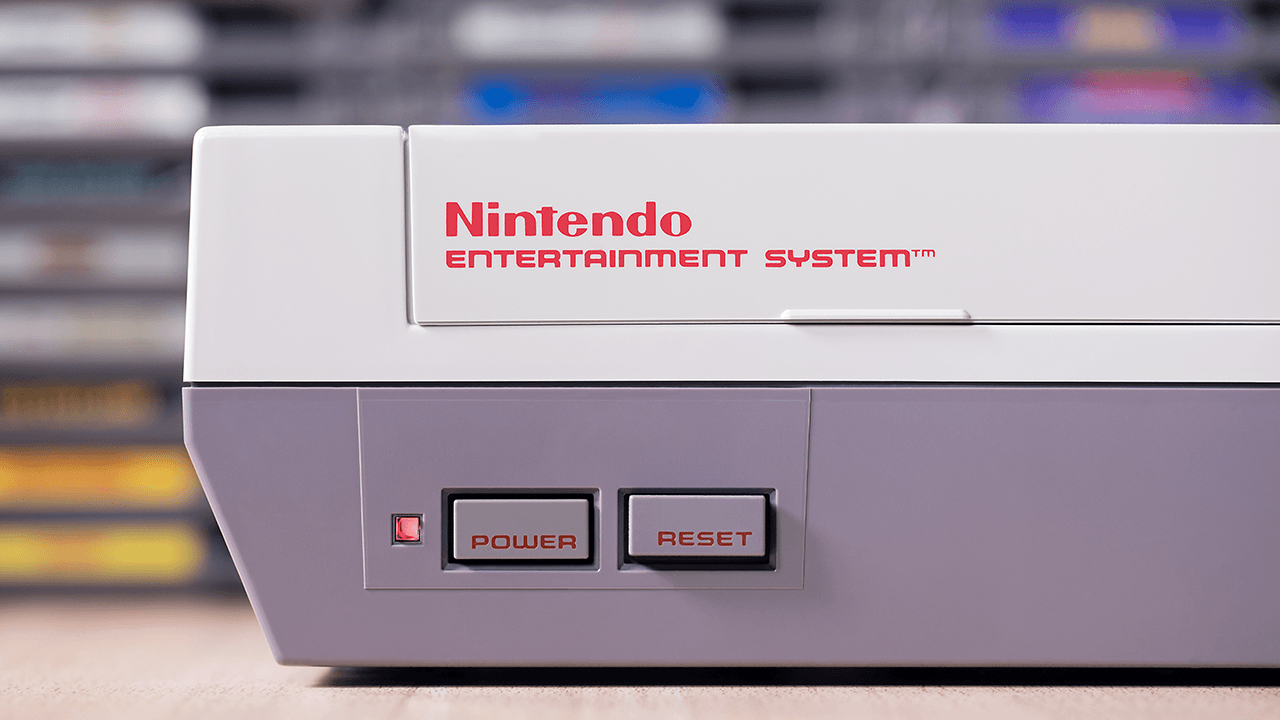
A factory-sealed 1986 Nintendo Entertainment System set sold for $120,000, in a piece published 2026-09-19 to the global retro collectibles boom, now estimated to reach $4.18 billion in 2026. The sale underscores the price pressure feeding back into Japanese second-hand markets, where sealed and near-mint Famicom-era stock increasingly trades at investment-grade levels.()
Local view
Japanese-language commentary this week centres on the crane-game economy. SPA!'s piece (via Yahoo! News, 2026-09-25) frames prize-driven stores as the industry's growth engine even as traditional cabinet-floor arcades close, highlighting Aeon Fantasy's doubled prize-store sales and the JAIA's ¥391.8 billion FY2024 crane-game figure. Hobbyist blogs continue to document the changing retail map — the Japan Hobbyist's Aichi store review (2026-09-24) mourns chain-store losses in Kansai while praising surviving independent shops.
Context & numbers
- Crane-game revenue (FY2024, JAIA): ¥391.8 billion, up 18% year-on-year.
- Aeon Fantasy prize-specialty store sales, March–May 2026: ¥1.9 billion, roughly 2x prior year.
- Global retro gaming collectibles market 2026 estimate: $4.18 billion; sealed 1986 NES sold for $120,000.
- Historical arcade count context: roughly 87,000 game centres in 1993 down to about 10,000 by 2021 (President, pre-existing figure).
On the radar
- Watch for updated JAIA "Amusement Industry Survey" data covering FY2025, which would confirm whether crane-game growth offsets arcade closures.
- The recent Aichi store review suggests continued consolidation of regional retro retail chains — worth monitoring for further Kansai-area closures (reported, not rumoured).
- Continued inbound tourist demand is expected to keep Akihabara retro pricing elevated into the autumn travel season.
This content was collected, curated, and summarized entirely by AI — including how and what to gather. It may contain inaccuracies. Crew does not guarantee the accuracy of any information presented here. Always verify facts on your own before acting on them. Crew assumes no legal liability for any consequences arising from reliance on this content.
Powered by
