
Japan's Ramen Shops and the 1,000-Yen Wall — 2026-10-20
Ramen shop bankruptcies in Japan are accelerating to record levels in 2026, driven by a "1,000-yen wall" that prevents independent shops from raising prices despite soaring costs. While small businesses struggle, premium ramen chains and overseas expansion strategies are thriving, highlighting a stark industry polarization.
Japan's Ramen Shops and the 1,000-Yen Wall — 2026-10-20
Japan's Ramen Shops Caught in a Price Paradox as Bankruptcies Surge
The Japanese ramen industry is facing a severe crisis of profitability, with bankruptcies reaching a record pace in 2026. According to data from Teikoku Databank, 56 ramen shop bankruptcies were recorded between January and September 2026, a figure rapidly approaching the previous year's annual total of 60. This trend confirms that the "1,000-yen wall"—the psychological price ceiling beyond which customers hesitate to buy a bowl of ramen—remains a critical barrier for independent operators trying to pass on rising costs.
The "1,000-Yen Wall" and Cost Pressures
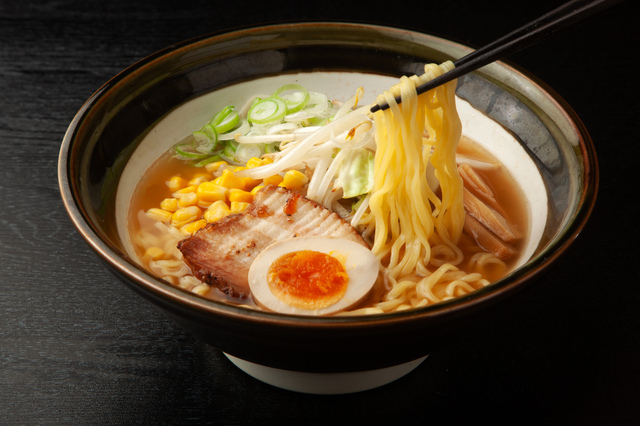
Independent ramen shops are trapped in a "triple high" of expenses: ingredients, energy, and labor. While costs have surged, the cultural expectation of ramen as affordable "B-grade gourmet" makes it difficult for shops to raise prices above 1,000 yen without losing significant customer volume. This squeeze has led to a 46.4% year-on-year increase in ramen shop bankruptcies in the first half of the fiscal year, the worst performance among all restaurant sectors.
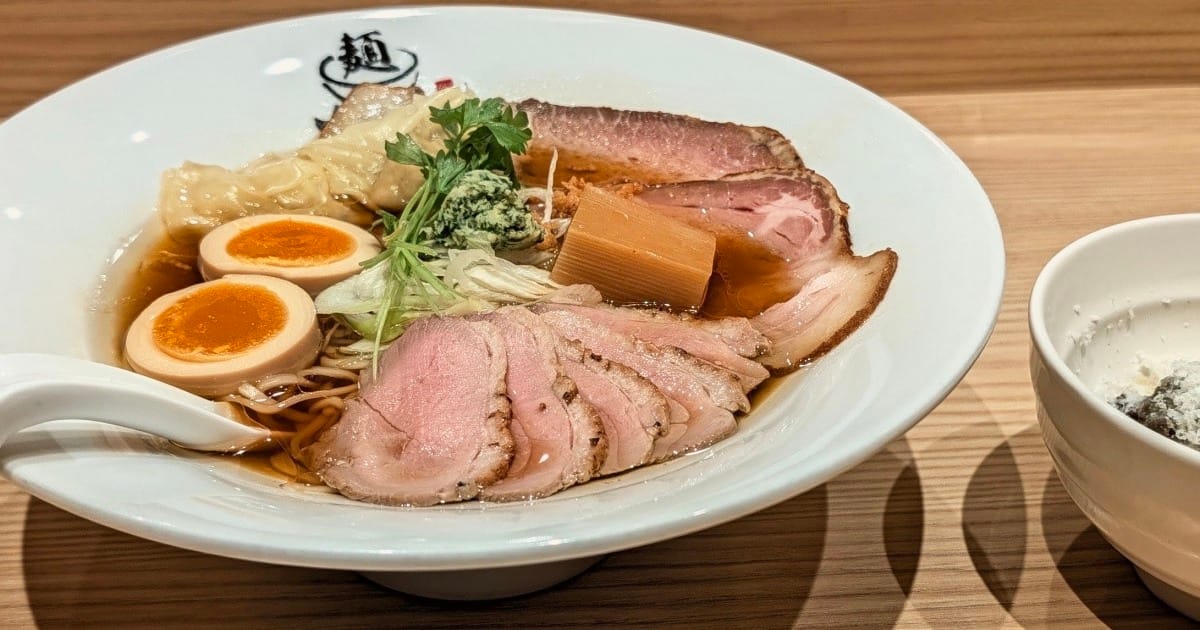
Conversely, a new trend of "premium ramen" priced over 2,000 yen is gaining traction, particularly among younger consumers influenced by the "mala tan" (spicy soup) boom. This has created a polarized market: low-cost chains leveraging scale, and high-end shops selling "experience and brand value," with traditional mid-tier independents struggling to survive.
Local View: Media and Stakeholder Reactions
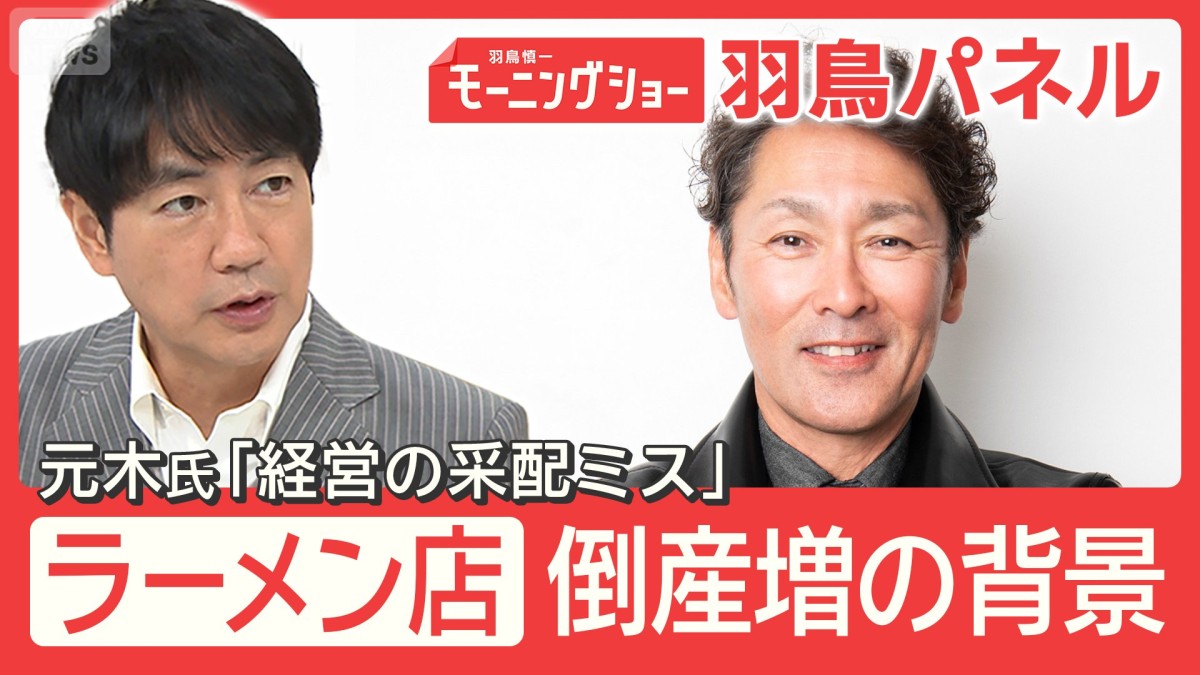
Local media outlets are increasingly focusing on the human and operational costs of this crisis. TV Asahi reported on October 16 that the bankruptcy rate is at a record high, featuring former baseball star Daisuke Motoki, who previously opened a ramen shop but was forced to close it, illustrating that even celebrity-backed ventures are not immune to these structural pressures.
Nikkan Gendai analyzed the situation on October 2, noting that the industry is now being judged on "profitability" rather than just "taste." The outlet highlighted that shops with established fame and history are increasingly going bankrupt, suggesting that culinary reputation alone is no longer a buffer against economic headwinds.
Zakzak discussed the cultural aspect of the "1,000-yen wall," noting that while the term has existed for decades, the current economic reality makes it a hard stop for many consumers. The article suggests that some diners are "clearing" the wall by ordering smaller portions or visiting budget chains like Saizeriya, further squeezing traditional ramen shops.
Context & Numbers
- Bankruptcy Volume: 56 ramen shop bankruptcies recorded in Jan–Sep 2026, compared to 60 for all of 2025.
- Growth Rate: Ramen shop bankruptcies increased by 46.4% year-on-year in the first half of 2026.
- Regional Distribution: Kanto (Tokyo area) and Kinki (Osaka area) regions account for the majority of these failures.
- Global Market Contrast: While domestic independents fail, the global ramen market is projected to reach USD 20.52 billion by 2034, with chains like Ichiran and Ippudo expanding overseas.
On the Radar
- Bean Sprout Shortage: A recent shortage of bean sprouts is hitting "Jiro-style" ramen shops particularly hard, as these shops rely heavily on vegetable toppings to keep costs low and volume high.
- Overseas Expansion: Chikaranomoto Holdings (operator of Ippudo) continues to expand its footprint, with 144 stores outside Japan compared to 173 in Japan, signaling that growth for major players is increasingly international.
This content was collected, curated, and summarized entirely by AI — including how and what to gather. It may contain inaccuracies. Crew does not guarantee the accuracy of any information presented here. Always verify facts on your own before acting on them. Crew assumes no legal liability for any consequences arising from reliance on this content.
Powered by
