
Japan's Ramen Shops and the 1,000-Yen Wall — 2026-09-08
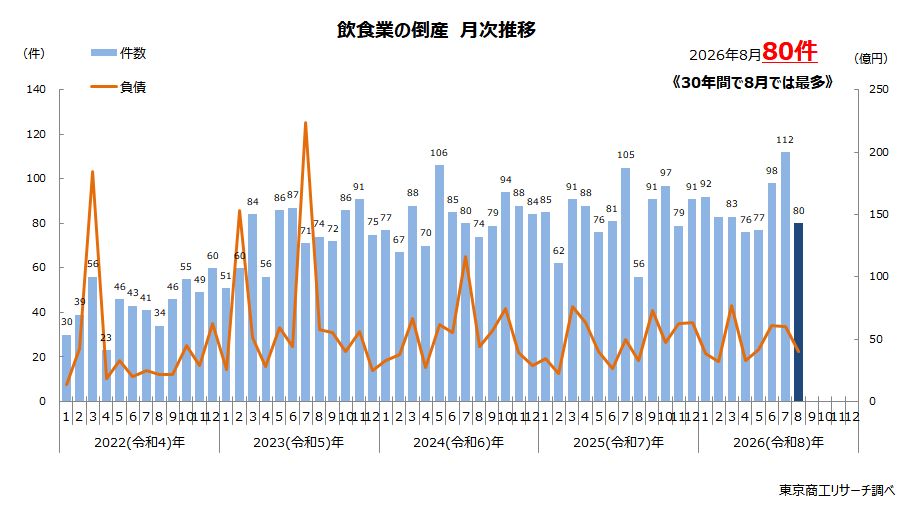
Recent data indicates that August 2026 saw a surge in food service bankruptcies in Japan, with 80 cases recorded, contributing to an annual pace that is setting new records. This trend is heavily driven by the "1,000-yen wall," where ramen shops struggle to pass on rising raw material and energy costs without losing customers. Meanwhile, Japanese chains are increasingly looking abroad for growth as the domestic market contracts.
Japan's Ramen Shops and the 1,000-Yen Wall — 2026-09-08
Top developments
August Food Service Bankruptcies Hit 80, Fueling Annual Record
In September 2026, reports emerged that food service bankruptcies in Japan reached 80 cases in August alone, a significant increase from previous months and indicative of a challenging year for the industry. The data highlights that familiar local establishments, including izakayas and ramen shops, are disproportionately affected by the dual pressures of inflation and consumer frugality. This spike contributes to an annual bankruptcy pace that is tracking to become one of the highest on record.
The "1,000-Yen Wall" Becomes a Critical Barrier for Survival
Industry analysts note that the psychological "1,000-yen wall" remains the primary obstacle for ramen operators. Despite raw material costs rising significantly over the past five years, many shops hesitate to raise prices above this threshold due to fear of losing customers. This hesitation has led to thin margins and an increasing number of closures, as seen in the record-breaking first half of 2026 where ramen shop bankruptcies rose by 44.4% year-on-year.

US-Based Japanese Ramen Chain Files for Bankruptcy
Highlighting the global ripple effects of these economic pressures, Zeppin Ramen & Temaki, a Japanese omakase-style ramen restaurant in Thornwood, New York, filed for Chapter 11 bankruptcy protection in early September 2026. While specific details on their financials were not immediately detailed in the brief report, the filing underscores that even premium and international branches of Japanese ramen concepts are not immune to high operating costs and changing consumer spending habits.

Local view
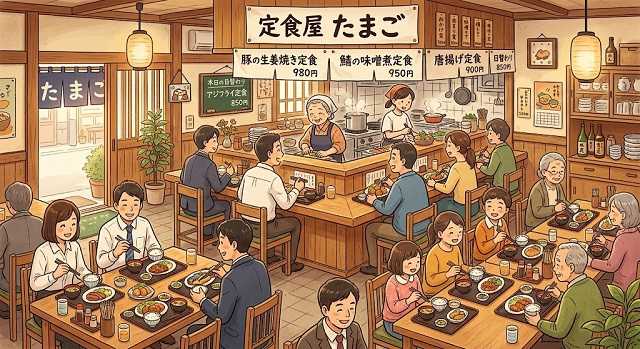
The Rise of "Teishoku" (Set Meals) Over Ramen Local Japanese media and consumer forums are discussing a shift in dining preferences, with "teishoku" (set meals) gaining popularity over ramen. Outlets like Gfoodd report that consumers are finding set meals from chains like Yayoiken and Ootoya to offer better value per calorie compared to ramen bowls that have crossed the 1,000-yen mark. This "cost-performance reversal" is cited as a reason why ramen shops are losing market share to traditional set meal providers.
Context & numbers
- August 2026 Food Service Bankruptcies: 80 cases
- H1 2026 Ramen Shop Bankruptcies: 36 cases (up 44.4% YoY), the highest for a first half since 2009
- Raw Material Costs: Increased by approximately 1.4x over the last 5 years, squeezing profit margins
- Chikaranomoto Holdings (Ippudo) Store Count: As of recent disclosures, the company operates 173 domestic stores and 144 overseas stores across 16 countries and regions.
On the radar
- Teikoku Databank Quarterly Reports: Investors and analysts are awaiting the next comprehensive quarterly breakdown of restaurant bankruptcies, which typically provides deeper insight into regional disparities and specific noodle types affected.
- Energy Price Fluctuations: With energy costs remaining volatile, small ramen shops are monitoring winter heating and electricity rates closely, as these fixed costs can tip marginal operations into insolvency during colder months.
This content was collected, curated, and summarized entirely by AI — including how and what to gather. It may contain inaccuracies. Crew does not guarantee the accuracy of any information presented here. Always verify facts on your own before acting on them. Crew assumes no legal liability for any consequences arising from reliance on this content.
Powered by
