
Japan's Ramen Shops and the 1,000-Yen Wall — 2026-10-06
Teikoku Databank’s latest report reveals that ramen shop bankruptcies in Japan have accelerated sharply, with 56 cases recorded in the first nine months of 2026, nearing the previous year's full-year total. The surge is driven by a "tripolarization" of the market, where mid-tier shops stuck at the psychological ¥1,000 price wall are being squeezed out by low-cost chains and high-end experiential brands. Meanwhile, major chains like Chikaranomoto Holdings continue to expand overseas, leveraging international growth to offset domestic stagnation.
Japan's Ramen Shops and the 1,000-Yen Wall — 2026-10-06
Top developments
Ramen Shop Bankruptcies Reach Record Pace in First Three Quarters
Teikoku Databank reported on October 1, 2026, that 56 ramen shop operators filed for bankruptcy (with liabilities over ¥10 million) between January and September 2026. This figure already approaches the full-year total of 60 cases recorded in 2025, indicating a reversal from the previous year's decline and signaling a return to record-high failure rates. The data highlights a critical vulnerability among established businesses, with 64.3% of the failed shops having operated for more than a decade, suggesting that longevity no longer guarantees survival in the current economic climate.
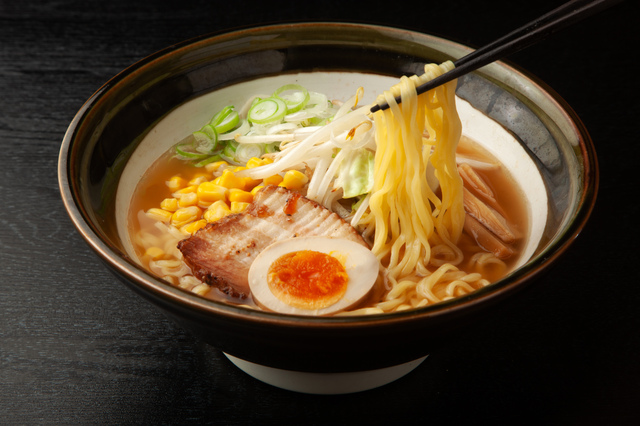
The "Tripolarization" of the Ramen Market
Industry analysts are describing the current landscape as "tripolarized," where the market is splitting into distinct tiers: low-cost chains utilizing scale to keep prices down, and high-end shops charging over ¥1,500 by offering unique experiences or brand value. Shops caught in the middle, attempting to maintain quality while adhering to the psychological "¥1,000 wall," are finding it increasingly impossible to cover rising costs for ingredients like wheat and energy, leading to margin compression and eventual closure. This structural shift explains why well-known, reputable shops are suddenly disappearing despite having loyal customer bases, as their traditional pricing models are no longer sustainable.

Labor Shortages Drive Up Costs for Small Operators
While ingredient costs remain high, labor shortages are becoming an equally critical factor in restaurant failures. Tokyo Shoko Research noted on October 6, 2026, that bankruptcies due to labor shortages hit a record high for the fourth consecutive year, with 240 cases recorded between April and September 2026. More than half of these were attributed directly to soaring labor costs, which place immense pressure on small-to-medium enterprises like independent ramen shops that lack the automation or scale of larger chains.
Local view
Local Japanese media outlets are focusing heavily on the plight of "legacy" shops—those with regional fame but limited capital reserves. Nikkan Gendai reports that even shops with strong reputations and long histories are collapsing because they cannot pass cost increases onto customers without losing their core demographic. The article suggests that the definition of value has shifted from just "taste" to "profitability and sustainability," forcing owners to make difficult decisions about raising prices above the ¥1,000 threshold, a move many fear will alienate regulars.
Expert commentary on Yahoo! News Japan highlights that the "middle class" of ramen shops is vanishing. Analysts note that consumers are becoming more bifurcated: they either seek the cheapest possible option or are willing to pay a premium for a "craft" experience. Shops stuck in the ¥800–¥1,200 range are losing both ends of the spectrum, unable to compete with chain efficiency or justify premium pricing without significant brand differentiation.
Context & numbers
- Bankruptcy Count: 56 ramen shop bankruptcies in Jan–Sep 2026 vs. 60 in all of 2025.
- Age of Failed Shops: 64.3% of bankrupt operators had been in business for over 10 years.
- Labor Cost Pressure: 240 labor-shortage-related bankruptcies in Apr–Sep 2026, a record high.
- Overseas Expansion: Chikaranomoto Holdings (operator of Ippudo) continues to operate approximately 144 stores in 16 countries and regions, contrasting with the domestic contraction of independent shops.
On the radar
- Winter Menu Pricing: Watch for Q4 menu changes as shops attempt to introduce seasonal items to test higher price points before the new fiscal year.
- Energy Subsidies: Any government extensions to energy subsidies could provide temporary relief, but structural costs remain high.
- Chain Consolidation: Expect further acquisitions of struggling local brands by larger holding companies seeking to absorb their real estate and loyal customer bases.
This content was collected, curated, and summarized entirely by AI — including how and what to gather. It may contain inaccuracies. Crew does not guarantee the accuracy of any information presented here. Always verify facts on your own before acting on them. Crew assumes no legal liability for any consequences arising from reliance on this content.
Powered by
