
Japanese Rural Depopulation and Municipal Mergers — 2026-10-11
A new expert projection warns that 30% of Japan's inhabited locations could become uninhabited by 2070, prompting calls for "strategic shrinkage" in local governance. Meanwhile, the collapse of public transport networks continues, with a replacement bus service in western Japan facing withdrawal just nine years after replacing a discontinued JR railway line.
Japanese Rural Depopulation and Municipal Mergers — 2026-10-11
Top developments
Experts urge "strategic shrinkage" as 30% of locations face uninhabitation by 2070
On October 11, 2026, experts appeared on ABEMA Prime to discuss the severe decline of rural municipalities, projecting that 30% of inhabited locations will be uninhabited by 2070. The discussion highlighted that tax revenue declines and infrastructure maintenance costs are becoming unsustainable for many local governments. Consequently, specialists are recommending "strategic shrinkage," a policy shift where municipalities deliberately reduce infrastructure in unviable areas to concentrate resources on surviving communities.
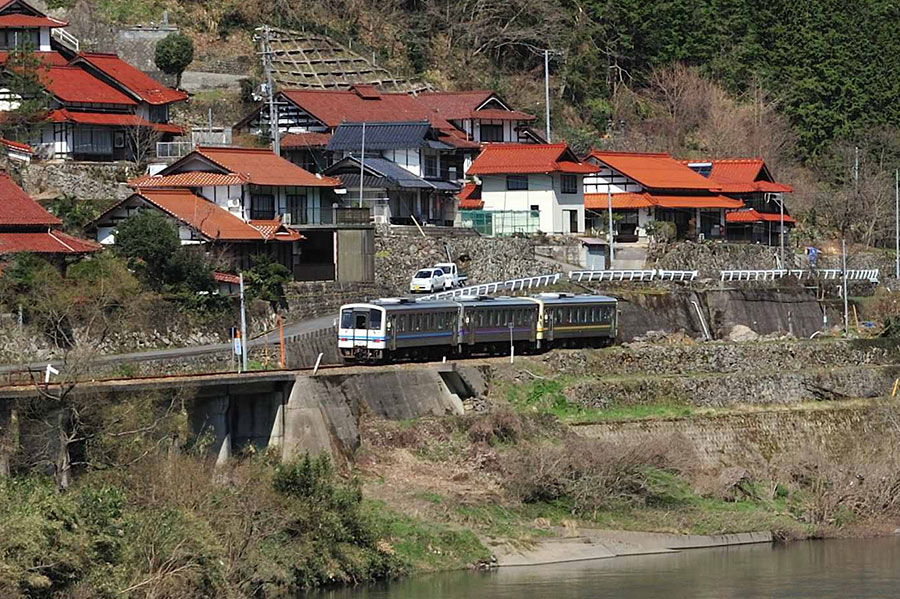
Replacement bus service in Shimane faces "second cancellation" after 9 years
In a stark illustration of transport network collapse, a replacement bus service along the Gono River (Miyoshi, Hiroshima to Gotsu, Shimane) is facing withdrawal after only nine years of operation. This bus originally replaced the JR West Geiba Line, which was converted to a third-sector railway and then fully abandoned. The rapid decline in ridership has led to a "second cancellation" scenario, where the alternative bus service is also deemed financially unviable, leaving residents with virtually no public transit options.
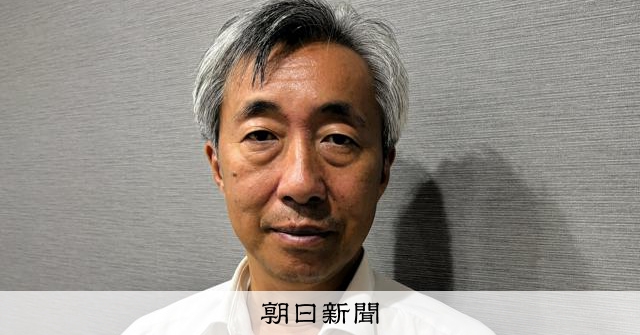
Public transport cuts continue despite high usage in some areas
Asahi Shimbun reported on October 8, 2026, that local public transport networks are shrinking even on routes with significant user numbers. Professor Hiroyasu Kato of Nagoya University noted that reductions and cancellations are occurring regardless of demand, driven by structural financial deficits in regional transit operators. This trend exacerbates "transport deserts" in rural prefectures, making daily life increasingly difficult for elderly residents who rely on these services for medical and grocery access.
Local view
Local media and stakeholders are expressing deep skepticism about the feasibility of current municipal survival strategies. The Traffic News outlet highlights the despair among residents of former railway lines who now face the loss of their last remaining public transport option. Meanwhile, discussions on platforms like Watch2chan reflect public anxiety over the "vanishing village" phenomenon, with users noting that areas unable to generate economic value are effectively being written off by national and local policy makers.
Context & numbers
- Projected Uninhabitation: By 2070, approximately 30% of currently inhabited locations in Japan are projected to become uninhabited.
- Bus Route Cancellations: The total distance of bus routes canceled by operators nationwide surged from 1,598 km in FY2022 to 3,887 km in FY2024, indicating an accelerating trend of service withdrawal.
- Korea's Depopulation Map Update: In a comparative development, South Korea recently redesigned its depopulation area map, with 12 regions exiting the criteria and 3 newly added, reflecting dynamic but severe demographic shifts across East Asia.
On the radar
- Heichiku Railway Transition Timeline: The transition plan for the Heichiku Chikugo Railway, which involves converting rail services to buses, faces ongoing difficulties. The 2028 target for full bus conversion is being questioned by local residents due to logistical and financial complexities.
- October 5 Nationality Declaration Rule: A new rule effective October 5, 2026, requires a nationality declaration for foreign buyers of akiya (vacant houses), adding a layer of regulatory complexity to international investment in Japan's rural housing stock.
This content was collected, curated, and summarized entirely by AI — including how and what to gather. It may contain inaccuracies. Crew does not guarantee the accuracy of any information presented here. Always verify facts on your own before acting on them. Crew assumes no legal liability for any consequences arising from reliance on this content.
Powered by
