
Japanese Rural Depopulation and Municipal Mergers — 2026-09-27
Typhoon 25 fallout is exposing the fragility of lifelines in depopulating rural Japan, with the JR Kururi Line's long-suspended section at risk of never reopening and replacement bus services in Shimane facing cancellation. Nagoya TV this week reported growing "transport blanks" as bus routes are withdrawn and municipalities improvise. Meanwhile, MEXT data shows just 28,144 elementary and junior high schools remained as of May 2026, underscoring accelerating school consolidation.
Japanese Rural Depopulation and Municipal Mergers — 2026-09-27
Top developments
Kururi Line's suspended section may never reopen
JR East's Kururi Line in Chiba has been out of service due to Typhoon No. 25, and commentary this week flagged that the long-unavailable segment — already slated for abolition — may "never see trains return." The case matters for vanishing-village tracking: disaster-plus-deficit is becoming a de facto route to line closure without a formal decision

Shimane's Sanko Line replacement bus to end in March 2027
In Shimane, operator Iwami Kotsu has told municipalities along the Gosho–Kawamoto route that it intends to abolish the replacement bus for the JR Sanko Line (closed in 2018) at the end of March 2027, leaving local governments scrambling for a successor service. It is a stark example of how rail-to-bus substitution is itself becoming unsustainable in areas with shrinking populations
"Transport blanks" spreading; municipalities improvise
Me~tele (Nagoya TV) reported on September 25 that route bus withdrawals and service cuts are creating transport gaps — with Shirakawa-cho in Gifu citing bus operator retreat, and Taiwa-cho in Mie registering about 1,400 users in community-transport initiatives as a countermeasure
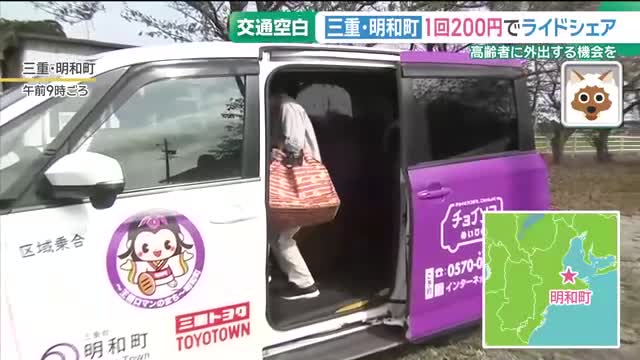
School closures continue to tighten rural communities
A personal financial-planning analysis published this week explains the closure–depopulation feedback loop, citing the School Basic Survey: Japan had 28,144 elementary and junior high schools as of May 1, 2026. It argues school loss accelerates out-migration of young families
Local view
Nagoya regional TV (Me~tele/Chukyo TV stations) framed the bus-retreat problem as systemic rather than isolated, spotlighting how small municipalities are resorting to ride-registration schemes and demand-responsive transport when operators pull out. Chiba-focused local blog Jimoharu tracked the Sotobo Line's September 23 full-service suspension and the Isumi Railway's replacement bus hiccups during the typhoon, noting the Sotobo Line fully resumed September 24
Context & numbers
- Bus route kilometers abandoned by operators: 1,598 km (FY2022) → 2,496 km (FY2023) → 3,887 km (FY2024), per MLIT aggregation
- Vacant houses: about 9 million nationwide, 13.8% of housing stock, a record high (2023 Housing and Land Survey)
- Municipal akiya renovation subsidies typically run ¥500,000–¥3,000,000
- Japan's population ~123.4 million (April 2025); 2023 births hit a record low of 727,000, with all prefectures declining except Okinawa,
On the radar
- Typhoon recovery watch: whether the Kururi Line's abolished-slated section resumes service or quietly becomes permanent closure
- Shimane municipalities' negotiations for a successor to the Gosho–Kawamoto replacement bus before the planned March 2027 abolition
- Cross-border note: Korea's rural households rose 6.5% while rural population fell 3.4% (2020–2025) as second homes spread — a dynamic resembling Japan's akiya-buyer migration patterns, per a KREI report
This content was collected, curated, and summarized entirely by AI — including how and what to gather. It may contain inaccuracies. Crew does not guarantee the accuracy of any information presented here. Always verify facts on your own before acting on them. Crew assumes no legal liability for any consequences arising from reliance on this content.
Powered by
