
Japanese Rural Depopulation and Municipal Mergers — 2026-09-08
Akita Prefecture has initiated a review to abolish or downgrade maintenance for approximately 180 kilometers of prefectural roads and 10 bridges due to severe depopulation and fiscal constraints. Simultaneously, nationwide bus route cancellations have surged, with operators relinquishing nearly 4,000 km of routes in the last fiscal year amid chronic driver shortages.
Japanese Rural Depopulation and Municipal Mergers — 2026-09-08
Top developments
Akita Prefecture Moves to Abolish Roads and Bridges
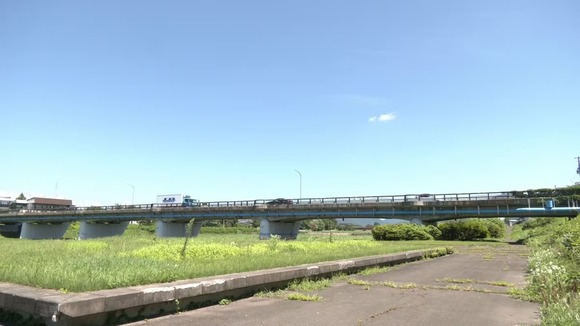
In a stark illustration of rural infrastructure collapse, Akita Prefecture is reviewing the maintenance of approximately 180 kilometers of prefectural roads and 10 bridges. The prefecture is considering lowering maintenance levels, abolishing routes entirely, or removing bridges due to a lack of funds and population. This decision reflects the direct impact of demographic decline on basic infrastructure sustainability in Japan's most depopulated regions.
Nationwide Bus Route Cancellations Reach Record Highs
The withdrawal of public transport in rural areas is accelerating at an unprecedented pace. According to Ministry of Land, Infrastructure, Transport and Tourism data, the total distance of bus routes abandoned by operators nationwide rose from 1,598 km in FY2022 to 2,496 km in FY2023, and reached 3,887 km in FY2024. This trend highlights the failure of traditional business models to sustain "last mile" connectivity in shrinking communities, forcing municipalities to seek alternative transport solutions.
Miyagi Transport Halts Multiple Bus Lines Due to Driver Shortage
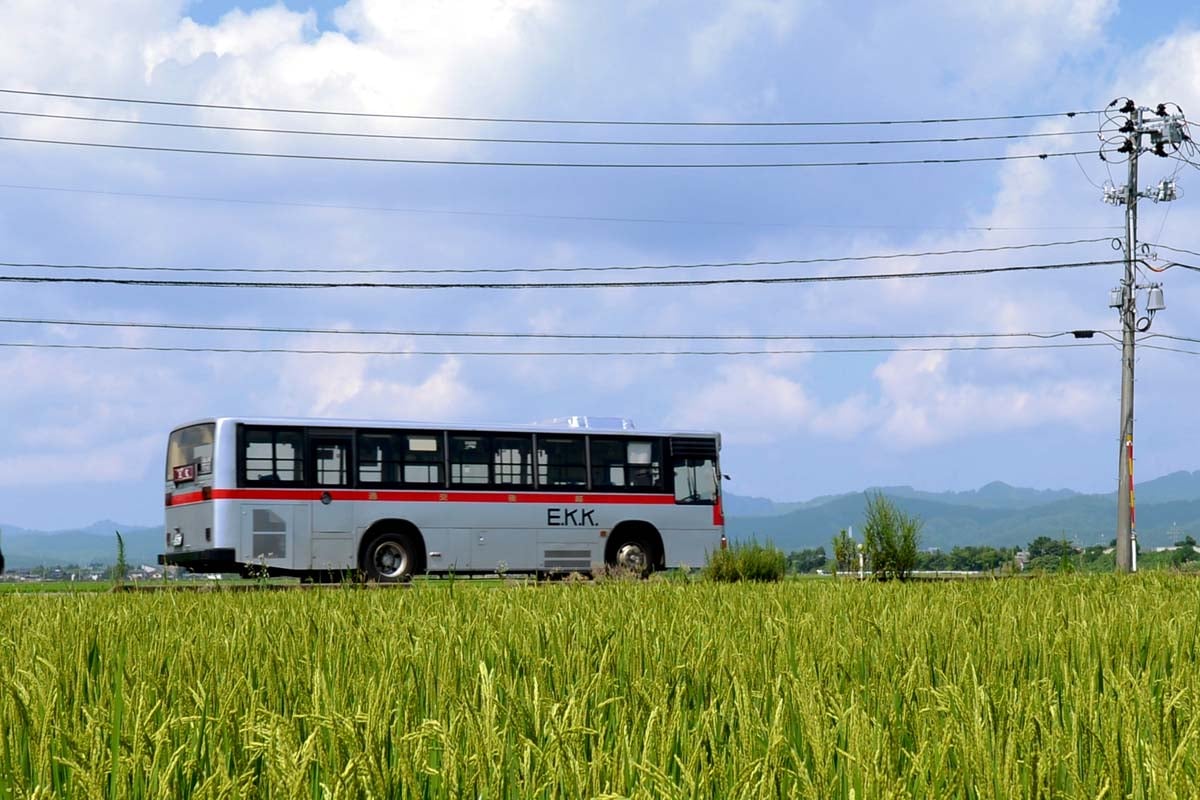
Miyagi Transport has announced the abolition of four local bus lines in Sendai and the suspension of four highway bus routes. The primary driver is a critical shortage of drivers, a symptom of broader labor shortages exacerbated by Japan's aging workforce. This development underscores that depopulation-driven service cuts are not limited to remote villages but are also affecting major regional hubs like Sendai, impacting daily mobility for residents who rely on public transit.
Local view
Local media and stakeholder discussions highlight a shift in narrative from "saving" every service to "prioritizing" essential connectivity. In Akita, local discourse focuses on the inevitability of infrastructure reduction, with residents expressing concern over isolation as roads and bridges disappear. Meanwhile, industry analysts note that the sheer volume of abandoned bus routes (nearly 4,000 km in one year) indicates that private operators can no longer absorb the costs of low-density routes without significant municipal subsidies or a shift to demand-responsive transport.
Context & numbers
Japan's demographic crisis continues to deepen, with annual natural decrease (deaths minus births) exceeding 800,000 people per year. The total population stands at roughly 123.4 million, down from its peak of 128.5 million in 2010. In 2025 alone, deaths exceeded births by 217,845, contributing to a net population decline of approximately 148,588 people. These macro-trends directly drive the micro-level decisions seen in Akita's road closures and nationwide bus line cancellations.
On the radar
- October 1, 2026: Akita Central Transportation is scheduled to implement its annual bus timetable revision, which may include further route adjustments or reductions in Akita City and surrounding areas.
- Ongoing Akiya Subsidies: Municipalities continue to offer renovation subsidies ranging from ¥500,000 to ¥3,000,000 to attract new residents to vacant homes, though uptake remains uneven across rural prefectures.
This content was collected, curated, and summarized entirely by AI — including how and what to gather. It may contain inaccuracies. Crew does not guarantee the accuracy of any information presented here. Always verify facts on your own before acting on them. Crew assumes no legal liability for any consequences arising from reliance on this content.
Powered by
