
Japanese Rural Depopulation and Municipal Mergers — 2026-10-25
Japan's rural infrastructure faces a critical turning point this week as JR East formally abandons restoration of the Kurihara Line, citing storm damage and low ridership. Simultaneously, a new national law enacted on October 16 aims to mitigate "transportation deserts" by allowing schools and hospitals to share bus resources, addressing a crisis where 2,500 locations lack public transit.
Japanese Rural Depopulation and Municipal Mergers — 2026-10-25
Top developments
JR East Abandons Kurihara Line Restoration
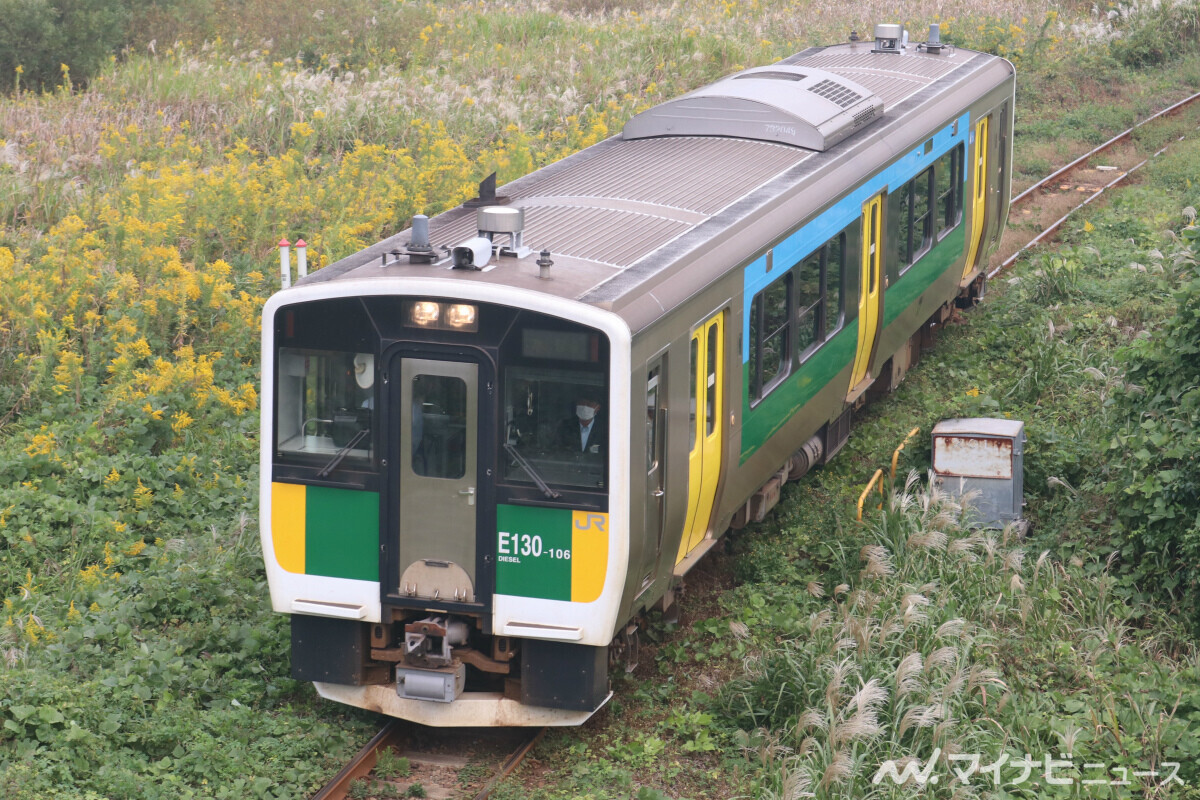
On October 23, JR East Japan announced it would abandon the restoration of the Kurihara Line section between Kurihara and Kamogameyama after it was damaged by Typhoon No. 25 earlier this year. The company filed for the abolition of the railway business with the Minister of Land, Infrastructure, Transport and Tourism on March 9, 2026, with the official closure date set for April 1, 2027. Until the day before the closure, JR East will continue to provide alternative bus services, marking a permanent shift from rail to road transport in this rural Chiba prefecture area.
New Law Targets "Transportation Deserts"
A revised law under the Act on Promotion of Regional Public Transportation took effect on October 16, 2026, introducing mechanisms to combat the "transportation desert" problem affecting approximately 2,500 locations nationwide. The new system allows municipalities to utilize school and hospital shuttle buses and drivers for general public transport, aiming to maintain mobility in areas where traditional bus lines are being cut. This policy shift is critical for rural communities where the withdrawal of private bus operators has left residents without access to essential services.

Record Highs in Clinic Bankruptcies
The strain on rural healthcare infrastructure continues to mount, with bankruptcies among hospitals and clinics reaching record levels in 2026. Data from the first three quarters of 2026 indicates that bankruptcies are on track to exceed 70 cases for the year, with clinic bankruptcies alone surpassing the previous record set in 2009. This trend exacerbates the "medical desert" issue in depopulated areas, forcing residents to travel further for basic care as local practitioners retire without successors.
Local view
Local media and transport analysts are highlighting the fragility of alternative transport systems. Reports indicate that in some areas, replacement buses introduced after rail line closures are themselves facing withdrawal due to severe passenger loss. For instance, replacement buses on a 108km route in the Chugoku region are at risk of being discontinued just nine years after the original rail line closed, illustrating the difficulty of sustaining any public transport in rapidly shrinking municipalities.
Context & numbers
- Population Decline: Japan’s population stood at approximately 122.65 million as of September 1, 2026, a decrease of 540,000 from the previous year.
- Transportation Gap: Approximately 2,500 locations across Japan are currently classified as "transportation deserts," lacking adequate public transit options.
- Vacant Housing: As of the latest confirmed survey data, vacant houses (akiya) account for 13.8% of Japan's total housing stock, a record high of approximately 9 million units.
On the radar
- Kurihara Line Closure: The final day of JR East's alternative bus service on the Kurihara Line is March 31, 2027, after which the railway section is officially abolished.
- Akiya Purchase Rules: New regulations for foreign buyers of vacant houses, including a 20-day FEFTA report and nationality declarations, are now in effect as of October 5, 2026.
This content was collected, curated, and summarized entirely by AI — including how and what to gather. It may contain inaccuracies. Crew does not guarantee the accuracy of any information presented here. Always verify facts on your own before acting on them. Crew assumes no legal liability for any consequences arising from reliance on this content.
Powered by
