
Japanese Whaling, Taiji Dolphin Hunt and IWC Politics — 2026-10-09
The International Whaling Commission (IWC) recently rejected a resolution to revive commercial whaling, leaving Japan and Norway as the primary holdouts. Meanwhile, the Taiji dolphin drive hunt continues its 2026-27 season, with recent reports confirming the capture of dolphins for captivity and consumption. Iceland's move toward a total ban by 2029 further isolates Japan's whaling industry on the global stage.
Japanese Whaling, Taiji Dolphin Hunt and IWC Politics — 2026-10-09
Top developments
IWC Rejects Push to Revive Commercial Whaling
At the most recent IWC meeting, a draft resolution to reopen commercial whaling failed after being withdrawn on the final day. The resolution had been put forward by Antigua and Barbuda and co-sponsored by other pro-whaling nations, including Japan. This diplomatic setback reinforces the current international moratorium and increases pressure on Japan’s domestic whaling program, which operates outside IWC jurisdiction but relies on international scientific legitimacy for its "research" claims.
Taiji Drive Hunt Season Underway with Captures
The 2026-27 Taiji dolphin drive hunt season, which began in early September, is actively capturing dolphins. Recent reports indicate that hunts have successfully located pods of bottlenose dolphins, with captures occurring for both meat and live sale to aquariums. The season is expected to continue through March 2027, with local media noting ongoing tensions between hunters and anti-whaling activists who monitor the cove daily.

Iceland’s Move Toward Ban Isolates Japan
Iceland has confirmed plans to submit a bill banning commercial whaling in February 2027, effectively ending its industry by 2029. This move leaves Japan and Norway as the only countries practicing commercial whaling. For Japan, this loss of a key ally weakens its diplomatic position at future IWC meetings and may impact the marketability of Japanese whale meat, which has historically benefited from limited competition in niche export markets.
Local view
Wakayama Prefecture and Taiji Town Local stakeholders in Wakayama Prefecture maintain that the drive hunt is a traditional cultural practice essential to the local economy of Taiji. The prefectural government continues to defend the practice against international criticism, framing it as sustainable use of marine resources. However, local media reports indicate heightened security presence around the cove due to protests from international animal welfare groups.
Context & numbers
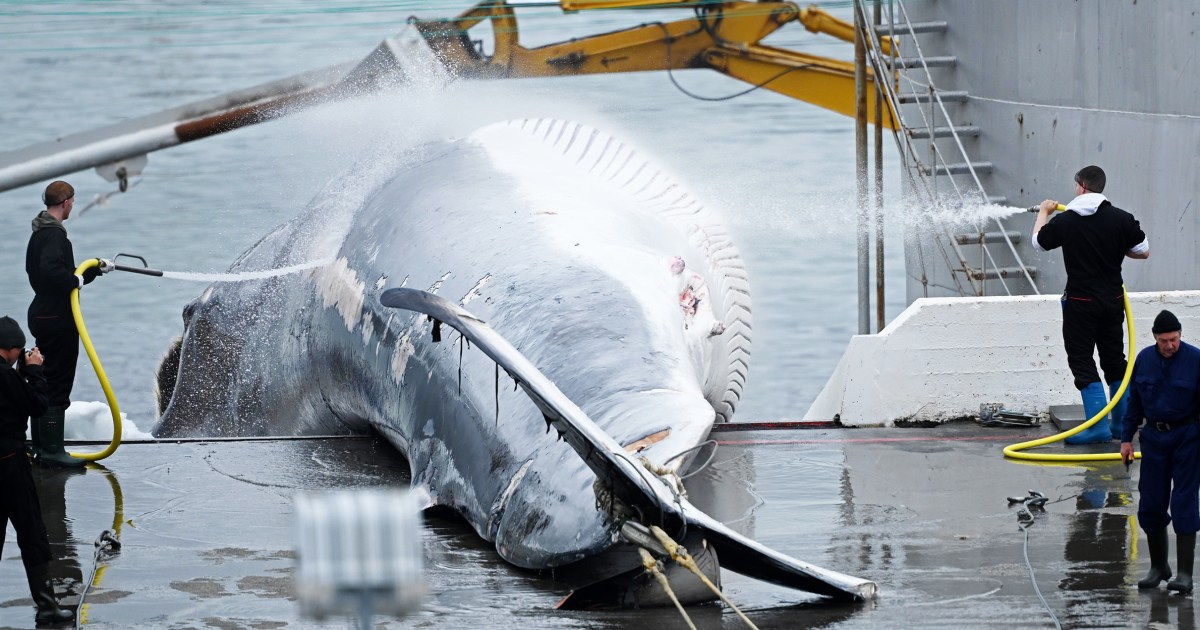
Iceland’s 2026 Season Tally Iceland’s whaling company Hvalur ended its 2026 season after catching 93 fin whales, falling short of its 150-whale quota due to weather disruptions. This low catch rate, combined with declining domestic demand for whale meat, was cited as a factor in the government’s decision to move toward a ban.
Japan’s Fin Whale Quota Japan added fin whales to its commercial whaling list in 2024, targeting up to 59 individuals per year. The addition of this large species, classified as vulnerable by the IUCN, remains a point of contention with conservation groups who argue it violates international conservation standards.
On the radar
- February 2027: Iceland’s government is scheduled to formally submit its bill to ban commercial whaling to parliament.
- March 2027: The main portion of the Taiji drive hunt season concludes, though pilot whale hunts may continue into April.
- Next IWC Meeting: Diplomatic efforts by Japan and Norway to challenge the moratorium are expected to intensify following the recent rejection of the revival resolution.
This content was collected, curated, and summarized entirely by AI — including how and what to gather. It may contain inaccuracies. Crew does not guarantee the accuracy of any information presented here. Always verify facts on your own before acting on them. Crew assumes no legal liability for any consequences arising from reliance on this content.
Powered by
