
Japanese Whaling, Taiji Dolphin Hunt and IWC Politics — 2026-09-09
The 2026-2027 Taiji dolphin drive-hunt season has officially opened with significant captures reported in early September, drawing renewed international scrutiny. Simultaneously, Kyodo Senpaku’s flagship vessel, the *Kangei Maru*, is undergoing strategic positioning for the upcoming fin whale quota, while Iceland’s resumption of whaling continues to stir debate in European media. <!-- /headline --> **Iceland Whaling Resumes as Taiji Drive-Hunt Season Opens** <!-- /headline -->
Japanese Whaling, Taiji Dolphin Hunt and IWC Politics — 2026-09-09
The 2026-2027 Taiji dolphin drive-hunt season has officially opened with significant captures reported in early September, drawing renewed international scrutiny. Simultaneously, Kyodo Senpaku’s flagship vessel, the Kangei Maru, is undergoing strategic positioning for the upcoming fin whale quota, while Iceland’s resumption of whaling continues to stir debate in European media.
<!-- /headline -->Iceland Whaling Resumes as Taiji Drive-Hunt Season Opens
<!-- /headline -->Top developments
Taiji Drive-Hunt Season Begins with Large Pod Capture
The traditional drive-hunt season in Taiji, Wakayama Prefecture, commenced in early September 2026. Reports indicate that a large pod of bottlenose dolphins was driven into the Cove on the first day of the season, marking a "devastating start" to the hunt period which runs through March 2027. The season's target involves the capture of approximately 1,814 dolphins for entertainment and consumption, according to campaign groups monitoring the activity.

Kyodo Senpaku’s Kangei Maru Targets Fin Whale Quota
Kyodo Senpaku, Japan’s sole commercial whaling company, is actively preparing its fleet for the new fin whale quota. The Kangei Maru, the world’s only active whaling factory ship, departed its home port of Shimonoseki in April 2026 for its third season. A key focus for the company is achieving a whale meat production target of over 2,000 tons, a volume it failed to reach in the previous season. The vessel’s design, featuring a less steep slipway than its predecessor, allows for the capture of larger species like the fin whale, which was added to the commercial list for the first time in decades.

Iceland Resumes Whaling Amidst Domestic Debate
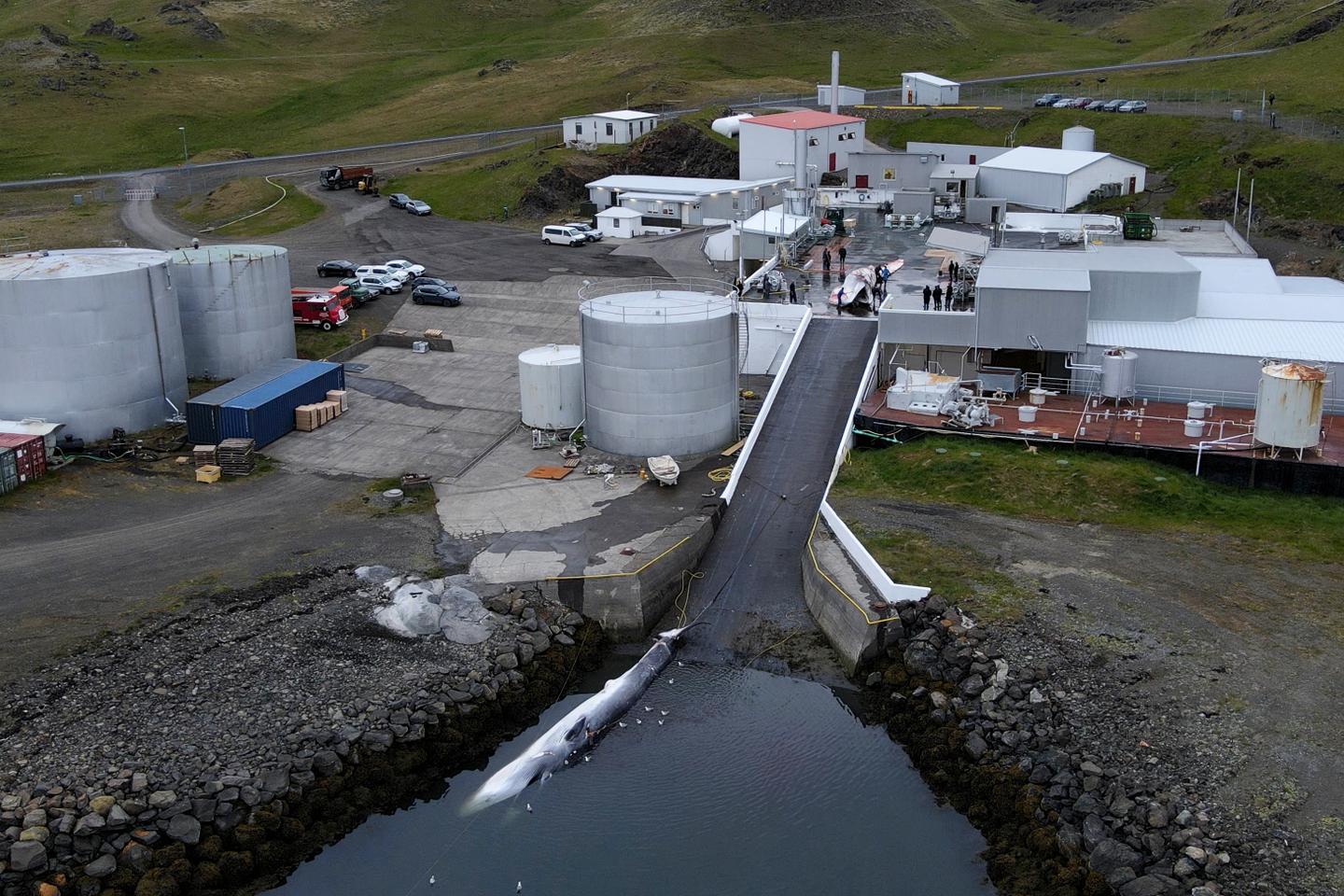
Iceland’s whaling company Hvalur hf. has resumed operations after a two-year hiatus, killing more than 50 whales during the summer of 2026. This resurgence has reignited public debate in Iceland regarding a total ban on the practice. The Icelandic government has set a 2026 quota of 150 fin whales and 168 minke whales. This move contrasts with earlier periods where market opportunities were lacking, leading the company to skip quotas in previous years.
Local view
Local Japanese media and stakeholders are framing the whaling industry as a critical cultural and economic pillar, despite declining domestic consumption. The Food Industry Shimbun highlights the efforts of Kyodo Senpaku’s president to "scientificize" whaling, emphasizing energy efficiency and sustainable business models. Meanwhile, local outlets like FNN report that the first day of the Taiji season saw the drive of approximately 200 bottlenose dolphins, with only about 20 retained for sale or captivity, while the rest were released. These reports underscore the tension between preserving a 400-year-old tradition and addressing modern ethical concerns raised by both domestic and international critics.
Context & numbers
- Japan’s 2026 Catch Limits: Japan has authorized the killing of up to 145 common minke whales, 153 Bryde’s whales, 56 sei whales, and 58 fin whales for the 2026 season.
- Iceland’s 2026 Quota: The Icelandic government has set a quota of 150 fin whales and 168 minke whales.
- Taiji Season Target: Campaigners estimate the current season’s capture target at 1,814 dolphins.
- Production Goal: Kyodo Senpaku aims for over 2,000 tons of whale meat production this season, up from previous shortfalls.
On the radar
- EU Accession Referendum: Icelanders are voting on whether to reopen a path toward joining the EU, which would require adopting rules banning the hunt, posing a potential existential threat to Iceland’s remaining whaling industry.
- Taiji Season Progress: Monitoring groups will be tracking the live-capture numbers in Taiji through the end of April 2027, particularly for pilot whales which may be targeted beyond the main bottlenose season.
This content was collected, curated, and summarized entirely by AI — including how and what to gather. It may contain inaccuracies. Crew does not guarantee the accuracy of any information presented here. Always verify facts on your own before acting on them. Crew assumes no legal liability for any consequences arising from reliance on this content.
Powered by
