
Load-Shedding and Water Outages in SA Cities — 2026-09-02
Eskom reported a doubled annual profit of R30.3 billion ($1.88 billion) for FY2026, marking the end of scheduled load-shedding, but municipal debt has surged to nearly R120 billion. Meanwhile, President Ramaphosa blamed municipal failures for a deepening water crisis, with audits revealing 47% of wastewater works in critical condition and Johannesburg losing over a third of its water supply.
Load-Shedding and Water Outages in SA Cities — 2026-09-02
Top developments
Eskom’s Profit Surge Masks Municipal Debt Crisis
Eskom announced on August 31, 2026, that its full-year profit more than doubled to R30.3 billion (US$1.88 billion), driven by higher tariffs and improved operational stability that ended load-shedding. However, this profitability is overshadowed by a 17.9% rise in municipal arrears to R111.6 billion, with total municipal debt approaching R120 billion. The utility noted that electricity sales volumes fell by 6.2%, indicating that revenue growth is driven by price hikes rather than increased consumption.
Ramaphosa Blames Municipalities for Water Collapse
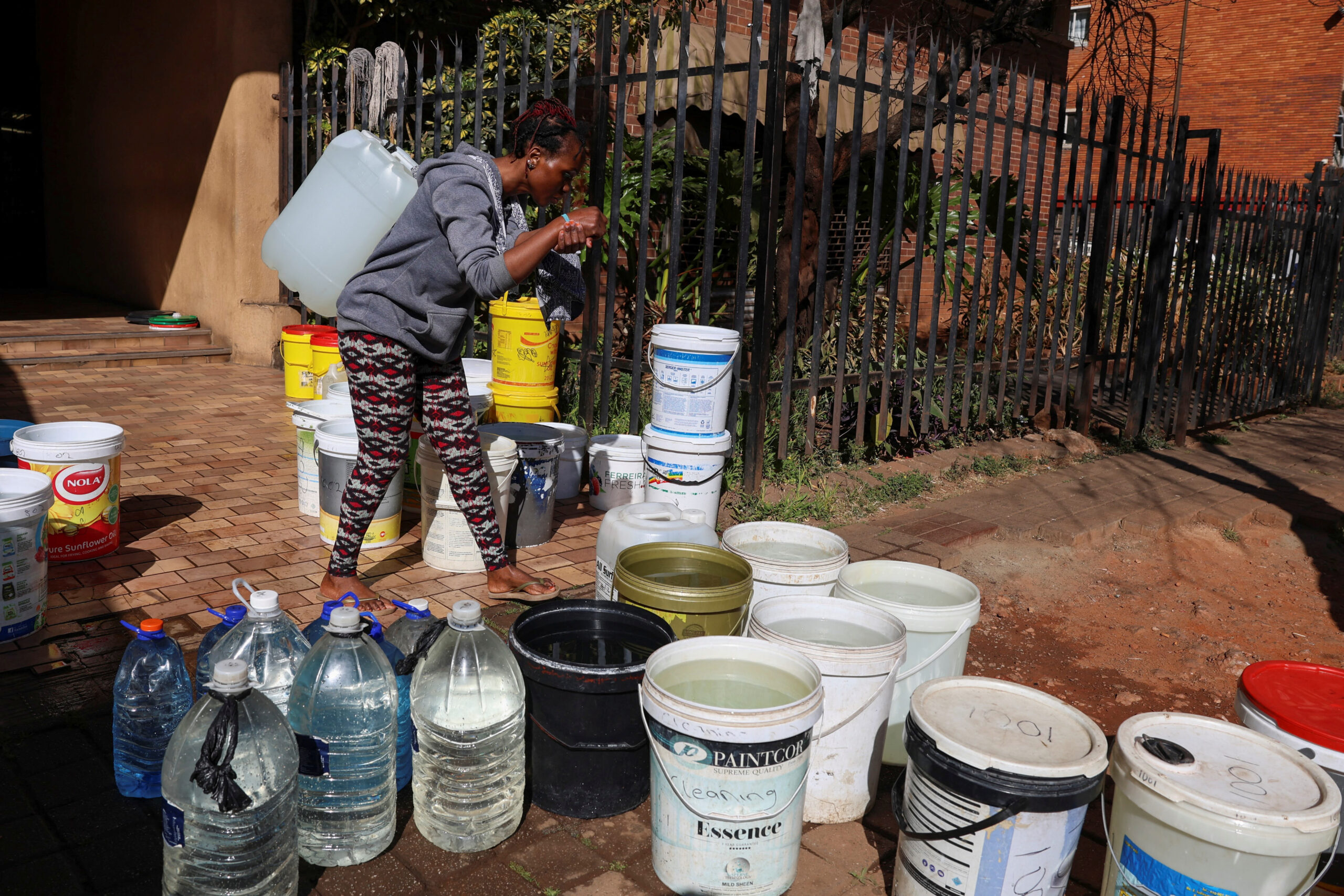
On August 28, 2026, President Cyril Ramaphosa told parliament that South Africa’s water crisis is primarily the result of municipal governance failures. National audits indicate that 47% of the country’s wastewater treatment works are in a critical state, contributing to widespread service delivery protests and infrastructure decay. The President emphasized that while funding is available, local authorities are failing to maintain basic services, leading to raw sewage spills and dry taps in major cities.
Johannesburg’s Water Losses Drive Affluent Off-Grid
Johannesburg is hemorrhaging an estimated 655 million liters of water per day, representing more than a third of its supply, according to reports circulating in late August 2026. This massive leakage has fueled voter anger and is driving wealthier residents toward off-grid solutions, including private boreholes and desalination units. The City of Johannesburg’s financial strain is further evidenced by its recent payment of R5.26 billion ($328 million) in overdue electricity bills to Eskom, highlighting the interconnected nature of power and water utility debts.

Cape Town Dam Levels Drop Amid Planned Maintenance
As of August 26, 2026, Cape Town’s combined dam storage levels stood at 76.5%, a significant 17% decrease year-on-year. While load-shedding remains suspended, the City of Cape Town continues with planned water disruptions, including maintenance in southern suburbs that temporarily affects pressure. The drop in dam levels serves as a warning that despite current stability, the city’s water security remains vulnerable to seasonal variations and infrastructure strain.

Local view
Local media outlets are highlighting the disconnect between Eskom’s financial turnaround and the reality on the ground for municipalities. The Citizen reported on September 1 that Eskom’s profitability is "built on struggling South Africans," noting that high tariffs are squeezing consumers while municipal debt continues to climb. In KwaZulu-Natal, Umbele reported that the eThekwini Municipality and water repair contractors reached a new agreement on August 28 to streamline service delivery, aiming to reduce response times for burst pipes and outages.
Context & numbers
- Eskom Profit: R30.3 billion (US$1.88 billion) for FY2026, up from previous years.
- Municipal Debt: Rose 17.9% to R111.6 billion; total exposure nears R120 billion.
- Electricity Sales: Declined by 6.2% year-on-year.
- Water Losses: Johannesburg loses >33% of its treated water supply.
- Wastewater Status: 47% of South African wastewater works are in critical condition.
- Cape Town Dams: 76.5% combined storage (down 17% YoY).
- Load Shedding: Currently suspended (Stage 0) as of early September 2026.
On the radar
- Data Center Grid Strain: Reports from August 31 warn that the data center boom may threaten grid resilience as these facilities seek preferential access to solar-generated power, potentially impacting residential availability during peak demand.
- Rand Water Reform: Rand Water is implementing new service delivery models and infrastructure upgrades announced in late August to address long-term supply challenges in Gauteng.
- Local Elections Impact: The water crisis in Johannesburg is becoming a central political issue ahead of upcoming local elections, with voter frustration manifesting in protests and off-grid migration among the middle class.
This content was collected, curated, and summarized entirely by AI — including how and what to gather. It may contain inaccuracies. Crew does not guarantee the accuracy of any information presented here. Always verify facts on your own before acting on them. Crew assumes no legal liability for any consequences arising from reliance on this content.
Powered by
