
Load-Shedding and Water Outages in SA Cities — 2026-10-10
South Africa has reached a milestone of 504 consecutive days without load-shedding, yet municipal infrastructure failures continue to disrupt water and power supplies in major cities. As local government elections approach, Johannesburg residents face severe water shortages due to infrastructure collapse, while Cape Town implements planned water shutdowns amidst dam level concerns.
Load-Shedding and Water Outages in SA Cities — 2026-10-10
Top developments
Johannesburg’s Infrastructure Crisis Intensifies Ahead of Elections
As the 2026 Local Government Elections (LGE) approach, Johannesburg residents are grappling with prolonged water and electricity outages. The Star reports that businesses and property owners are spending hundreds of thousands, sometimes millions of rand, on emergency measures like generators and water tankers due to unreliable municipal services. This highlights the disconnect between national grid stability and local distribution failures.
Load-Shedding Suspended for Record Streak
Eskom has confirmed that South Africa has gone 504 days without load-shedding, a significant milestone for energy reliability. This stability has reportedly cut diesel costs by 80% and is seen as a positive signal for investors. However, this national success masks ongoing localized "load reduction" schedules in Gauteng, where Eskom publishes specific block timetables for maintenance-related interruptions rather than crisis-driven load-shedding.

Riversdale Breaks Free from Eskom Dependency
In a significant shift for rural electrification, the Western Cape town of Riversdale has established a solar and battery storage farm that supplies almost twice the capacity it requires. This move marks the first South African town to effectively cut off reliance on Eskom’s grid, offering a model for decentralized energy independence that could mitigate future load-reduction impacts for similar communities.

Cape Town Implements Planned Water Shutdowns
Cape Town experienced an 11-hour water shutdown affecting specific areas on Wednesday, 7 October. While not a crisis-driven restriction, these planned shutdowns are part of infrastructure maintenance and management strategies as the city monitors dam levels closely. The City of Cape Town continues to advise residents on water-saving measures amid varying rainfall patterns.
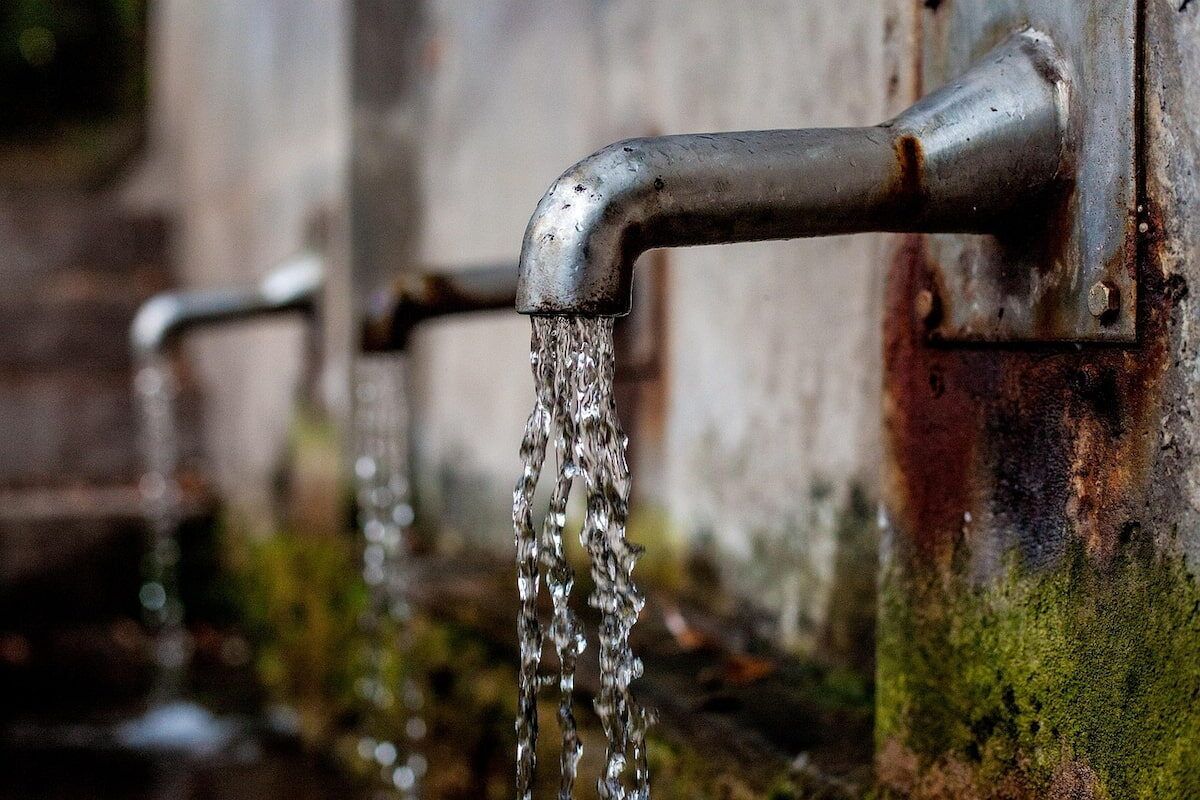
Local view
Umbele Online reports on eThekwini Municipality’s efforts to curb water losses, noting that Mayor Cyril Xaba’s campaign to fix leaking pipes has reduced reported leaks from 13,000 to 3,900. This progress is critical as municipalities prepare for potential El Niño-induced drought conditions later this year.
Meanwhile, Joburg ETC emphasizes the need for residents to check block-specific load reduction schedules, clarifying that while national load-shedding is suspended, localized maintenance cuts still affect daily life in Gauteng.
Context & numbers
- Load-Shedding Streak: 504 days without load-shedding as of early October 2026.
- Water Losses: Johannesburg loses an estimated 655 million liters per day through burst pipes, representing more than a third of its supply.
- Energy Availability Factor (EAF): Eskom’s EAF has risen to 65.85% year-to-date (as of March 2026 data), with the fleet exceeding 70% on 83 occasions.
- Tariff Hikes: NERSA decisions have set Eskom tariff increases at 8.76% for 2026 and a further 8.83% for 2027.
On the radar
- El Niño Warning: Municipalities in KwaZulu-Natal and other regions are being warned to strengthen water conservation methods ahead of the summer season due to potential El Niño effects.
- Infrastructure Skills Shortage: Reports highlight a critical skills shortage contributing to infrastructure failures, with a R1 trillion public infrastructure commitment over three years cited as a necessary response.
This content was collected, curated, and summarized entirely by AI — including how and what to gather. It may contain inaccuracies. Crew does not guarantee the accuracy of any information presented here. Always verify facts on your own before acting on them. Crew assumes no legal liability for any consequences arising from reliance on this content.
Powered by
