
Kazakh Uranium Mining and Supply Deals — 2026-10-11
Kazatomprom shareholders rejected a uranium supply contract with Russia’s Uranium One Group while approving a similar deal with China’s SNURDC, marking a significant geopolitical shift in supply routes. Concurrently, Rosatom’s joint venture in Kazakhstan revised its production plans downward due to uncertainty over the Inkai site, and the Kazakh government announced a $500 million geological exploration fund through 2030.
Kazakh Uranium Mining and Supply Deals — 2026-10-11
Top developments
Shareholders Reject Russian Contract, Approve Chinese Deal
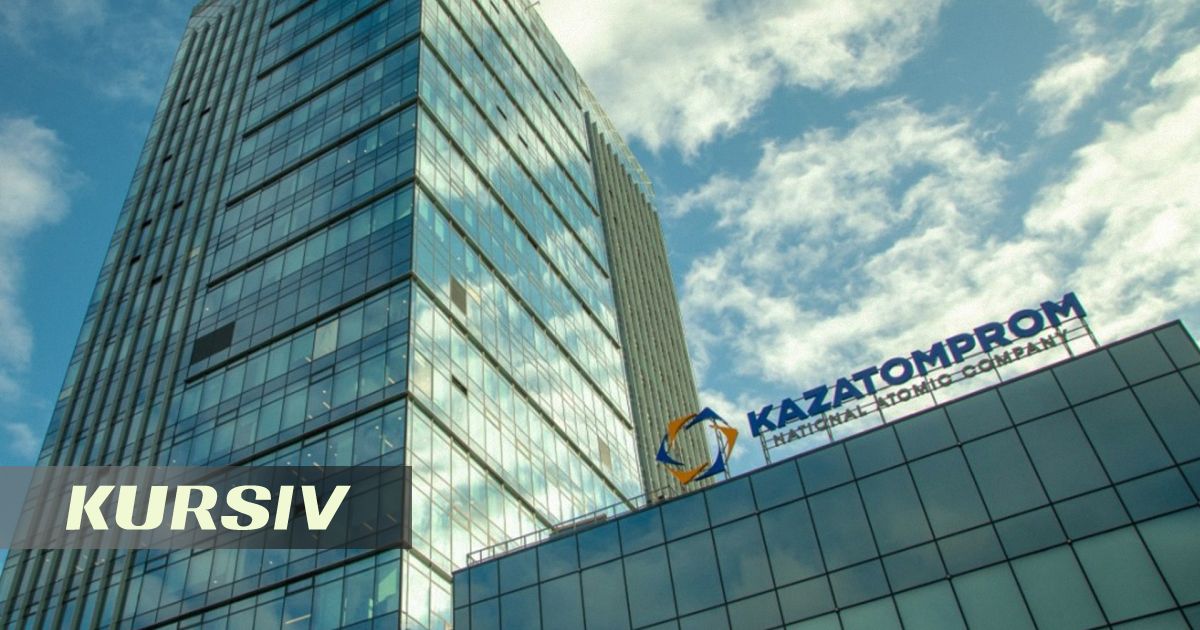
At an extraordinary general meeting on October 7, 2026, Kazatomprom shareholders voted against a proposed uranium sales contract with Russia’s Uranium One Group (a Rosatom subsidiary) but approved a similar contract with China’s State Nuclear Uranium Resources Development Co., Ltd. (SNURDC). The Russian agreement received only 12.2 million votes in favor, falling short of approval, while the Chinese deal secured sufficient support. This decision highlights Kazakhstan’s strategic pivot away from Russian intermediaries in favor of direct Asian partnerships.
Rosatom JV Cuts Inkai Production Plans
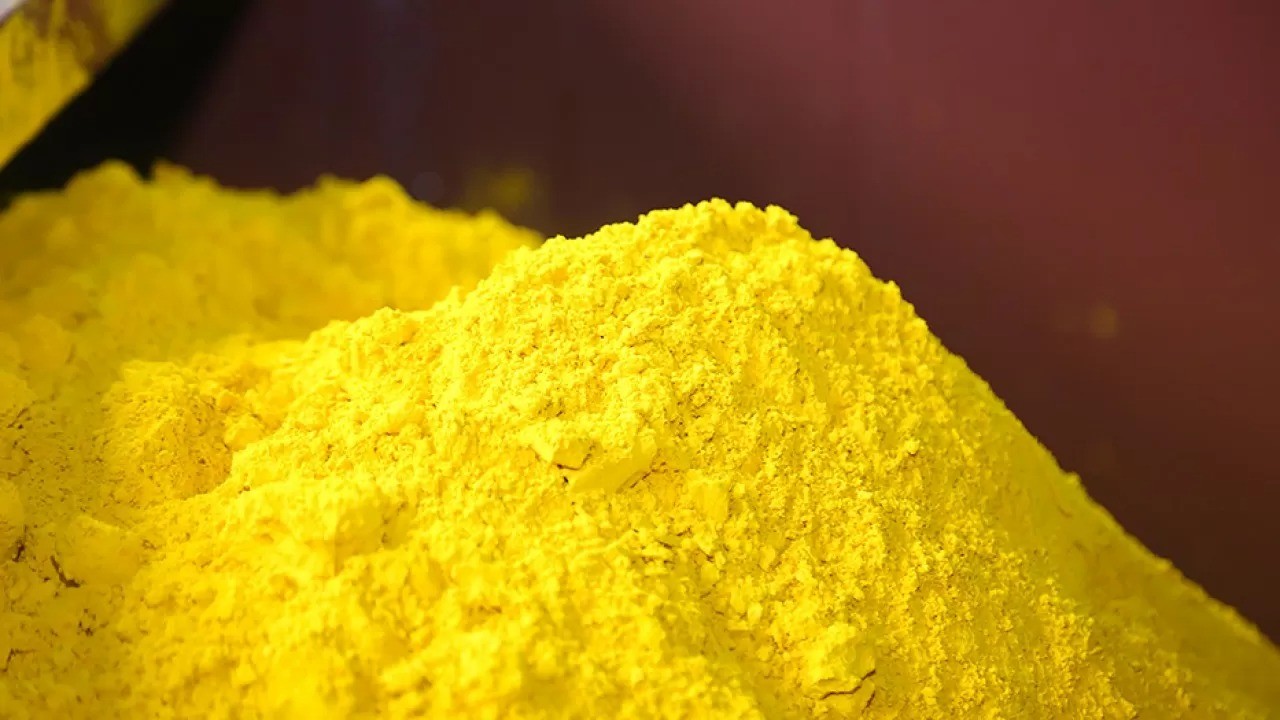
Rosatom’s joint venture with Kazatomprom has revised its uranium extraction plans for the Inkai field downward, citing uncertainty regarding the site’s future development. This reduction impacts the overall output guidance for Kazakh production, as Inkai is one of the major wellfields contributing to national totals. The adjustment reflects ongoing operational challenges and strategic recalibrations within Russian-owned assets in Kazakhstan.
Government Allocates $500 Million for Geological Exploration
The Kazakh government announced that approximately $500 million will be allocated to the geological sector by 2030 to support exploration activities, including those for uranium. This funding represents a tenfold increase in state financing for the sector compared to previous periods. The move aims to secure long-term resource bases and support Kazatomprom’s strategy to identify new deposits beyond current producing fields.
Local view
Local media outlets such as Inbusiness.kz and Kapital.kz have focused heavily on the divergence between Russian and Chinese commercial interests in Kazakhstan. Inbusiness.kz reports that the revision of Rosatom’s plans at Inkai is being watched closely by analysts as a signal of potential operational friction or strategic disengagement by Russian entities. Meanwhile, Kapital.kz highlights the state’s increased financial commitment to geology as a critical step to maintain Kazakhstan’s status as the world’s leading uranium producer despite global supply chain shifts,.
Context & numbers
- Voting Margin: The rejection of the Russian deal was narrow but decisive; the Russian contract received ~12.2 million votes, while the Chinese contract passed with significantly higher support, reflecting shareholder sentiment favoring diversification away from Russia.
- Exploration Funding: The $500 million allocation for geology through 2030 is part of a broader state effort to boost resource discovery rates.
- Production Guidance: Kazatomprom’s 2026 capital expenditure guidance has been affected by higher costs for wellfield preparation and sulphuric acid, though supplies for 2026 are estimated to be stable.
On the radar
- New Wellfield Development: Continued monitoring of the Kyzyltu block in the Kyzylorda region, where Kazatomprom holds exploration rights, is crucial as it may add up to 10,000 tonnes of annual capacity in the future.
- Shipping Route Diversification: Stakeholders are watching for further investments in the Trans-Caspian International Transport Route (TITR) as Kazatomprom seeks to reduce reliance on Russian transit corridors for exports to Western markets.
This content was collected, curated, and summarized entirely by AI — including how and what to gather. It may contain inaccuracies. Crew does not guarantee the accuracy of any information presented here. Always verify facts on your own before acting on them. Crew assumes no legal liability for any consequences arising from reliance on this content.
Powered by
