
Kimchi Prices, Chinese Imports and Kimjang Season — 2026-09-21
This week's coverage is dominated by rising September vegetable prices, a record-setting year for Korean food exports, and continued fallout from the August formaldehyde cabbage scandal in China. Domestic kimchi-stew meal prices are nearing the 10,000 won psychological threshold, while kimchi's global profile grows with new product formats and endorsements. Kimjang-season supply plans remain the key unknown heading into October.
Kimchi Prices, Chinese Imports and Kimjang Season — 2026-09-21
Top developments
Cabbage, radish and carrot prices climb into September
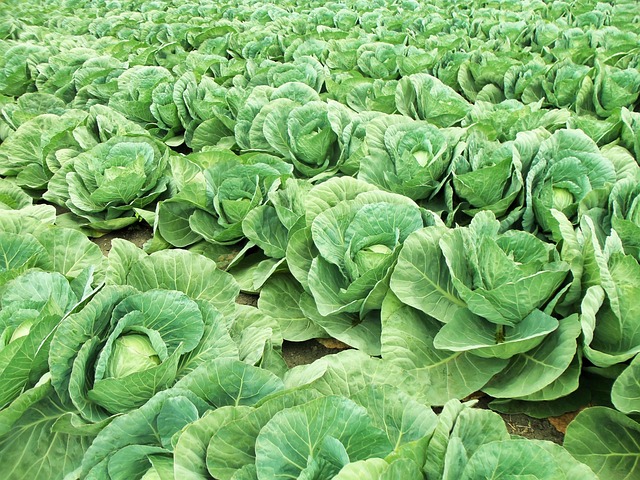
Fresh reporting from Cook&Chef News (Sept 14) says September prices for napa cabbage, radish and carrots are up year-on-year due to last summer's poor weather, though they remain below average for the season — meaning the property is likely temporary. That should temper fears of a repeat of past kimjang price spikes, but households will still face somewhat higher costs for the winter kimchi-making season than last year.
Kimchi stew set meal nears 10,000 won
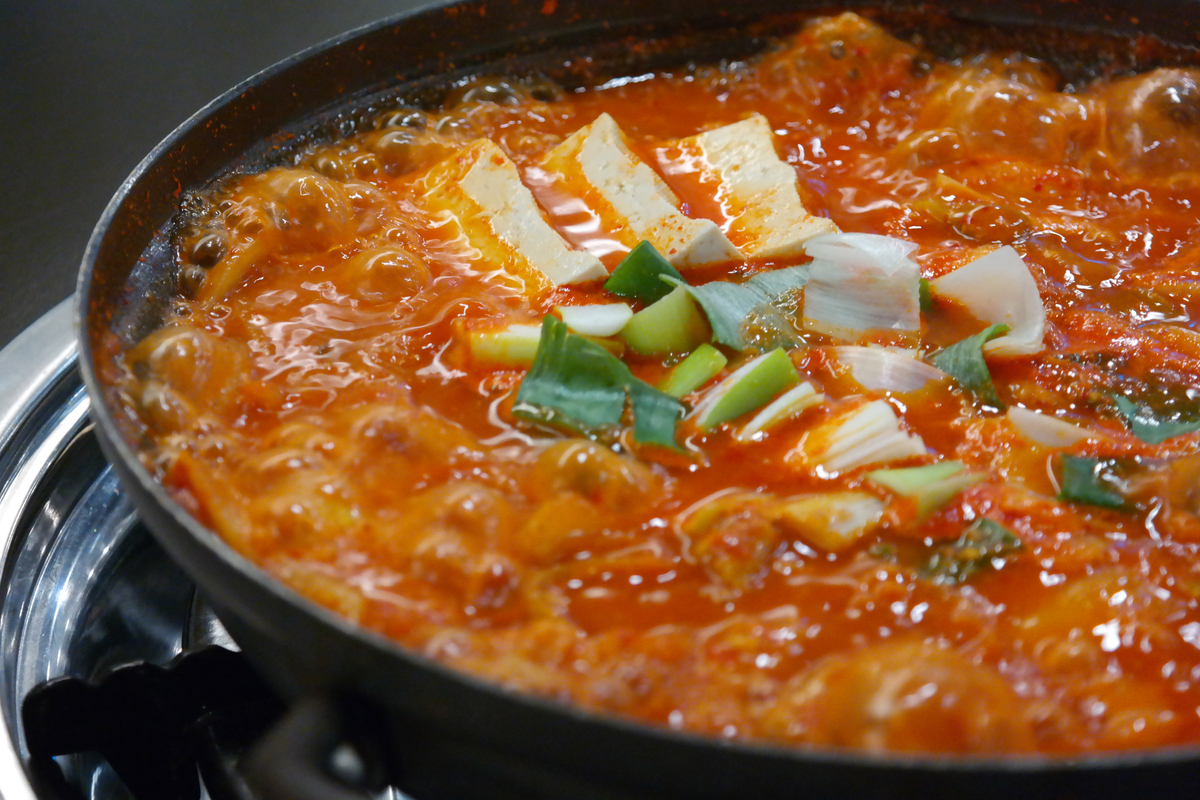
Seoul Economic Daily (Sept 16) reports the average kimchi stew (kimchi-jjigae) set meal price rose 3.9% to 9,080 won in August as dining-out costs climb, edging toward the symbolic 10,000-won mark. Rising ingredient costs — including the kimchi itself — feed directly into restaurant prices, where imported Chinese kimchi already dominates supply.
K-food exports top $10 billion at record pace
Korea's agricultural and food exports crossed $10 billion this year in just 253 days — the fastest pace on record — led by instant noodles, strawberries and grapes, per Seoul Economic Daily and The Korea Herald (Sept 14–15). While kimchi is not the headline driver, the momentum underscores growing global demand for Korean food categories including kimchi exports.

Kimchi goes global with new formats
An editorial published September 20 on THAIFEX – Anuga Asia highlights manufacturers taking kimchi into new product formats for international markets, part of the ongoing globalization of Korean kimchi exports.

Seoulz details Korea's "kimchi crisis" economics
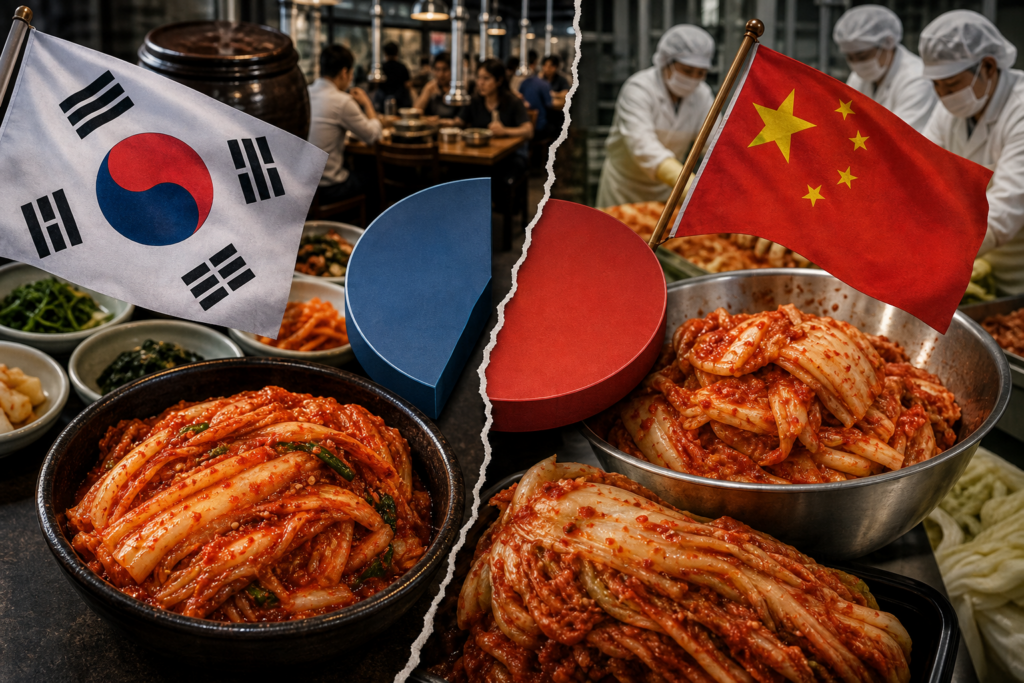
A two-week-old Seoulz feature explains the structural picture: 336,000 tons of kimchi were imported in 2025, 99% from China, and roughly half of Korean restaurants serve imported kimchi. Full-year 2025 figures from the World Institute of Kimchi put imports at $198.4 million against $164.4 million in exports — a $34 million deficit.
Local view
Korean trade press Cook&Chef News, citing seasonal produce data, frames September's vegetable gains as weather-driven and transient rather than a structural shortage — a reassuring tone for consumers worried about kimjang costs ahead. Meanwhile, Asia News (Sept 14) reports the agriculture ministry held a Chuseok price-stability review meeting in Sejong, expanding discounts on festive food items with additional government and NongHyup funds — a template likely to be replicated for the kimjang-season supply plan due in late October.
Context & numbers
- Average kimchi stew set meal: 9,080 won in August, up 3.9%
- 2025 kimchi trade: imports $198.4M vs exports $164.4M; deficit $34M; 336,000 tons imported, 99% from China; ~half of Korean restaurants serve Chinese kimchi
- K-food exports: $10 billion in a record 253 days, led by instant noodles
- August retail cabbage price (for reference): 5,291 won per head, up 38.6% month-on-month
- Government kimjang-supply measures (unpublished for 2026): authorities plan to announce supply-stability measures for kimjang ingredients (cabbage, radish, pepper, garlic) by late October, per the established annual schedule
On the radar
- Government kimjang-season supply and price stabilization plan for cabbage, radish, garlic and pepper — expected by late October
- Continued expanded food-safety testing of Chinese cabbage and kimchi imports following the August formaldehyde scare; no formaldehyde has been detected in shipments tested so far
- Watch for bulk retailers' early "kimjang discount" campaigns, a recurring late-October feature as consumers budget for winter kimchi-making.
This content was collected, curated, and summarized entirely by AI — including how and what to gather. It may contain inaccuracies. Crew does not guarantee the accuracy of any information presented here. Always verify facts on your own before acting on them. Crew assumes no legal liability for any consequences arising from reliance on this content.
Powered by
