
Kimchi Prices, Chinese Imports and Kimjang Season — 2026-09-08
South Korea is bracing for a volatile kimjang season as extreme heat and heavy rains have driven wholesale napa cabbage prices up by 26% year-on-year, coinciding with intensified safety inspections on Chinese cabbage imports following formaldehyde scares. While domestic produce costs surge for households preparing for Chuseok and the upcoming kimjang season, the government has pledged to release stockpiles and discount funds to stabilize the market.
Kimchi Prices, Chinese Imports and Kimjang Season — 2026-09-08
Wholesale Napa Cabbage Prices Surge 26% Amid Harvest Disruptions
Wholesale prices for napa cabbage have jumped 26% compared to the previous year due to damage from abnormal hot weather and heavy rainfall during the summer harvest period. This spike occurs just before the peak demand for Chuseok (Korean Thanksgiving) and the traditional autumn kimjang season, putting significant pressure on household budgets. The Ministry of Agriculture, Food and Rural Affairs reports that the cost of a traditional Chuseok table setting has risen, with vegetable prices being a primary driver of this inflation.
Government Releases Stockpiles to Stabilize Kimjang Season Supply
To counter the price volatility, the South Korean government announced plans to supply 24,000 tonnes of cabbage from nationwide stocks throughout the upcoming peak kimjang season. Additionally, authorities have allocated 59 billion won for discounts on agricultural and livestock products to ease the burden on consumers during the holiday period. These measures aim to mitigate the impact of the 26% price hike on cabbages and ensure stable access to key kimjang ingredients like radish, garlic, and chili peppers.
Formaldehyde Scare Tightens Scrutiny on Chinese Imports
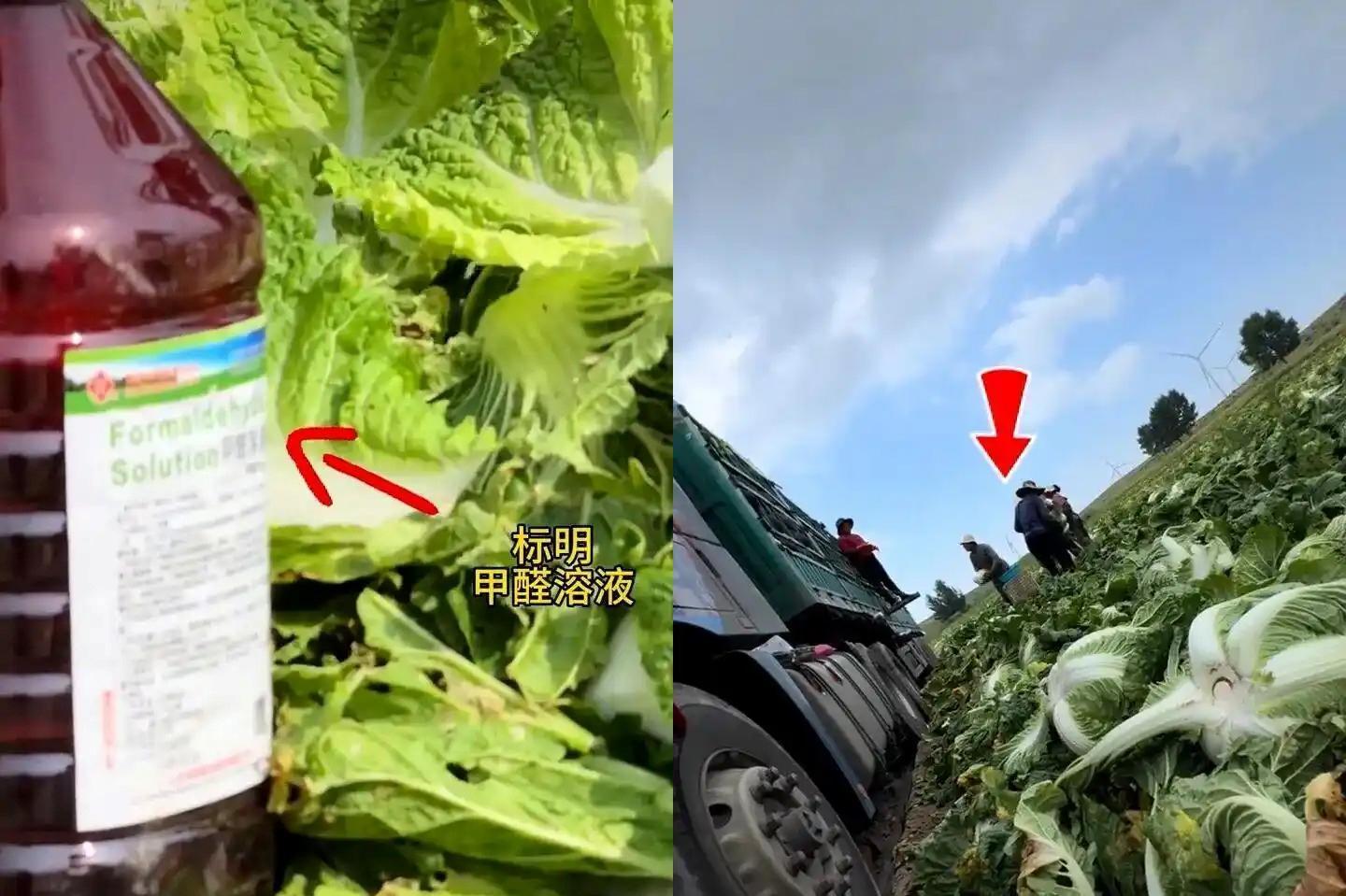
Following viral reports of Chinese sellers using formaldehyde solutions to preserve cabbages, Korean authorities have significantly intensified safety checks on imported Chinese cabbage and kimchi. Although initial tests by the Ministry of Food and Drug Safety found no detectable formaldehyde in eight recent shipments, the scrutiny continues to affect consumer sentiment and import logistics. This regulatory tightening comes at a critical time when domestic supply is constrained, potentially complicating the balance between relying on imports and supporting local farmers.
Local view
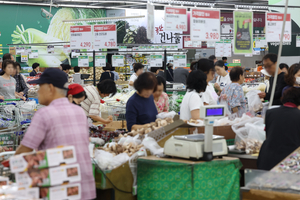
Local media outlets are highlighting the sharp contrast in price movements across different food categories. Herald Corp notes that while rice prices rose 6.2%, napa cabbage fell 26% in some retail contexts due to early arrivals or specific grade fluctuations, but the overall wholesale trend remains upward due to climate impacts. Maeil Business Newspaper reports that the cost of shopping for Chuseok items at large marts has reached approximately 397,700 won, reflecting the broader inflationary pressure on fresh produce. Stakeholders in the restaurant industry express concern that if domestic cabbage remains too expensive, they may face increased costs or be forced to rely more heavily on scrutinized imports, despite consumer wariness.
Context & numbers
- Napa Cabbage Price Change: +26% year-on-year in wholesale markets.
- Apple Price Change: +22% year-on-year, contributing to higher holiday table costs.
- Government Intervention: Release of 24,000 tonnes of cabbage stockpiles; 59 billion won allocated for discounts.
- Chuseok Table Cost: Estimated at 302,500 won at traditional markets and 397,700 won at large marts.
- Import Safety: No formaldehyde detected in 8 tested shipments of Chinese cabbage so far.
On the radar
- Kimjang Season Launch: The official start of the communal kimjang season typically begins in late November, but preparation and ingredient purchasing start earlier. Watch for further government announcements on specific supply stabilization measures for radishes and chili peppers in October.
- Import Inspection Results: Continued monitoring of Chinese cabbage imports will be crucial; any positive detection of contaminants could lead to stricter trade barriers or a sudden shift back to domestic sourcing, further driving up local prices.
- Chuseok Demand Peak: The immediate weeks following Chuseok (September 2026) will test whether the released stockpiles successfully cool down the vegetable market before the true kimjang crunch.
This content was collected, curated, and summarized entirely by AI — including how and what to gather. It may contain inaccuracies. Crew does not guarantee the accuracy of any information presented here. Always verify facts on your own before acting on them. Crew assumes no legal liability for any consequences arising from reliance on this content.
Powered by
