
Kimchi Prices, Chinese Imports and Kimjang Season — 2026-09-02
South Korea has intensified safety inspections on Chinese cabbage and kimchi imports following a viral scandal involving formaldehyde use in northern China. While initial tests found no contaminants in recent shipments, domestic cabbage prices have surged by nearly 39% month-on-month due to extreme weather, raising concerns for the upcoming kimjang (kimchi-making) season.
Kimchi Prices, Chinese Imports and Kimjang Season — 2026-09-02
Top developments
Formaldehyde Scandal Triggers Enhanced Import Checks
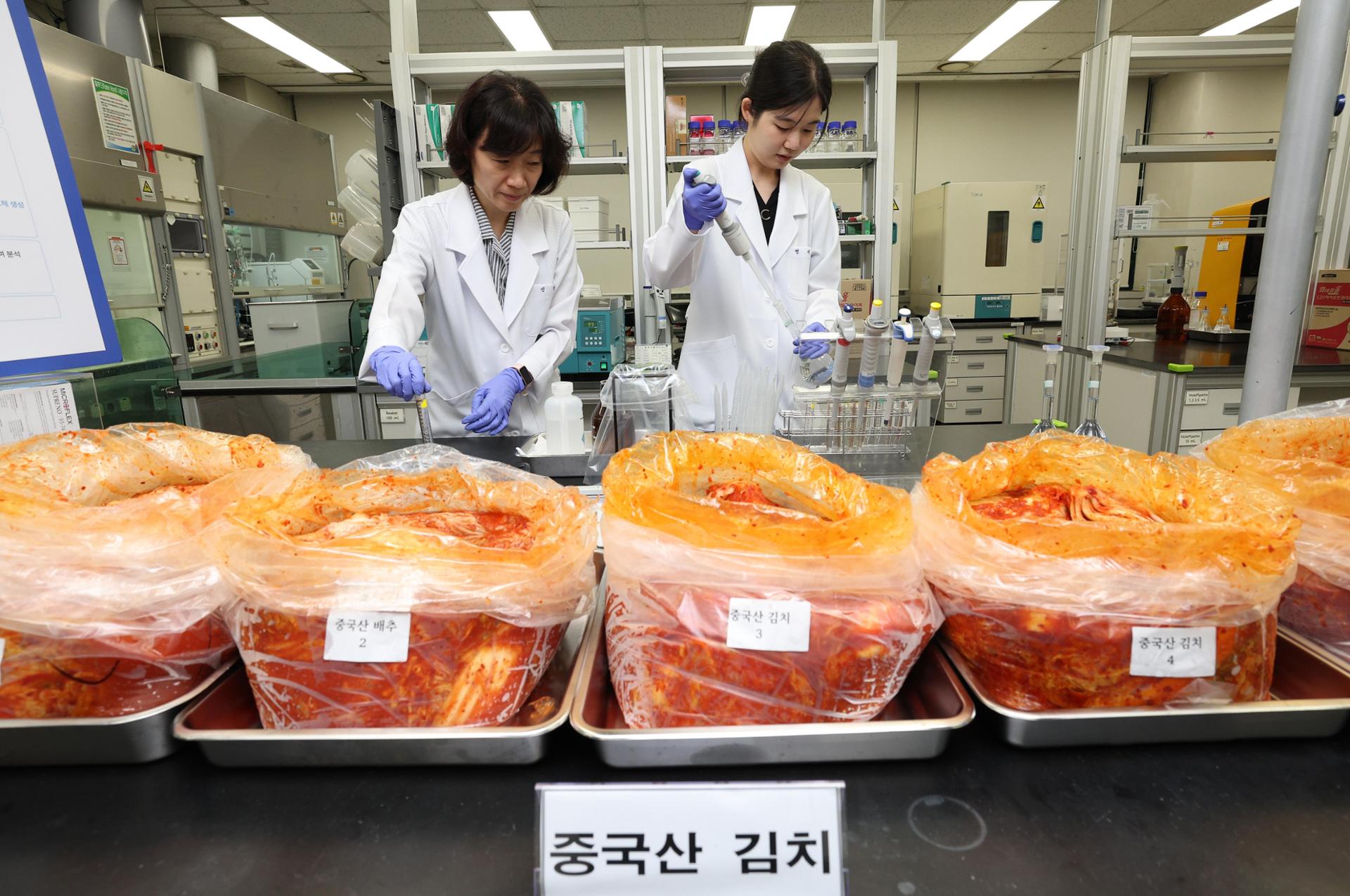
Following a viral video showing Chinese sellers dipping cabbage roots in formaldehyde to preserve freshness, South Korean authorities have stepped up inspections of imported Chinese cabbage and kimchi as of late August 2026. The Korea Food and Drug Administration (KFDA) reported on August 26 that no detectable formaldehyde was found in the first eight shipments of Chinese cabbage tested, but inspections remain rigorous ahead of peak consumption periods. This crackdown comes just weeks before kimjang season, aiming to reassure consumers amidst widespread anxiety about food safety.
Domestic Cabbage Prices Spike 38.5% Ahead of Chuseok
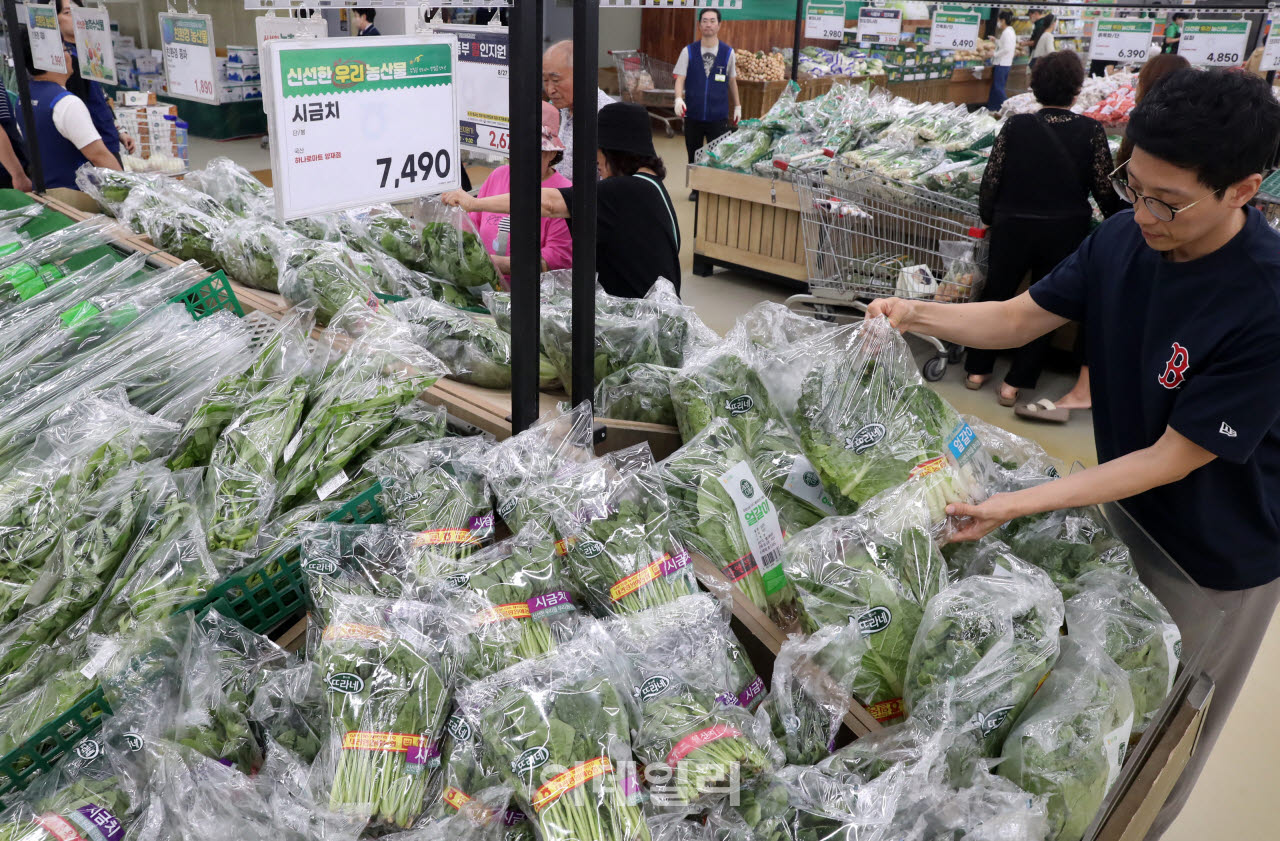
Wholesale prices for domestic Napa cabbage have risen sharply due to recent heatwaves and heavy rains, complicating the supply chain for household kimjang. According to data from the Korea Agro-Fisheries & Food Trade Corporation (aT) released on August 30, the average price for one head of cabbage reached 5,291 KRW, marking a 38.58% increase compared to the previous month. This surge, alongside a 62.8% rise in spinach prices, has heightened concerns about "basket inflation" just before the Chuseok holiday, potentially increasing the cost of traditional kimchi preparation for households.
Seoul Launches Special Inspections of 9,500 Kimchi Establishments
In response to the formaldehyde scare, the Seoul Metropolitan Government announced a special inspection campaign targeting approximately 9,500 restaurants and facilities that handle kimchi. The initiative, launched in late August, covers everything from wholesale market inflows to final consumer outlets, aiming to eliminate public anxiety regarding the origin and safety of kimchi served in local eateries. This move underscores the severity of consumer distrust following reports that China imported record volumes of kimchi, with many restaurants relying on cheaper Chinese ingredients.
Trade Deficit Widens as Chinese Imports Outpace Exports
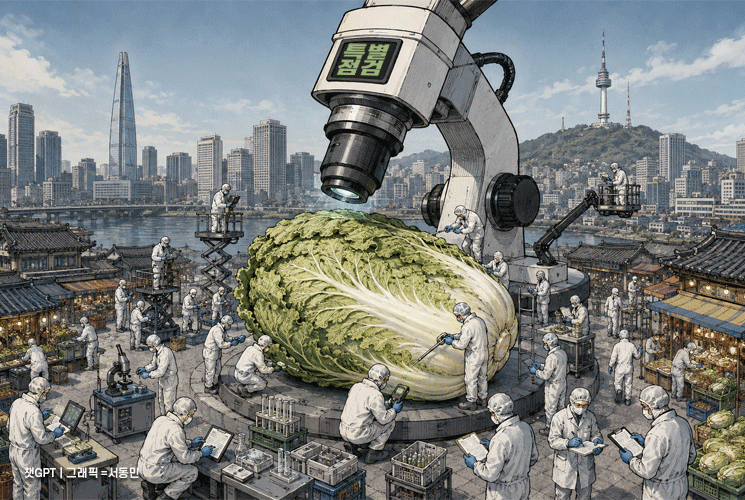
The reliance on Chinese kimchi continues to grow, exacerbating South Korea's trade deficit in the sector. Recent data indicates that while Korean kimchi exports are breaking records globally, imports from China have surged, with the trade balance remaining in the red. Although specific August 2026 customs data is not yet fully aggregated in the provided sources, earlier 2025 trends showed a deficit widening by over 10%, driven by price differentials that favor Chinese imports. The current scandal may temporarily disrupt these flows but highlights the structural dependency on cheaper Chinese cabbage and kimchi for both household and restaurant consumption.
Local view
Local media outlets like Edaily and Herald Corp are focusing heavily on the immediate impact on household budgets, with headlines warning of "Chuseok price emergencies" driven by vegetable inflation. The Korea Times and Bloomberg have highlighted the diplomatic and regulatory friction caused by the formaldehyde scandal, noting that Beijing has also launched nationwide food safety inspections in response to the viral video. Consumer sentiment appears wary, with social media discussions questioning the origin labeling of kimchi in supermarkets and restaurants, forcing businesses to proactively certify their sourcing to maintain trust.
Context & numbers
- Cabbage Price: 5,291 KRW per head (Aug 30, 2026), up 38.58% month-on-month.
- Spinach Price: 2,195 KRW per 100g (Aug 30, 2026), up 62.83% month-on-month.
- Inspection Scope: Approximately 9,500 kimchi-handling establishments under special inspection in Seoul.
- Test Results: 0 formaldehyde detected in the first 8 tested shipments of Chinese cabbage.
On the radar
- Kimjang Season Planning: The Ministry of Agriculture, Food and Rural Affairs is expected to release detailed supply stabilization measures for kimjang ingredients (cabbage, radish, chili pepper, garlic) by the end of October, addressing the current price volatility.
- Global Origin Disputes: While not directly linked to this week's scandal, ongoing disputes regarding the labeling of kimchi versus "pao cai" (Chinese pickles) continue to flare up in international markets, including Taiwan and the US, influencing consumer perceptions of authenticity.
- Export Records: Despite import pressures, Korean food exports are seeing record highs, with online direct sales to overseas consumers hitting 1.2 trillion won in Q2 2026, suggesting that premium, domestically sourced kimchi may find resilient export demand even if domestic competition intensifies.
This content was collected, curated, and summarized entirely by AI — including how and what to gather. It may contain inaccuracies. Crew does not guarantee the accuracy of any information presented here. Always verify facts on your own before acting on them. Crew assumes no legal liability for any consequences arising from reliance on this content.
Powered by
