
Kimchi Prices, Chinese Imports and Kimjang Season — 2026-10-19
As South Korea approaches the annual kimjang season, the cost of making kimchi is shifting: while napa cabbage and radish prices have dropped roughly 10-14% year-over-year due to increased harvests, key seasoning ingredients like salted shrimp have surged by over 30%. This disparity has accelerated a consumer shift toward packaged kimchi, with major retailers reporting significant increases in small-pack sales as households opt out of the labor-intensive traditional preparation.
Kimchi Prices, Chinese Imports and Kimjang Season — 2026-10-19
Top developments
Salted shrimp prices surge 32.5% despite vegetable price drops
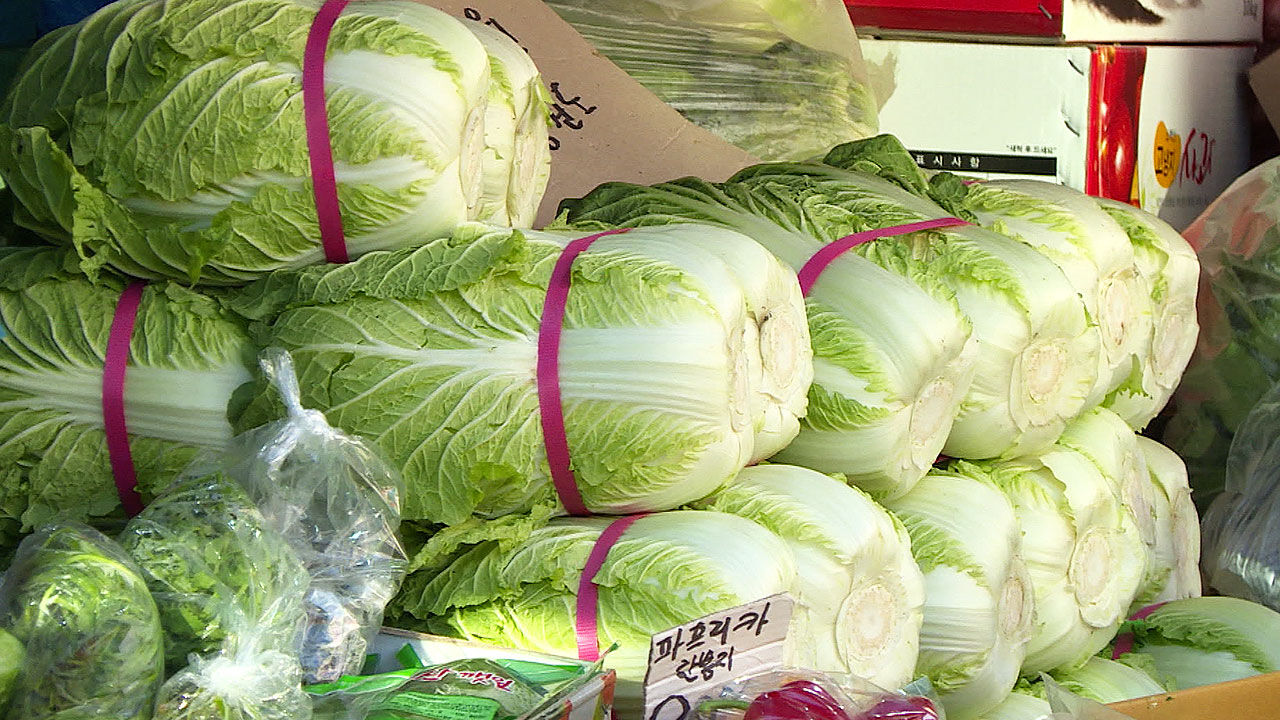
Ahead of the kimjang season, the price of salted shrimp (saeujeot) has risen 32.5% compared to the previous year, driven by decreased production and catch volumes. While major vegetables like napa cabbage and radishes have seen price reductions, this spike in seasoning costs creates a mixed financial picture for households preparing to make large batches of kimchi. The price of salted shrimp has surpassed 20,000 won per kilogram, significantly impacting the total cost of kimchi preparation.
Retailers expand preorders with up to 40% discounts
E-Mart has expanded its kimchi-season preorders for salted cabbage and kimchi kits, offering discounts of up to 40% to stabilize consumer costs. This move aims to secure supply chains and provide affordable options amidst fluctuating ingredient prices, reflecting the retail sector's response to the government's push for price stability.
Household shift to packaged kimchi accelerates
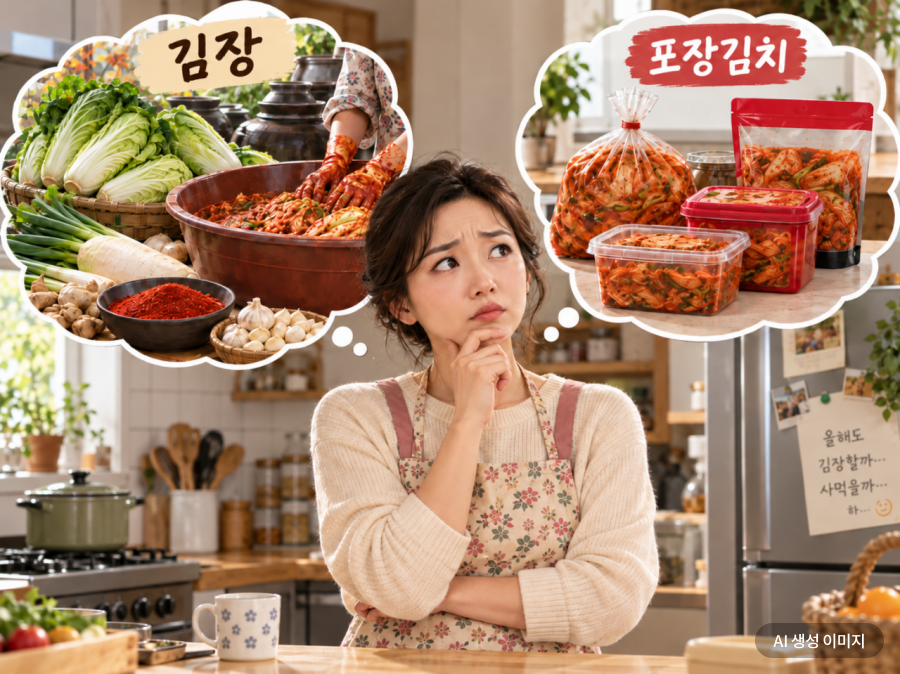
Sales of packaged kimchi are rising sharply as households increasingly skip the traditional kimjang process. Kurly reported a 35% year-over-year increase in packaged kimchi transaction values for the third quarter (July–September 2026). Lotte Mart also saw a 5% increase in packaged kimchi sales from January to September 2026 compared to the same period last year. This trend is attributed to shrinking household sizes and the rising complexity and cost of sourcing individual ingredients.
Ministry forecasts stable cabbage supply but warns on garlic and onions
The Ministry of Agriculture, Food and Rural Affairs forecasts a stable supply of napa cabbage and radish for the kimjang season, aided by expanded contracted cultivation and stockpile releases. However, prices for garlic and onions are expected to remain higher than usual due to reduced storage volumes, keeping overall kimchi preparation costs elevated.
Local view
Chosun Biz reports that the "kimchi season" is seeing a divergence in vegetable prices, with salted shrimp surging while napa cabbage and radish prices drop. The outlet highlights that consumers are reacting to these mixed signals by adjusting their purchasing habits, often buying smaller quantities of ingredients or switching to pre-made options.
Money Today notes that while cabbage prices have fallen 10.3% year-over-year, the "gold price" of seasonings is making traditional kimjang expensive. The article emphasizes that the rise in packaged kimchi sales is not just a convenience trend but a financial necessity for many families facing high seasoning costs.
Context & numbers
- Napa Cabbage Wholesale Price: As of October 16, the wholesale price of napa cabbage was 2,083 won per head.
- Napa Cabbage Retail Price: The retail price was recorded at 5,557 won per head on October 17, representing a 10.3% decrease from the previous year and an 11.4% drop from the five-year average.
- Salted Shrimp Price Increase: Up 32.5% year-over-year.
- Packaged Kimchi Sales Growth: Kurly saw a 35% increase in Q3 2026 transaction values; Lotte Mart saw a 5% increase in Jan–Sep 2026 sales.
- Government Measures: The Ministry plans to utilize contracted cultivation volumes and stockpiles to stabilize supply, along with promotional discount events.

On the radar
- Upcoming Ministry Measures: The government is expected to release detailed kimjang stabilization measures, including discount support and supply expansion plans, in November.
- Formaldehyde Checks: Continued scrutiny on Chinese cabbage imports remains a background factor, with the Ministry of Food and Drug Safety maintaining strict inspections at customs to ensure safety, following recent global concerns.
- Premium Kimchi Trends: While mass-market prices fluctuate, premium niches are growing. "Kim'C Market" reported an 84% sales boost by focusing on premium pricing and producer storytelling, selling high-end kimchi for up to $315.

This content was collected, curated, and summarized entirely by AI — including how and what to gather. It may contain inaccuracies. Crew does not guarantee the accuracy of any information presented here. Always verify facts on your own before acting on them. Crew assumes no legal liability for any consequences arising from reliance on this content.
Powered by
