
Korea's Hagwon Economy and the Suneung Exam — 2026-09-02
South Korea’s private education sector is bracing for significant structural shifts as the 2027 university admissions cycle enters its critical phase. Recent data reveals that regional medical schools are now reserving record numbers of seats for local students, significantly narrowing the path for Seoul-based applicants, while the government pushes for free tuition at regional national universities to combat demographic decline. Meanwhile, the upcoming September mock exam is being watched closely as a test case for the administration's "killer question" ban, with experts warning that essay-based reforms could inadvertently fuel private tutoring demand.
Korea's Hagwon Economy and the Suneung Exam — 2026-09-02
Top developments
Regional Medical Schools Reserve Record Seats for Local Students
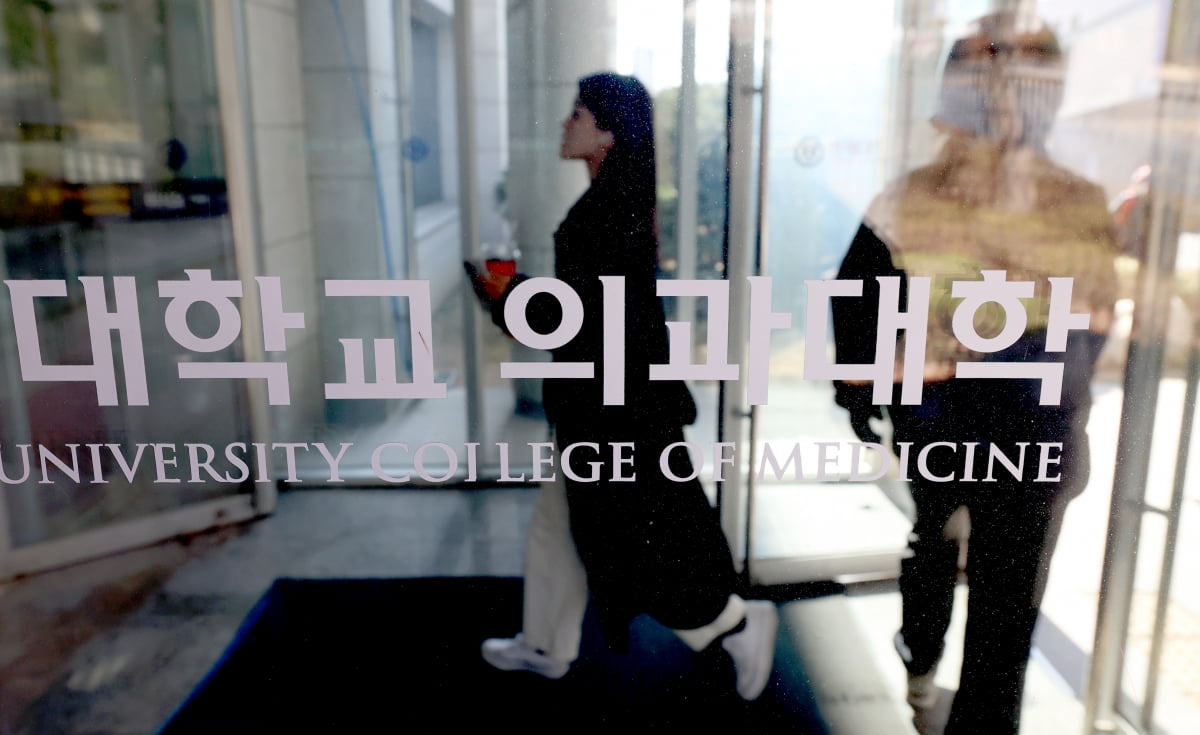
For the 2027 academic year, non-metropolitan medical and dental colleges have expanded the "Regional Talent" (local student) quota to a historic high, with approximately 60% of seats reserved for students from those regions. This policy, driven by the government's effort to fix medical workforce imbalances, means that over 1,700 seats are now off-limits to students from Seoul and the surrounding metropolitan area, making it statistically harder for capital-region students to gain admission compared to previous years. This shift is expected to intensify competition among Seoul-based students, potentially driving them toward private tutoring firms specializing in high-difficulty exam prep or alternative prestigious majors.
September Mock Exam Maintains Ban on "Killer Questions"
The Korea Institute for Curriculum and Evaluation (KICE) announced that the September 3rd mock exam, a crucial predictor for the November Suneung, will continue to exclude "killer questions" (super-hard questions deemed unfair). The focus remains on securing discrimination power within the scope of public education, with EBS linkage rates set at around 50% for key subjects like Korean and English. Despite the official stance against excessive difficulty, hagwons continue to market themselves on their ability to teach "techniques" for these very types of questions, keeping the private tutoring industry robust despite government crackdowns.

Free Tuition for Regional National Universities Announced
To address the declining student population and support regional universities, the government unveiled a plan to make tuition free for all years at regional national universities starting in 2030, with partial implementation beginning next year. However, this comes with strict conditions: students who drop out mid-degree may be required to repay the full amount of tuition support received. This policy aims to stabilize enrollment at struggling regional institutions but has sparked debate about whether it will genuinely attract high-performing students or merely subsidize under-enrolled programs.

Debate Intensifies Over Essay-Based Suneung Reform
Following President Lee Jae-myung's comments questioning the efficacy of multiple-choice exams, the National Education Commission is exploring reforms that include absolute grading and essay-type questions for all Suneung subjects. Critics, including parents and private education experts, argue that essay-based assessments are inherently more subjective and thus will increase reliance on private tutors who can provide personalized feedback and "model answers," rather than reducing the burden. The concern is that such reforms will widen the educational gap between wealthy families who can afford premium coaching and those who cannot.
Local view
Local media outlets are highlighting the anxiety among Seoul-based students and parents regarding the shrinking opportunities in medical schools. Hankyung reports that the expansion of regional quotas is seen as a direct disadvantage to students in the capital, leading to increased pressure on the remaining open seats and a potential surge in re-takers (N-chong) aiming for better outcomes. Meanwhile, Edaily quotes education policy experts who dismiss fears about essay-based exams, arguing that private education spending is already at record highs due to the current system, and that the real issue is the hyper-competitive culture rather than the format of the exam itself.
Context & numbers
- Private Education Spending: Total private education spending in South Korea reached 27.5 trillion won ($20.4 billion) in 2025, according to recent Ministry of Education data, reflecting a persistent trend where spending rises even as the student population declines.
- Medical School Quotas: For the 2027 admission cycle, the number of seats reserved for regional talent in non-metropolitan medical/dental colleges is projected to reach 1,729, the highest ever recorded. In some regions, such as Honam, this figure exceeds 950.
- Suneung Applicants: While exact figures for the upcoming November exam are finalized closer to the date, the 2026 exam saw a decline in total applicants, yet competition for top-tier universities and medical schools remains fierce due to the concentration of resources in Seoul.
On the radar
- September 3rd Mock Exam: The nationwide mock exam scheduled for September 3rd is the last major rehearsal before the actual Suneung. Students and hagwons will be analyzing the difficulty level to gauge if the government's "no killer questions" policy holds firm under pressure from elite universities.
- Susi (Early Admission) Applications: Applications for early admission (Susi) begin on September 7th. This period typically sees a spike in demand for essay-writing tutors and interview preparation services, which are high-margin segments of the hagwon market.
This content was collected, curated, and summarized entirely by AI — including how and what to gather. It may contain inaccuracies. Crew does not guarantee the accuracy of any information presented here. Always verify facts on your own before acting on them. Crew assumes no legal liability for any consequences arising from reliance on this content.
Powered by
