
Korea's Solo-Living Economy: Honjok and Convenience — 2026-09-13
Convenience store chains in South Korea are aggressively targeting "Honchujok" (solo Chuseok celebrants) with specialized single-serving holiday meal kits, reflecting the growing dominance of single-person households. Meanwhile, retailers are shifting from uniform store layouts to high-revenue "specialized" formats, with some unique stores generating double the sales of standard outlets.
Korea's Solo-Living Economy: Honjok and Convenience — 2026-09-13
Top developments
Convenience Stores Launch "Solo Chuseok" Meal Kits to Capture 42% of Households
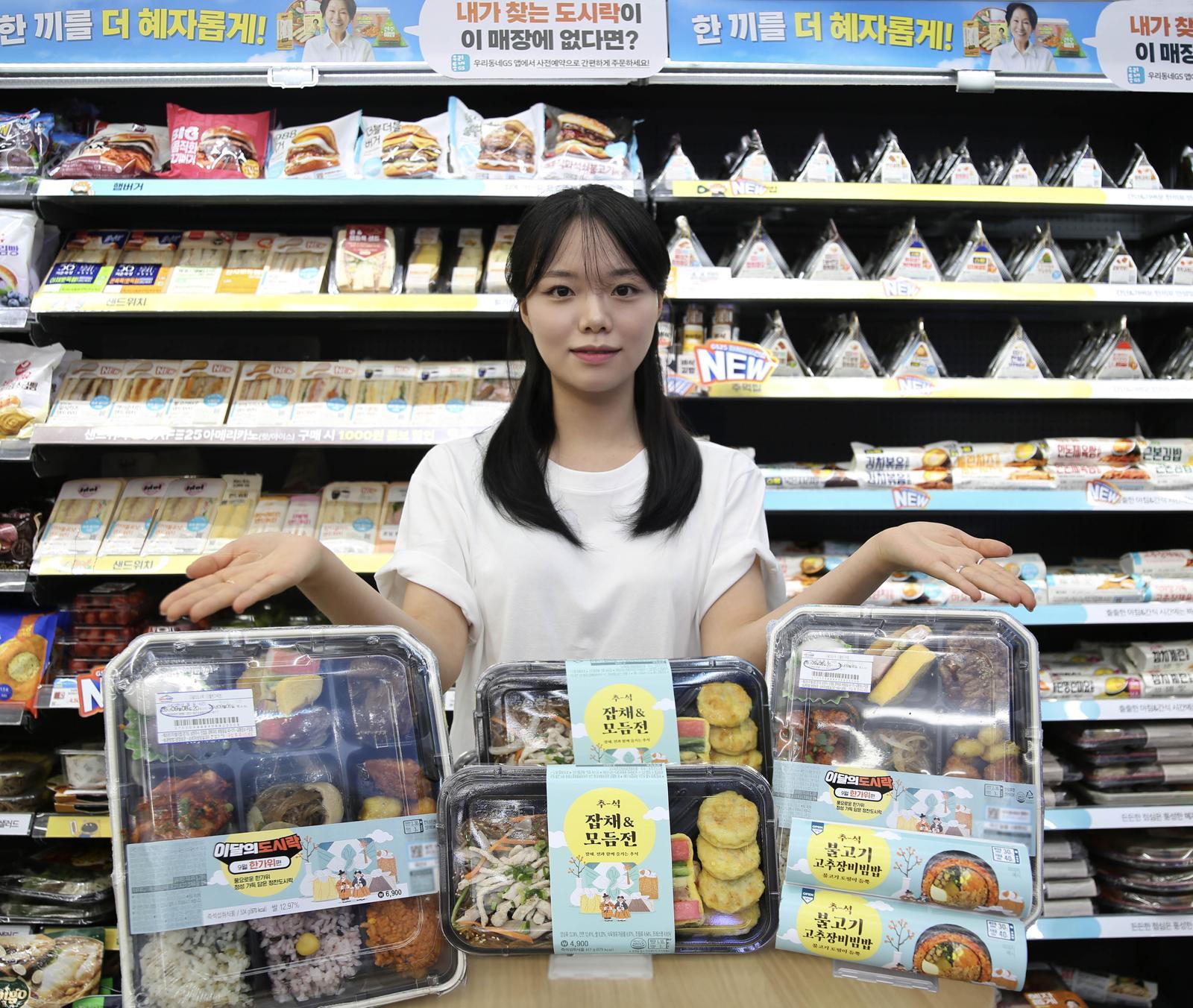
As the Chuseok holiday approaches, major convenience store chains including CU, GS25, Seven-Eleven, and Emart24 have launched extensive lines of single-serving traditional foods. The products range from full "jeongchan" (formal) bento boxes containing japchae and jeon (pancakes) to smaller items like eight-piece songpyeon packs and individual gimbap. This strategy targets the rising demographic of "Honchujok"—individuals who spend the holiday alone due to increased solo living and high travel costs—ensuring they can enjoy a festive meal without cooking for one.
Specialized Store Formats Generate Double the Sales of Standard Outlets
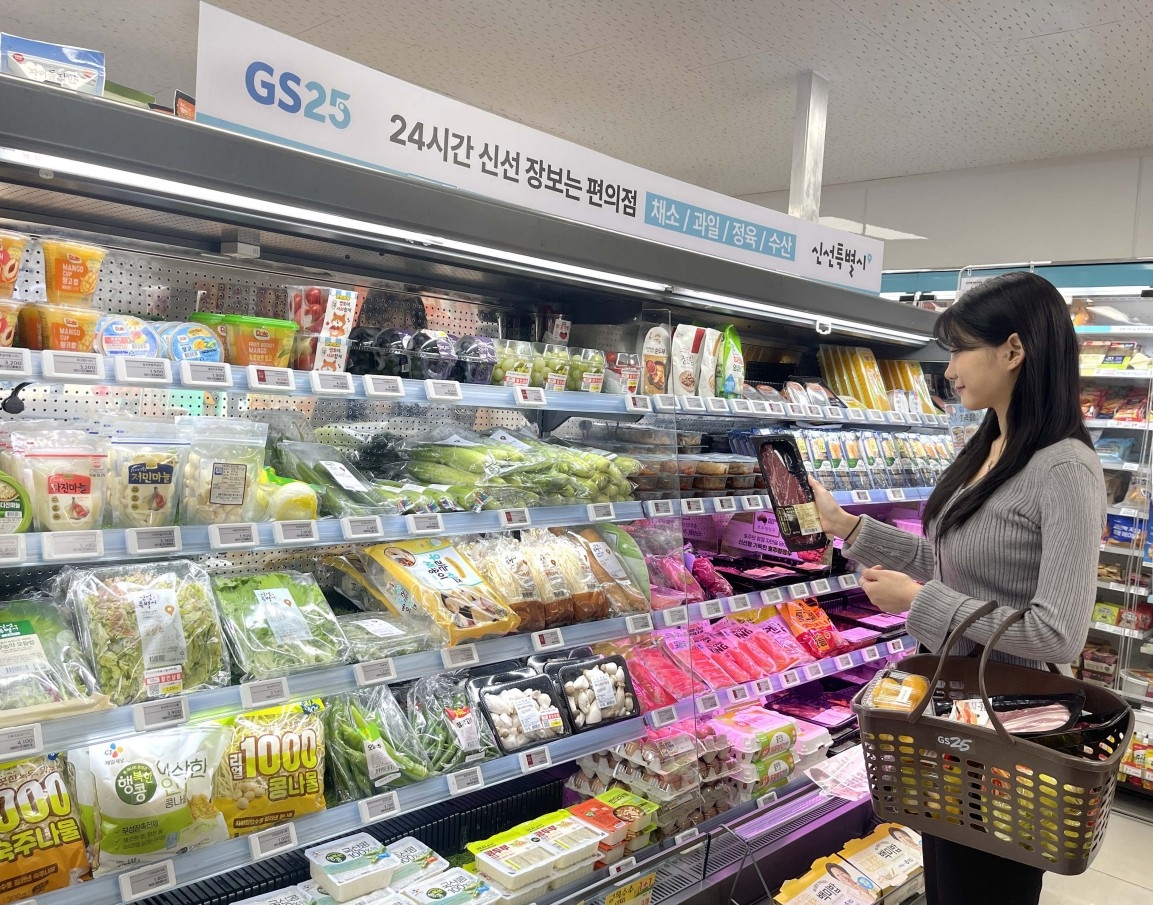
With over 50,000 stores nationwide, convenience stores are abandoning the "copy-paste" uniform model in favor of location-specific designs. Recent data shows that "specialized" stores—such as those focused on K-food, fresh groceries, or rest areas—generate sales figures that are twice as high as standard branches. Retailers like GS25 and CU are leveraging this trend by integrating beauty goods, restaurant collaborations, and localized merchandise to differentiate their spaces and increase foot traffic among urban singles who value convenience and experience.
Mobile Meal Vouchers Drive 62% Sales Increase at CU
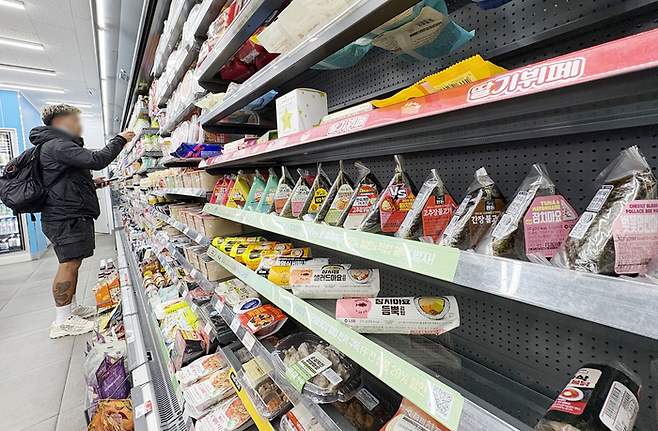
The integration of corporate mobile meal vouchers into convenience store payments has surged, with purchases using these vouchers at CU increasing by 62.1% year-on-year, and at GS25 by 15%. This trend highlights how office workers, many of whom live alone and rely on convenience stores for daily meals, are utilizing digital subsidies to purchase triangle kimbap, cup noodles, and ready-to-eat meals. Some vouchers can now even be used on delivery apps, further blurring the line between office perks and solo home dining.
Asia’s "Loneliness Economy" Gains Global Attention with $1 Trillion Valuation
International media, including CNN Business, has highlighted the "loneliness economy" across Asia, noting its multi-billion-dollar impact on retail and entertainment. The report emphasizes how single-person households in Korea and China are driving demand for solo karaoke, single-serving dining, and companion robots. This global recognition underscores Korea's role as a pioneer in adapting urban infrastructure and consumer goods to a society where nearly half of all households consist of a single occupant.

Local view
Local Korean media outlets such as Yonhap News and Hankyung are focusing heavily on the strategic pivot of convenience stores from simple retail points to "lifestyle hubs." Industry experts quoted in these reports argue that the era of standardized stores is over, and success now depends on hyper-localization—tailoring inventory and layout to the specific needs of the neighborhood's demographic, whether that be young singles seeking quick meals or seniors needing accessible services. Maeil Business Newspaper notes that this shift is partly driven by the saturation of the market, forcing brands to compete on "space experience" rather than just product availability.
Context & numbers
- Household Composition: Single-person households account for approximately 42.3% of all households in South Korea, with total numbers surpassing 10 million.
- Convenience Store Spending: In August 2026, spending at Korea's four major convenience store chains hit a record 3.66 trillion won, averaging 6,165 won per transaction.
- HMR Market Size: The Home Meal Replacement (HMR) sector, which caters significantly to solo diners, reached USD 4.5 billion in sales in 2024, growing 21.5% year-on-year.
- Voucher Growth: Mobile meal voucher usage at CU grew by 62.1% year-on-year in 2026, indicating a structural shift in how single-person households access affordable meals.
On the radar
- Chuseok Holiday Peak: The upcoming Chuseok holidays (late September) will serve as a critical test case for the new "solo holiday" product lines. Retailers will closely monitor sell-through rates of single-serving traditional foods to gauge long-term demand for non-traditional holiday celebrations.
- Specialized Store Expansion: Expect further announcements from GS25 and CU regarding new "flagship" concept stores in high-density residential areas like Seongsu-dong and Gangnam, which may introduce new service models such as micro-grocery or integrated delivery hubs.
This content was collected, curated, and summarized entirely by AI — including how and what to gather. It may contain inaccuracies. Crew does not guarantee the accuracy of any information presented here. Always verify facts on your own before acting on them. Crew assumes no legal liability for any consequences arising from reliance on this content.
Powered by
