
Korea's Solo-Living Economy: Honjok and Convenience — 2026-09-20
Korea's convenience store sector recorded a record monthly payment volume of 3.6 trillion KRW in August, driven by solo households using stores as primary grocery channels. New data reveals a shift in "honbap" (solo dining) toward premium experiences, with solo diners increasingly spending over 50,000 KRW per meal.
Korea's Solo-Living Economy: Honjok and Convenience — 2026-09-20
Top developments
Convenience stores hit record 3.6 trillion KRW monthly sales
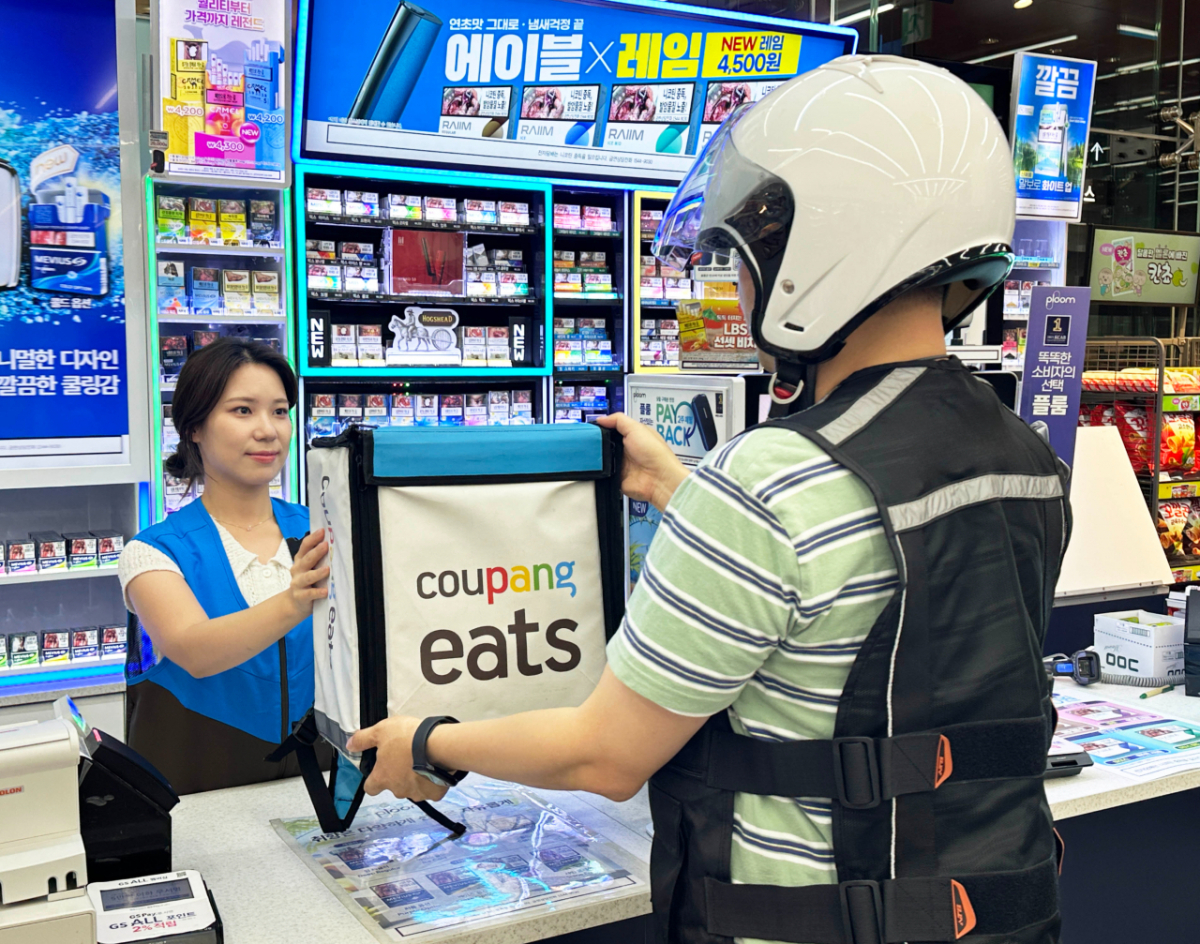
In August 2026, the four major Korean convenience store chains (GS25, CU, 7-Eleven, and Emart24) achieved their highest-ever monthly payment volume of 3.6 trillion KRW. This surge is attributed to the rapid adoption of quick-commerce delivery and fresh food services, which have transformed convenience stores into essential grocery hubs for single-person households seeking immediate access to fresh ingredients and prepared meals
"Honbap" shifts to premium: Solo dining searches up 139%
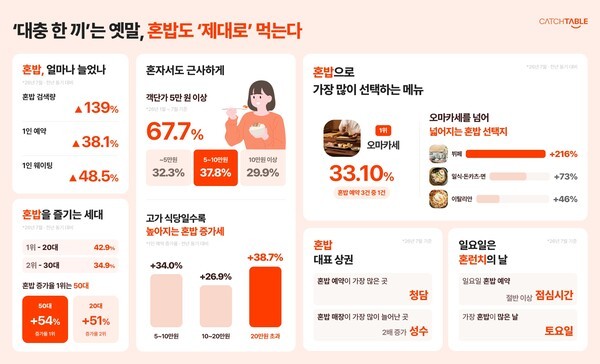
CatchTable, a restaurant reservation platform, released its "2026 Honbap Trend Report" on September 17, revealing that searches for solo dining increased by 139% year-on-year. The report highlights that 68% of solo reservations are now for meals costing over 50,000 KRW, with a notable rise in solo bookings for high-end restaurants where a single meal can exceed 200,000 KRW. This indicates that solo dining is no longer just about convenience but has become a preferred mode for premium culinary experiences
GS25 and CU launch collaborative food innovations
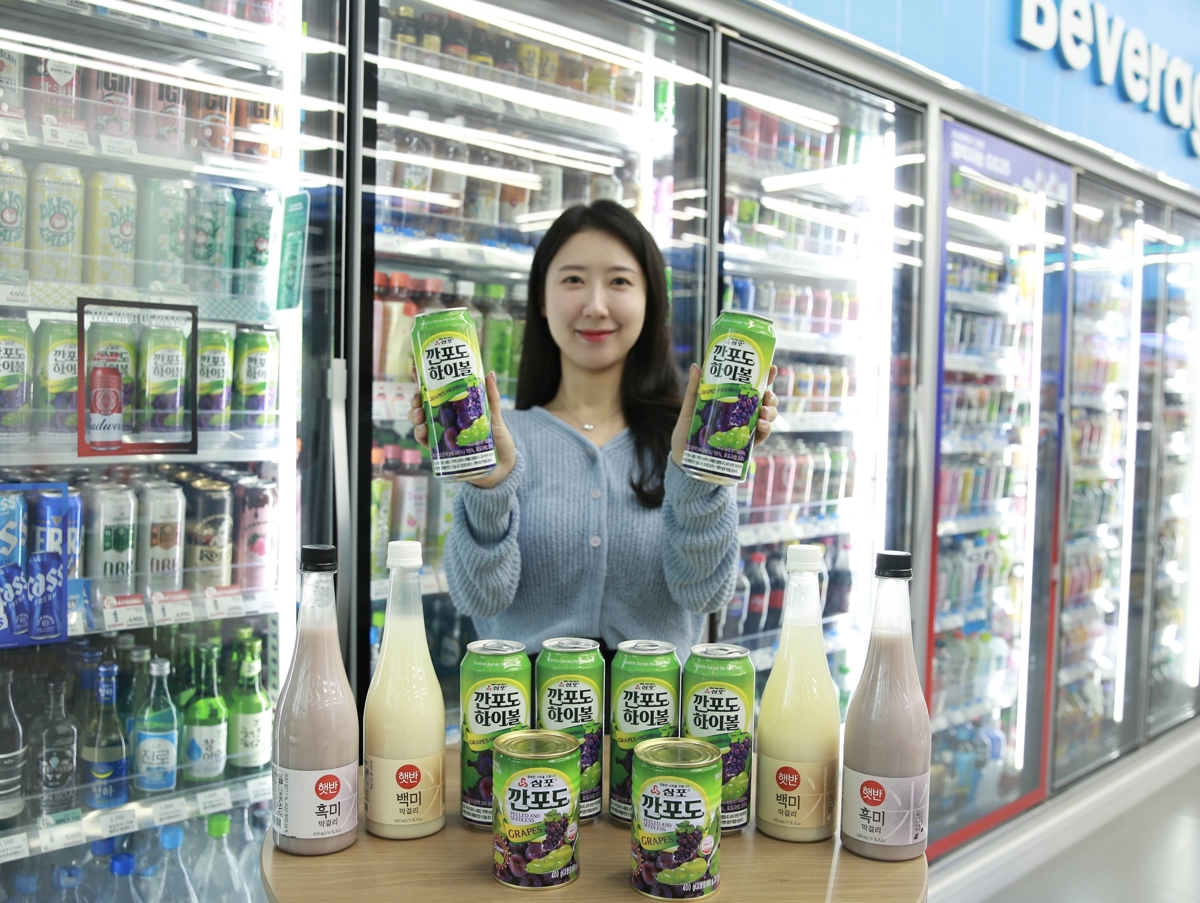
On September 19, GS25 and CU announced new product strategies targeting single consumers. GS25 launched "Hetban Baekmi Makgeolli," a rice-based alcoholic beverage combining the popular instant rice brand with traditional makgeolli, while CU introduced bento boxes based on winning recipes from a national high school culinary competition. These moves reflect the retailers' strategy to differentiate through unique, small-portion products tailored to the "honjok" demographic
Local view
Local financial media are analyzing the diverging performance of Korea's top two convenience store chains. While GS25 leads in total revenue, CU has demonstrated superior profitability and operational efficiency. Money Today notes that the industry's focus has shifted from store expansion to maximizing per-store revenue and profitability, driven by the stable demand from single-person households who prioritize proximity and speed over bulk purchasing
Context & numbers
- Household Structure: Single-person households now account for 36.1% of all households in South Korea (2024 data), with projections suggesting this will rise to 42.3% by 2037.
- Convenience Store Payments: The August 2026 monthly payment volume of 3.6 trillion KRW represents an all-time high for the sector, reflecting the deepening integration of convenience stores into daily life for solo dwellers.
- Solo Dining Spend: 68% of solo restaurant reservations are for meals priced above 50,000 KRW, signaling a premiumization of the "honbap" market.
On the radar
- Chuseok Solo Meals: With Chuseok approaching, convenience stores are heavily promoting "solo Chuseok" meal sets (including songpyeon and jeon) to capture the growing number of "honchujok" (those spending holidays alone).
- Solo Travel Growth: Global solo travel market projections indicate continued double-digit growth, with Korea remaining a top destination for solo female travelers due to improved safety infrastructure and transit options highlighted in recent travel guides.
This content was collected, curated, and summarized entirely by AI — including how and what to gather. It may contain inaccuracies. Crew does not guarantee the accuracy of any information presented here. Always verify facts on your own before acting on them. Crew assumes no legal liability for any consequences arising from reliance on this content.
Powered by
