
Korea's Solo-Living Economy: Honjok and Convenience — 2026-10-27
Seoul’s housing market is intensifying pressure on single-person households, with over 41% of monthly-rent apartment leases now exceeding 1 million won. Meanwhile, convenience stores are pivoting to high-margin "K-dessert" rice cakes and health-focused products to capture the evolving spending habits of the growing "honjok" (solo-living) demographic, particularly among older consumers.
Korea's Solo-Living Economy: Honjok and Convenience — 2026-10-27
Top developments
Seoul Rents Top 1 Million Won for 41% of Single-Person Leases
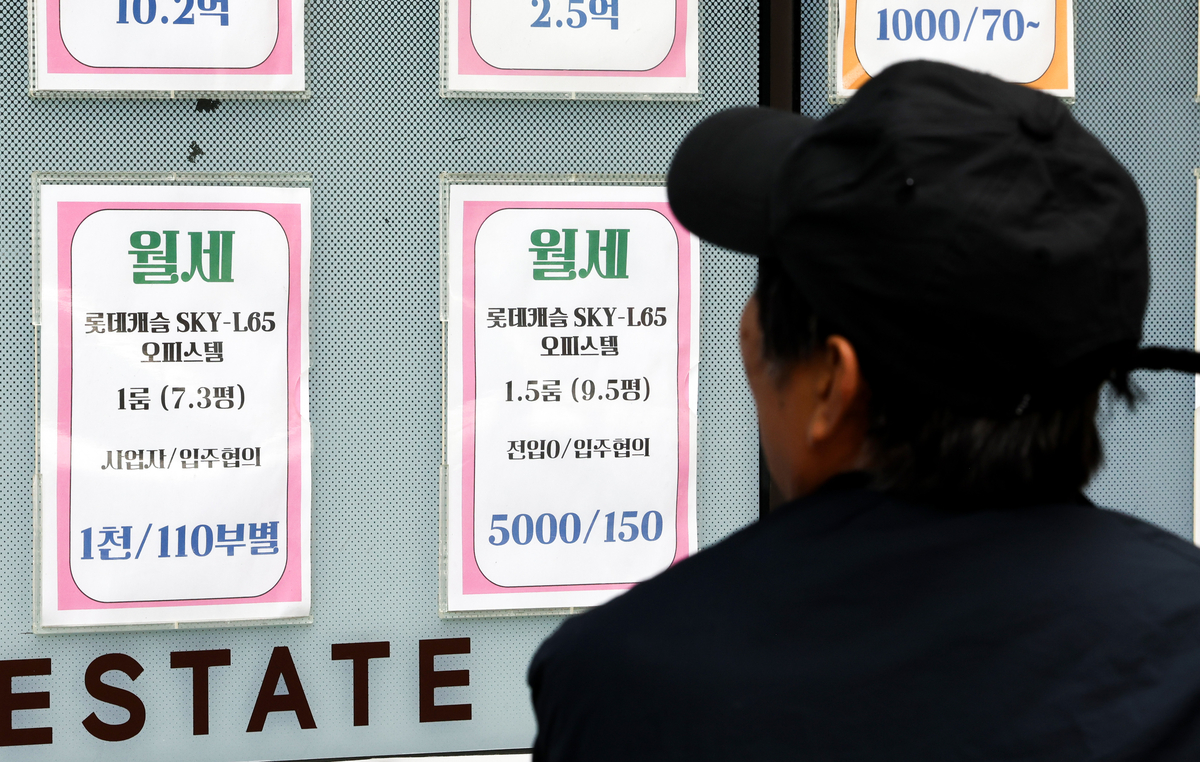
As of October 26, 2026, more than 41% of Seoul’s apartment monthly-rent (wolse) leases now exceed 1 million won, with the share reaching 71.5% for 84-square-meter units. This surge in housing costs is disproportionately affecting single-person households, who often occupy smaller, high-demand units in central districts. The financial strain underscores the economic vulnerability of the honjok demographic, who lack the shared financial buffer of multi-person households.
Convenience Stores Wage "Rice Cake War" for Solo Snackers
On October 26, 2026, major convenience store chains GS25, CU, and Seven-Eleven launched competing new rice cake (tteok) dessert lines, such as GS25’s "Pizza Seolgi" and Seven-Eleven’s pumpkin injeolmi, to cater to the "K-dessert" trend. These products are designed as single-serving, high-quality snacks that appeal to solo diners seeking premium experiences without the cost of a full meal. The move reflects a strategic shift from basic donburi meals to differentiated, impulse-buy desserts that drive higher margins for solo consumers.

Older Demographics Drive Convenience Store Spending
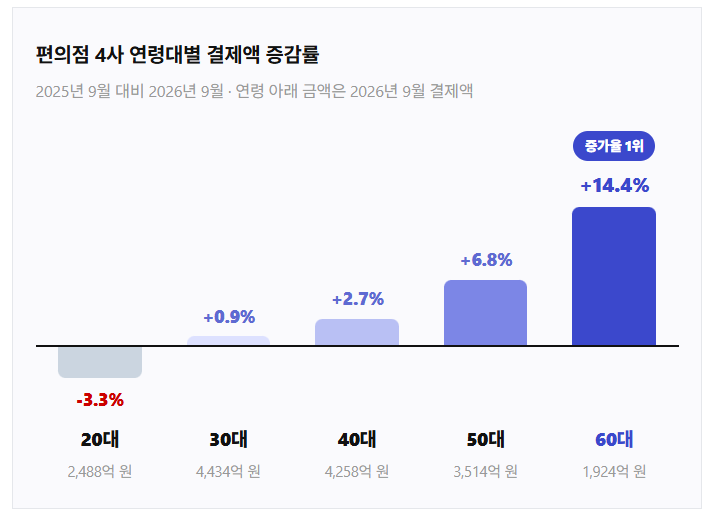
Data released on October 27, 2026, reveals that customers in their 60s saw a 14.4% increase in convenience store spending in September, while spending by those in their 20s decreased by 3.3%. This demographic shift indicates that the "solo economy" is no longer just a youth phenomenon; older single-person households are increasingly relying on convenience stores for daily necessities and meals, prompting retailers to adjust their product mixes and app interfaces for this aging cohort.
Health-Conscious Products Gain Traction Among Solo Diners
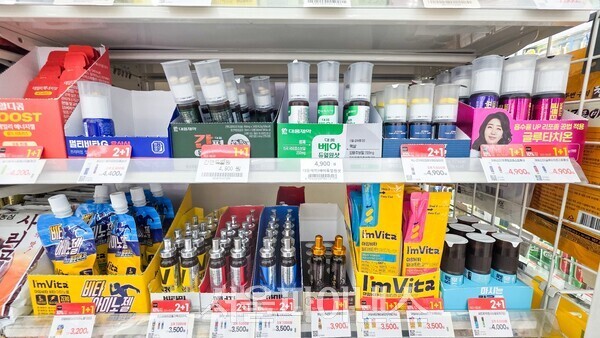
Convenience stores are aggressively expanding their inventory of health-functional foods and protein-rich products to meet the demand for "proper" solo meals (honbap) that are both convenient and nutritious. This trend aligns with the broader consumer desire to maintain health standards despite living alone, moving away from the stereotype of convenience store meals being unhealthy or low-quality.
Local view
Local media outlets like Seoul Economic Daily and Chosun Biz are highlighting the dual pressure on single-person households: rising living costs and changing consumption patterns. Chosun Biz notes that the "rice cake war" is not just about taste but about capturing the "pilgrimage" culture of tteok shops, making premium snacks accessible in a single-serving format. Meanwhile, SEN Money reports that convenience stores are leveraging government consumption promotion events to drive foot traffic for simple meals and kimbap, indicating a continued reliance on convenience stores as the primary grocery source for solo dwellers.
Context & numbers
- Housing Costs: 41% of Seoul’s monthly-rent apartment leases exceed 1 million won; 71.5% of 84-square-meter units exceed this threshold.
- Consumer Spending: South Korea’s total consumer spending rose to 285,021.60 trillion KRW in Q2 2026, up from 283,776 trillion KRW in Q1 2026.
- Solo Travel Market: The South Korean solo travel market is projected to reach $57.0 billion by 2033, growing at a CAGR of 17% from 2026.
- Demographic Shift: In September 2026, convenience store spending by people in their 60s increased by 14.4%, while spending by those in their 20s fell by 3.3%.
On the radar
- November 5, 2026: GS25 will begin nationwide sales of its "Pizza Seolgi" rice cake product, following a pre-order run of 5,000 units.
- Urban Space Redesign: Continued debate on capital region crowding, with Seoul Economic Daily noting that the capital holds 51.1% of the population but only 46.8% of the housing, leading to just 29 square meters of built-up space per person.
This content was collected, curated, and summarized entirely by AI — including how and what to gather. It may contain inaccuracies. Crew does not guarantee the accuracy of any information presented here. Always verify facts on your own before acting on them. Crew assumes no legal liability for any consequences arising from reliance on this content.
Powered by
