
Korea's Solo-Living Economy: Honjok and Convenience — 2026-10-13
South Korea's household structure is shifting rapidly, with two-person households surpassing 30% for the first time while single-person households remain dominant at over 42%. Concurrently, the retail sector is pivoting from basic convenience to health-focused and seasonal strategies, even as regulatory scrutiny on food safety intensifies.
Korea's Solo-Living Economy: Honjok and Convenience — 2026-10-13
Two-Person Households Surpass 30% for First Time
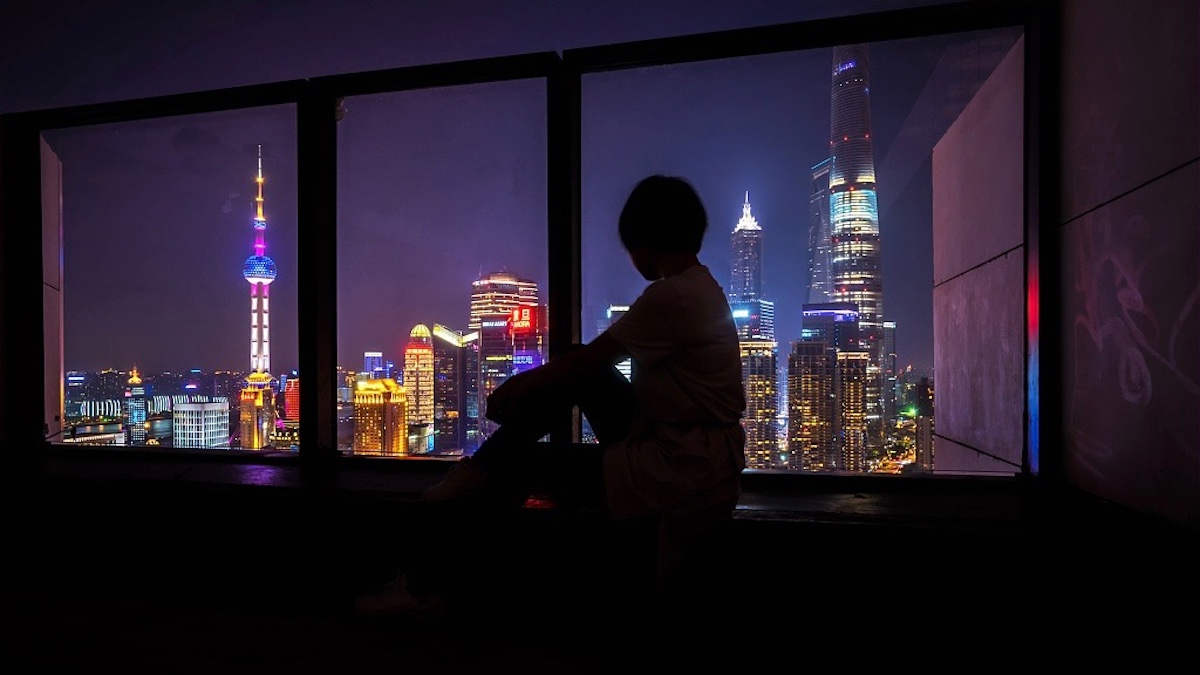
As of October 6, 2026, data from the Korea Herald indicates that two-person households are projected to account for more than 30% of South Korean households next year, marking the first time this demographic exceeds the combined share of three-person and larger families. This shift is driven largely by elderly couples and the continued rise of single-person households, which now constitute 42.3% of the total population according to recent UPI reporting. The trend highlights a structural change in family composition that directly impacts housing demand and consumer spending patterns.
Small Appliance Market Grows Despite Overall Slump
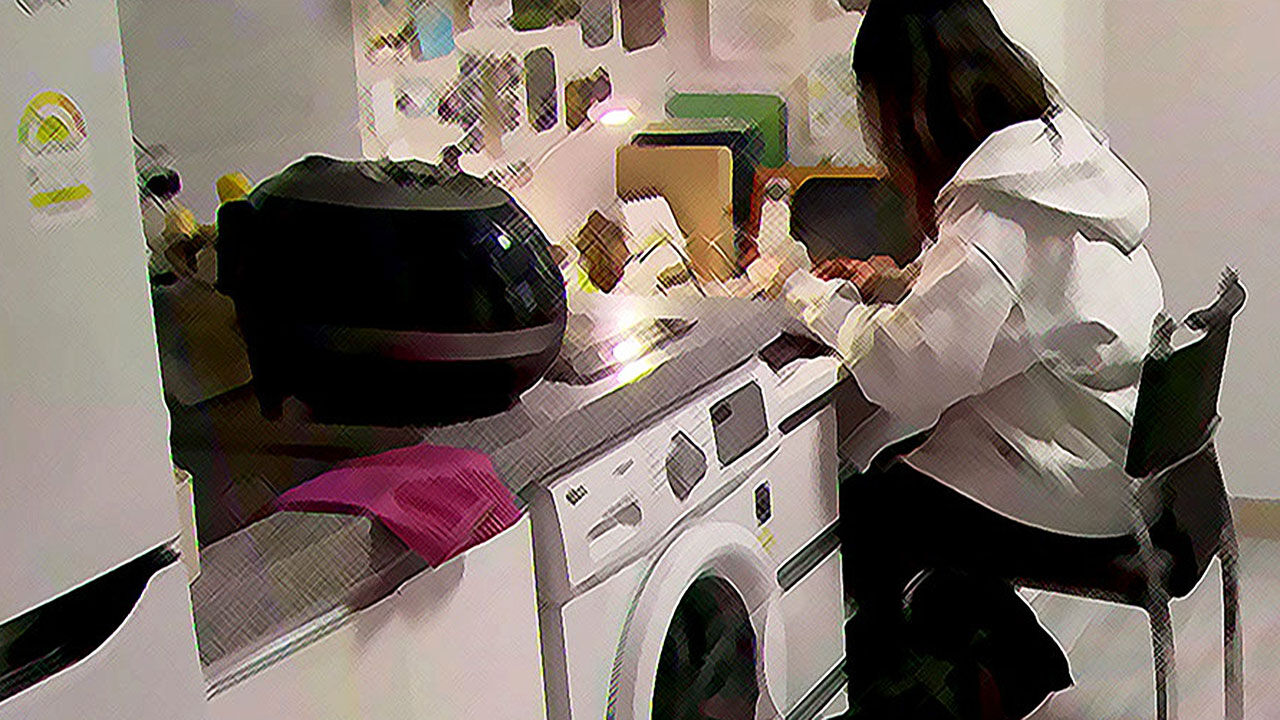
While the broader home appliance market faces headwinds, sales of small appliances tailored for single-person households are surging. The Chosun Ilbo reports that Minix’s "The Plender" food waste processor series surpassed 650,000 cumulative units sold by late September, with 100,000 units sold in just three months. This growth underscores the "honjok" economy's resilience, as single dwellers invest in compact, efficient technology to manage solo living tasks like food disposal and cleaning without the space or volume of traditional family-sized appliances.
Convenience Stores Pivot to Health and Seasonal Bundles
Convenience store retailers GS25 and CU are adjusting their food strategies to cater to health-conscious solo consumers and seasonal weather changes. GS25 has accelerated the launch of its instant fish cake (eomuk) line by two weeks in response to dropping temperatures, seeing a 74% increase in sales for products sold below 15 degrees Celsius. Meanwhile, CU has seen its "Big Triangle Kimbap" account for over 50% of its kimbap sales, reflecting a preference for hearty, single-serve meals. These moves highlight how retailers are using weather and health trends to boost average transaction values among solo shoppers.
Food Safety Violations Rise in Major Chains
A significant concern for the solo-living economy is the rising number of food safety violations in major convenience store chains. A National Assembly audit revealed that food sanitation law violations at convenience stores doubled over five years, with 706 cases recorded recently compared to 325 previously. Seven-Eleven recorded the highest number of violations, while GS25 saw the largest increase rate (over 200% since 2021). With single-person households relying heavily on these stores for daily meals, these regulatory findings raise questions about quality control in the high-volume HMR (Home Meal Replacement) sector.
Seoul Singles Show Significant Wealth Disparity
New analysis reveals that economic inequality among single-person households in Seoul is stark, with asset differences reaching up to 2.4 times depending on the autonomous district. Homeownership status further divides this demographic, with wealth gaps between homeowners and renters among same-age singles reaching 3.6 times. This data suggests that the "honjok" market is not monolithic; marketing and policy must address the vast difference between affluent single professionals and those struggling with housing costs in the capital.
Local view
The Korea Times highlights a cultural shift where loneliness is being rebranded as "solitude," with social media users embracing life alone. The article notes a viral trend where users share content about enjoying solo activities, moving away from the stigma of loneliness toward an appreciation for independent time management. This cultural narrative supports the commercial success of "honbap" (eating alone) and "honsul" (drinking alone) services.
Chosun Ilbo reports on a joint study with Seoul National University indicating that health-focused processed foods are becoming the new standard for solo consumers. Products like non-fried ramen and protein drinks are gaining traction as singles seek convenient ways to maintain health without cooking complex meals, driving corporate valuations in the food processing sector.
Context & numbers
- Household Composition: Single-person households make up 42.3% of all households in South Korea, while two-person households are projected to exceed 30% in 2027.
- Appliance Sales: Minix's small food waste processor series sold 100,000 units in Q3 2026 alone, demonstrating strong demand for compact kitchen tech.
- Food Safety: Convenience store food sanitation violations rose from 325 to 706 cases over five years, with GS25's violation count increasing by 200% since 2021.
- Wealth Gap: Asset disparities among single-person households in Seoul vary by up to 2.4 times across districts, with homeownership creating a 3.6-fold wealth gap among peers.
On the radar
- Winter Clothing at Convenience Stores: As temperatures drop, GS25 and CU have begun selling winter outerwear, including lightweight padding and collaborations with fashion brands like Musinsa. This expands the role of convenience stores beyond food into general lifestyle retail for single dwellers who prioritize accessibility.
- Housing Standards Scrutiny: Over 1,600 LH (Landscape & Housing) rental homes were found to fall below the 14-square-meter minimum size standard, disproportionately affecting young adults living alone. This may lead to tighter regulations on micro-housing supply.
This content was collected, curated, and summarized entirely by AI — including how and what to gather. It may contain inaccuracies. Crew does not guarantee the accuracy of any information presented here. Always verify facts on your own before acting on them. Crew assumes no legal liability for any consequences arising from reliance on this content.
Powered by
