
Korea's Solo-Living Economy: Honjok and Convenience — 2026-09-08
South Korea's convenience store sector recorded a record-breaking monthly sales volume of 3.66 trillion won in August, driven by the "honjok" (solo-living) demographic's shift toward small, frequent purchases. As the Chuseok holiday approaches, retailers are aggressively targeting "hon-chu-jok"—those spending the holiday alone—with specialized single-portion meal kits and differentiated products to capture this growing market segment.
Korea's Solo-Living Economy: Honjok and Convenience — 2026-09-08
Top developments
Convenience store sales hit all-time high in August
Data from Wiseapp and Retail released on September 8 shows that combined card payment estimates for the four major convenience store chains (GS25, CU, Seven-Eleven, and Emart24) reached 3.6585 trillion won in August, a historic peak. The average monthly spend per customer was approximately 94,000 won, with transactions averaging 6,165 won, reflecting the solo-living trend of purchasing small quantities frequently rather than bulk buying. Notably, men accounted for 70% of these convenience store payments, highlighting the specific consumption patterns of male single-person households

Retailers launch "Hon-Chu-Jok" Chuseok meal kits
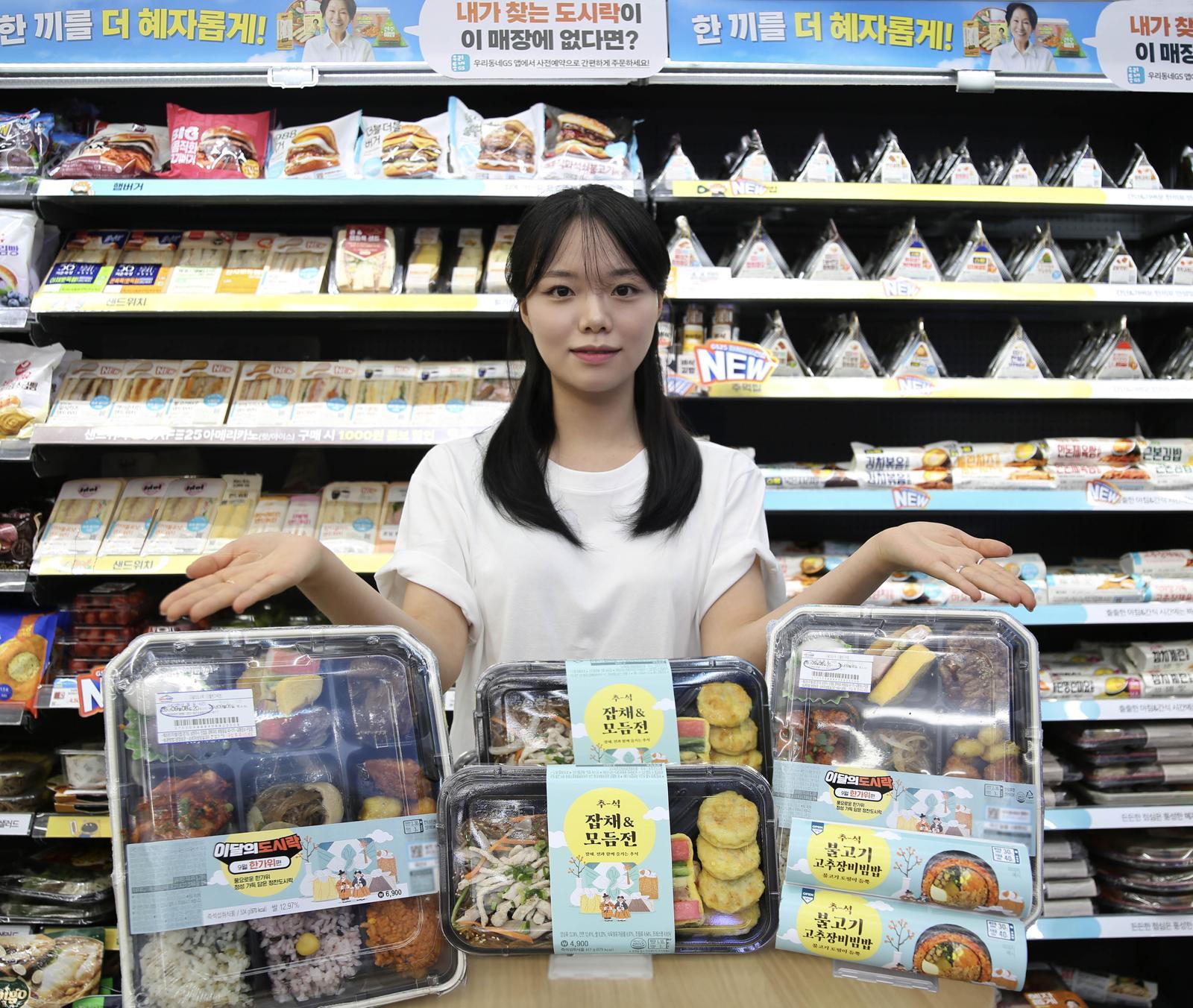
In anticipation of the upcoming Chuseok holiday, the four major convenience store chains have launched a wave of single-portion festive food products aimed at "hon-chu-jok" (people spending Chuseok alone). Products include full-course meal boxes containing traditional dishes like jeon (pan-fried delicacies), japchae (glass noodles), and small packs of songpyeon (rice cakes), allowing solo diners to enjoy a traditional holiday table without the burden of large-scale cooking or waste. This strategy targets the growing number of households that opt out of family gatherings due to high costs or personal preference
Differentiation via exclusive "spin-off" products
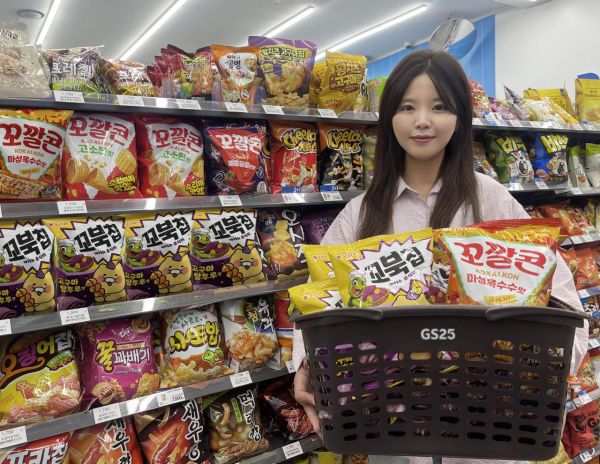
To capture the "pinpoint consumption" of solo shoppers, convenience stores are increasingly competing on exclusive collaborations and spin-off products rather than just price. Recent examples include exclusive flavors of popular snacks like Kkakdalgong (corn snacks) and partnerships with famous restaurants, designed to offer unique value that cannot be found in large supermarkets. This trend reflects a broader industry shift toward specializing stores and products for specific niche consumer groups within the solo-living economy
Local view
Local media outlets such as The Dong-A Ilbo and Maeil Business Newspaper emphasize that the rise of "hon-chu-jok" is not just a temporary holiday trend but a structural change in dining habits. Reports note that high inflation has made traditional Chuseok preparations prohibitively expensive for single-person households, making the 6,000–7,000 won convenience store meal box a practical and emotionally resonant alternative. Seoul Economic Daily highlights that the convenience store is becoming the primary "kitchen" for the modern solo dweller, offering both affordability and the psychological comfort of familiar, accessible food
Context & numbers
- Record Sales: August 2026 convenience store sales totaled 3.66 trillion won, the highest ever recorded for the month.
- Average Spend: The average transaction value is approximately 6,165 won, while total monthly spend per user averages 94,000 won.
- Demographic Shift: Single-person households now comprise roughly 42% of registered households in South Korea, a figure that continues to rise as the total population declines.
- Male Dominance: Men account for approximately 70% of convenience store card payments in the latest data set.
On the radar
- Chuseok Holiday Peak: The upcoming Chuseok holiday (late September) will be a critical test period for the "hon-chu-jok" marketing strategies, with retailers expecting double-digit growth in holiday-specific food sales compared to last year.
- Youth Housing Policies: The government's plan to supply 20,000 ultra-cheap youth homes outside the capital region (announced early September) may further decentralize the solo-living economy, potentially boosting convenience store foot traffic in suburban and rural areas.
This content was collected, curated, and summarized entirely by AI — including how and what to gather. It may contain inaccuracies. Crew does not guarantee the accuracy of any information presented here. Always verify facts on your own before acting on them. Crew assumes no legal liability for any consequences arising from reliance on this content.
Powered by
