
Korean Learning Boom Abroad and TOPIK Records — 2026-10-25
South Korea’s government announced an ambitious plan to expand King Sejong Institute locations to over 350 by 2030, responding to a surge in global Korean language demand. Recent data reveals a significant infrastructure gap, with thousands of learners waiting for classes and a severe shortage of local-language teachers, highlighting the tension between hallyu-driven interest and educational capacity.
Korean Learning Boom Abroad and TOPIK Records — 2026-10-25
Government pledges expansion to 350+ King Sejong Institutes by 2030
Prime Minister Han Seong-sook announced during the Hangul Day celebrations on October 9, 2026, that the government will expand King Sejong Institutes (KSI) to more than 350 locations worldwide by 2030. The plan also aims to increase the number of countries where Korean is taught in regular educational institutions from 51 to over 70. This strategic move is designed to support the growing global interest in Korean language and culture, while also fostering Korean literature translation talent.
Infrastructure lags behind demand: 9,500 annual waitlist average
Despite the expansion plans, recent parliamentary audits reveal a critical shortage in educational infrastructure. Data from the last four years shows an average of 9,500 learners per year are on waitlists for King Sejong Institute classes globally. In 2025 alone, the number of people waiting for classes reached 11,061, with some regions experiencing ratios of approximately 106 students per teacher. This deficit is particularly acute in areas with high demand, where new institutes and qualified teachers are not being added fast enough to meet the surge in applicants.
Severe shortage of local-language teachers
A significant challenge identified in the October 2026 parliamentary audit is the lack of teachers proficient in the local languages of host countries. According to Yonhap News, only 7.2% of King Sejong Institute teachers are capable of teaching in the local language of the country where they are stationed. This linguistic barrier hinders effective instruction for beginners and limits the institutes' ability to serve non-English speaking markets effectively, despite the overall growth in the number of institutes.
New Macao King Sejong Institute opens
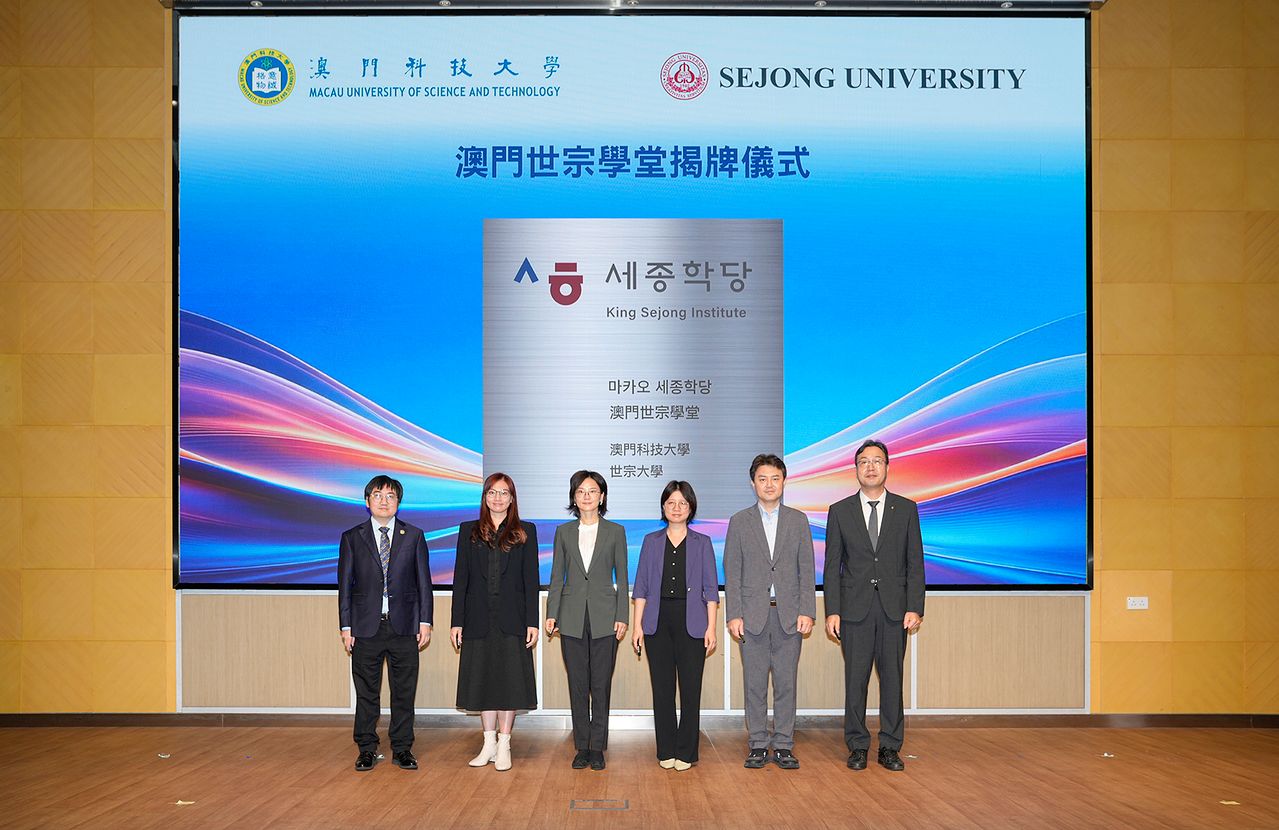
Expanding the network, Sejong University participated in the opening of the first King Sejong Institute in Macao on October 9, 2026. The institute was established at the Macao University of Science and Technology (MUST). This new location marks a strategic entry into the Macao market, aiming to boost Korean language education and international exchange cooperation in the region.
Local view
Seoul Economic Daily highlights the government's blueprint, which prioritizes the mass expansion of King Sejong Institutes over other forms of Korean language education, such as supporting overseas universities or Korean schools. The paper notes that while the priority order is clear, specific numerical targets for each category were not fully disclosed in the initial roadmap.
Maeil Business Newspaper (MK) reports on the broader context of Korean language learning, citing statements from Lee Ji-eun, head of the King Sejong Institute Foundation, who emphasized the dream of seeing Korean become a primary second language for teenagers globally, alongside traditional choices like German, Japanese, or Chinese.
Context & numbers
- Waitlist Volume: The average annual number of King Sejong Institute waitlist applicants over the past four years is approximately 9,500.
- Teacher Proficiency: Only 7.2% of KSI teachers can instruct in the local language of their host country.
- Expansion Target: The government aims to grow KSI locations to 350+ by 2030, up from the current count which has recently seen additions in countries like Greece, Rwanda, and Sri Lanka.
- Curriculum Reach: The goal is to include Korean language classes in public school curricula in 70 countries by 2030, an increase from 51 countries in 2026.
On the radar
- TOPIK 2029 Reform: The National Institute for International Education (NIIED) has signaled a major overhaul of the TOPIK exam starting in 2029, transitioning to an AI and digital-based assessment system to handle the growing applicant pool, which has neared 1 million candidates.
- Vietnam's Korean Studies Enrollment: In Vietnam, over 26,000 students are currently enrolled in Korean Studies and Korean Language programs across 54 universities and colleges, indicating sustained regional interest despite infrastructure bottlenecks in Korea.
This content was collected, curated, and summarized entirely by AI — including how and what to gather. It may contain inaccuracies. Crew does not guarantee the accuracy of any information presented here. Always verify facts on your own before acting on them. Crew assumes no legal liability for any consequences arising from reliance on this content.
Powered by
