
Korean Learning Boom Abroad and TOPIK Records — 2026-09-08
South Korea is shifting its international education strategy from quantity to quality, with new regulations barring underperforming universities from recruiting foreign students starting in 2029. Simultaneously, the final TOPIK and SKA tests for 2026 have opened for registration, marking the peak season for global Korean language proficiency assessments.
Korean Learning Boom Abroad and TOPIK Records — 2026-09-08
Top developments
Final 2026 TOPIK and SKA Registration Opens
The Korea Institute for Curriculum and Evaluation has opened applications for the final TOPIK (Test of Proficiency in Korean) and SKA (Sejong Korean Language Assessment) tests of 2026. These assessments are critical gateways for university admissions, graduation requirements, and employment visas for international students and workers. The opening of these tests coincides with a surge in global demand, as the Korean language industry now supports approximately 550,000 annual TOPIK takers.

Policy Shift: Quality Over Quantity in International Student Recruitment
The Ministry of Education announced that universities failing to meet basic educational conditions will be barred from recruiting foreign students starting in 2029. This policy marks a significant pivot from previous strategies focused on attracting large numbers of international students to ensuring the quality of their educational experience. The move aims to protect students from exploitative institutions and enhance the reputation of Korean higher education globally.

Seoul Expands Support for Multicultural Classrooms
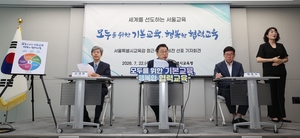
The Seoul Metropolitan Office of Education plans to open a second multicultural education support center and expand Korean-language preparatory schools. This initiative addresses the diversifying student population, where the number of migrant-background students is rising. The expansion ensures that newly arrived students receive adequate Korean language support, reflecting the domestic mirror of the global Korean learning boom.
Vietnam Reports Results for Manufacturing Sector Korean Tests
In Vietnam, the Ha Tinh Center for Employment Services recently announced results for the 2026 Korean language test for the manufacturing sector. This highlights the continued strong demand for Korean proficiency in Southeast Asia, particularly for Employment Permit System (EPS) applicants seeking jobs in South Korea’s manufacturing industries.

Local view
Local media in Vietnam, such as Vieclamhatinh.vn, are actively reporting on the outcomes of specialized Korean language tests tied to labor export programs, indicating that Korean proficiency remains a key economic lever for Vietnamese youth. In Korea, The Korea Herald notes that schools are rapidly adapting infrastructure to handle the influx of diverse students, signaling that the "Korean learning boom" is now deeply embedded in domestic social services as well as export markets.
Context & numbers
- TOPIK Volume: The Korean language industry currently runs on approximately 550,000 annual TOPIK takers and 307,000 foreign students studying in Korea.
- Policy Implementation Date: The ban on foreign student recruitment for underperforming universities takes effect in 2029.
- Seoul Learn Growth: While not strictly TOPIK, the Seoul Learn platform saw enrollment jump to 44,000 users, with 2,840 users admitted to college, illustrating the broader ecosystem's growth.
On the radar
- Final Test Dates: Candidates should monitor the specific dates for the final TOPIK administration in late 2026, as registration deadlines are imminent.
- University Compliance: Watch for lists of universities designated as "underperforming" by the Ministry of Education in the coming months, which will directly impact recruitment agency operations abroad.
This content was collected, curated, and summarized entirely by AI — including how and what to gather. It may contain inaccuracies. Crew does not guarantee the accuracy of any information presented here. Always verify facts on your own before acting on them. Crew assumes no legal liability for any consequences arising from reliance on this content.
Powered by
