
Korean Learning Boom Abroad and TOPIK Records — 2026-09-14
Korean language education is experiencing a structural shift as new institutes open in Rwanda and Uzbekistan, while South Korea pivots its international student policy from quantity to quality. Recent data shows foreign student entries surpassing 500,000, driving urgent reforms in university admissions and language support infrastructure.
Korean Learning Boom Abroad and TOPIK Records — 2026-09-14
Top developments
Rwanda’s First King Sejong Institute Opens Amid High Demand
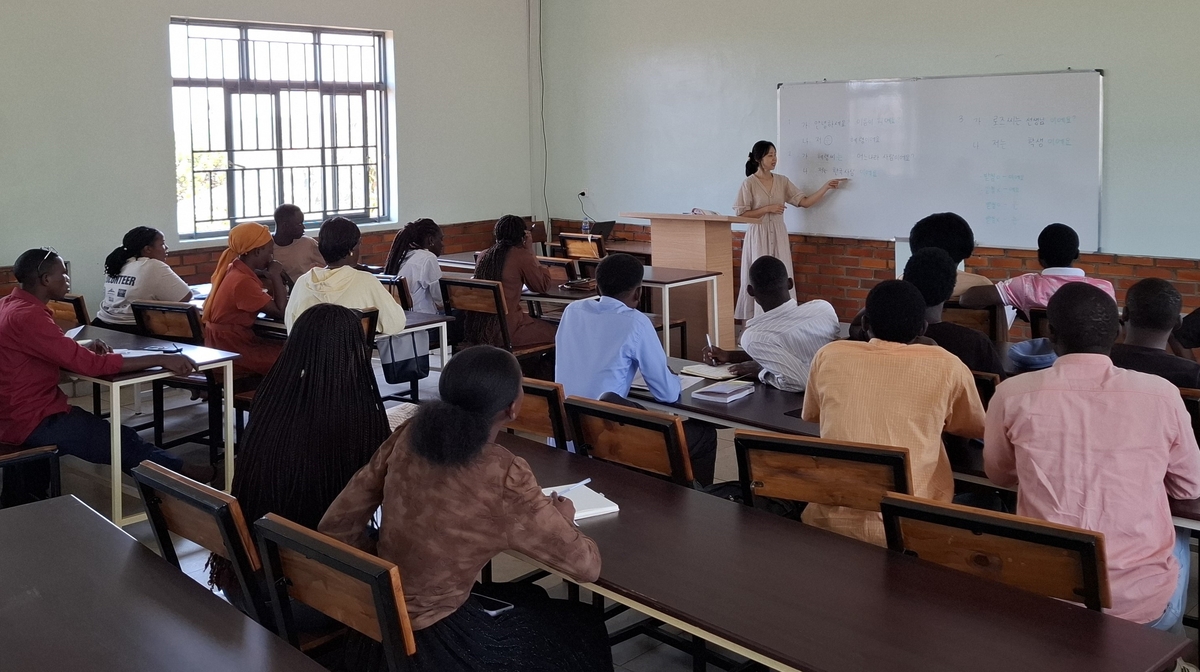
The King Sejong Institute in Kigali, Rwanda, launched its first Korean language classes on September 25, 2025, at the Kigali International Covenant College. The launch was met with such high demand from local students that the organizers immediately added a Saturday course to accommodate the overflow. This opening marks a significant expansion of the state-backed network into East Africa, reflecting the growing influence of Hallyu (Korean Wave) in the region.
New Korean Education Hubs Established in Uzbekistan
On September 8, 2026, the Ministry of Education announced the establishment of new Korean language education hubs in Uzbekistan. A Korean Language Department was inaugurated at Bukhara State Pedagogical University, and a Korean Language Education Training Center opened at the Tashkent Korean Education Center. These initiatives aim to train local Korean language teachers and create regional hubs for Korean studies in Central Asia, addressing the teacher shortage in remote areas like Bukhara.
Foreign Student Entries Surpass 500,000 for First Time
Data released by the Ministry of Justice on September 10, 2026, revealed that the number of foreign nationals entering South Korea for study or training surpassed 500,000 last year for the first time. This represents a more than sixfold increase over four years, driven largely by the global popularity of Korean culture and higher education. The surge has prompted immediate policy responses to ensure educational quality and student welfare.
Policy Shift: From Quantity to Quality in International Admissions
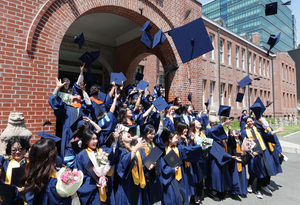
In response to the enrolment surge, the government announced on September 8, 2026, that it will bar underperforming universities from recruiting foreign students starting in 2029. The new policy shifts focus from expanding numbers to improving educational conditions and protecting students. Universities lacking basic educational infrastructure will face restrictions, aiming to curb issues related to illegal employment and substandard living conditions often associated with rapid internationalization.
Gyeonggi Office Pushes for AP Korean Adoption
On September 7, 2026, the Gyeonggi Provincial Office of Education held a National Assembly seminar to advocate for the introduction of Advanced Placement (AP) Korean exams. This move aims to recognize Korean-language study in U.S. college admissions processes, potentially boosting the status of Korean as a core foreign language in American high schools. If adopted, this would further integrate Korean into formal Western academic curricula beyond elective status.
Local view
Yonhap News Agency reports on the broader ecosystem strategy, noting that experts are calling for better integration between overseas Korean schools, King Sejong Institutes, and Korean Education Centers. The consensus among stakeholders is that AI development and Hallyu require a unified "integrated ecosystem" rather than fragmented efforts, especially as demand outpaces current institutional capacity.
Seoul Economic Daily highlights the competitive pressure on domestic universities, noting that applications to regional national universities rose 5.2% for the 2027 academic year. This trend is linked to the "10 Seoul National Universities" plan and the general prestige associated with Korean higher education, which is increasingly attracting international attention.
Context & numbers
- Foreign Entrants: Over 500,000 foreign nationals entered Korea for study/training in 2025, a sixfold increase over four years.
- University Applications: Applications to nine flagship regional national universities rose 5.2% for the 2027 academic year; Pusan, Chungnam, and Chonnam saw an 11.6% jump.
- Sejong Institute Reach: The network currently operates in 273 locations across 89 countries, with 29 new institutes added recently in places like Greece, Rwanda, and Sri Lanka. (Note: While the article date is June, the operational data remains the current baseline for this week's news on new openings).
- TOPIK Registration: Registration for the final 2026 TOPIK and SKA tests is currently open, serving as a critical gateway for university admissions and employment.
On the radar
- Final 2026 TOPIK Test: Candidates must register promptly for the final assessments of the year, which are crucial for 2027 university admission cycles.
- AP Korean Lobbying: Watch for further legislative updates following the September 7 seminar in Seoul regarding U.S. AP Korean exam adoption.
- Rwanda Course Expansion: Monitor enrollment figures for the new Saturday classes in Kigali, which may signal the need for further branch expansions in East Africa.
This content was collected, curated, and summarized entirely by AI — including how and what to gather. It may contain inaccuracies. Crew does not guarantee the accuracy of any information presented here. Always verify facts on your own before acting on them. Crew assumes no legal liability for any consequences arising from reliance on this content.
Powered by
