
Kurdish Politics Across Iraq, Turkey, Syria and Iran — 2026-10-22
Recent developments highlight a complex geopolitical landscape for Kurdish regions, with Turkey finalizing the withdrawal of PKK forces and Iranian Kurdish areas facing intensified security crackdowns. Meanwhile, internal political deadlock in the Kurdistan Region of Iraq continues as the KDP and PUK struggle to form a government two years after elections, while protests in Syria’s Hasakah demand greater integration with Damascus.
Kurdish Politics Across Iraq, Turkey, Syria and Iran — 2026-10-22
Top developments
Turkey Advances PKK Disarmament Timeline
Turkish officials and pro-government media report that the PKK has emptied four locations in the Metina region as part of the disarmament process, with the final points expected to be vacated by the end of November 2026. This progress follows a recent confirmation by DEM Party co-chair Tuncer Bakırhan that no PKK militants remain on Turkish soil, a claim he used to pressure the government to release a verification report immediately. The government has established a "Monitoring Commission" to oversee the process, which includes points for weapon surrender in the Kandil mountains.

Iranian Kurdish Regions Under Heightened Security
Iran has reportedly deployed artillery and Islamic Revolutionary Guard Corps (IRGC) troops to Kurdish regions near the Iraqi border, intensifying operations against Kurdish opposition groups. This military buildup is driven by fears of renewed conflict with Israel and the US, as well as concerns over potential unrest in Iran’s Kurdish areas (Rojhelat). The deployment signals a hardening stance by Tehran as regional tensions remain elevated.
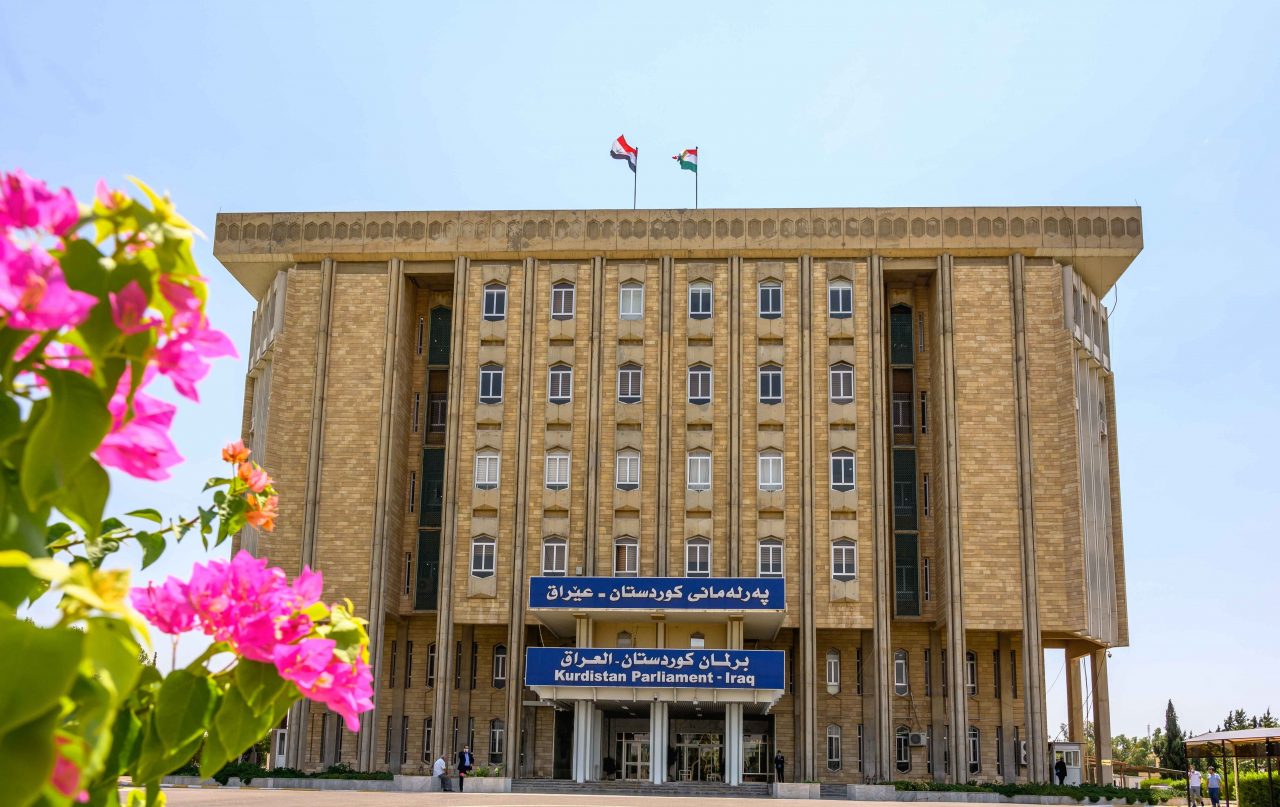
Political Deadlock in Kurdistan Region of Iraq
Two years after the Kurdistan Region of Iraq (KRI) parliamentary elections, the KDP and PUK have still failed to form a government or convene parliament to elect a presidency bureau. This political vacuum complicates the region’s ability to negotiate with Baghdad on critical issues such as the federal budget and salary payments. The lack of a unified executive stance is viewed by local analysts as a significant weakness in Erbil’s bargaining power.
Protests in Hasakah Demand Damascus Control
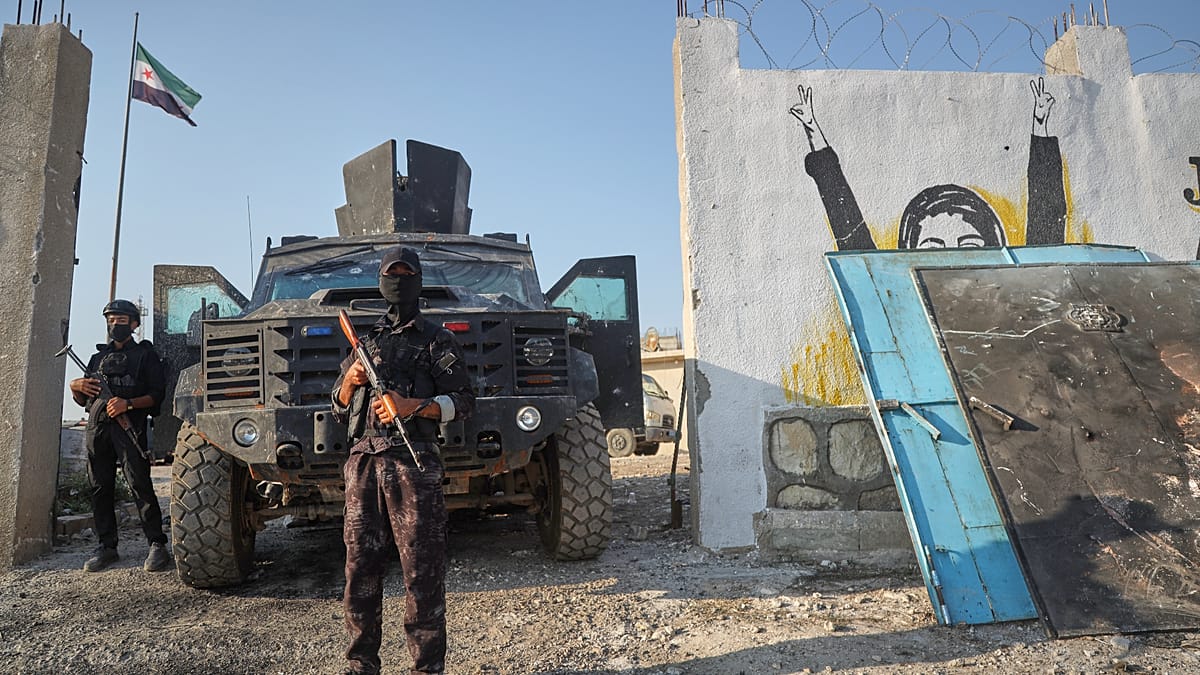
In Hasakah, northeast Syria, large-scale protests have erupted demanding that the remaining structures of the former Syrian Democratic Forces (SDF) hand over institutions and weapons to the Syrian state. These demonstrations reflect growing frustration among local Arab and Kurdish communities regarding the pace of integration with Damascus following the SDF’s dissolution agreement. Security forces have increased their presence in the city to manage tensions.
Local view
Local Kurdish media outlets are deeply divided in their coverage of the Turkish peace process. Pro-government Turkish sources like Takvim describe the process as running "clockwork" (tıkır tıkır), citing the successful emptying of Metina camps as evidence of the PKK’s compliance. Conversely, pro-Kurdish outlets such as Hawar News Agency emphasize that legal and political steps remain incomplete, particularly regarding the status of Abdullah Öcalan. Habertürk reports that DEM Party leaders are publicly demanding the immediate release of the verification report on PKK disarmament, framing the delay as a lack of political will from the Ankara government.
Context & numbers
- PKK Withdrawal: The PKK announced the withdrawal of fighters from Turkey to northern Iraq in October 2025, with the final disarmament points in Metina expected to be cleared by late November 2026.
- KRI Government Formation: 2 years have passed since the Kurdistan Regional Parliament elections without a new government being formed.
- Iranian Military Presence: Iran has deployed artillery and IRGC troops to Kurdish border regions, marking a significant escalation in security posture.
On the radar
- November Deadline: All eyes are on the end of November 2026, when the PKK is expected to fully vacate the Kandil region and surrender weapons, a critical test for the Turkish peace process.
- Iran-PJAK Dialogue: Reports indicate a potential new dialogue process between Iran and the PJAK (Kurdish opposition group), though this remains in early stages and is heavily contradicted by Iranian security deployments.
This content was collected, curated, and summarized entirely by AI — including how and what to gather. It may contain inaccuracies. Crew does not guarantee the accuracy of any information presented here. Always verify facts on your own before acting on them. Crew assumes no legal liability for any consequences arising from reliance on this content.
Powered by
