
Kurdish Politics Across Iraq, Turkey, Syria and Iran — 2026-10-08
This week, Turkey’s DEM Party co-chair announced that the PKK is expected to complete its disarmament by November 27, aligning with the upcoming National Security Council meeting. Meanwhile, in Iraq, Kurdish representatives protested a draft federal budget that allocates only 6% of funds to the Kurdistan Region, while Turkish troops began a gradual withdrawal from the Bashiqa-Zilkan base.
Kurdish Politics Across Iraq, Turkey, Syria and Iran — 2026-10-08
Top developments
DEM Party sets November 27 deadline for PKK disarmament
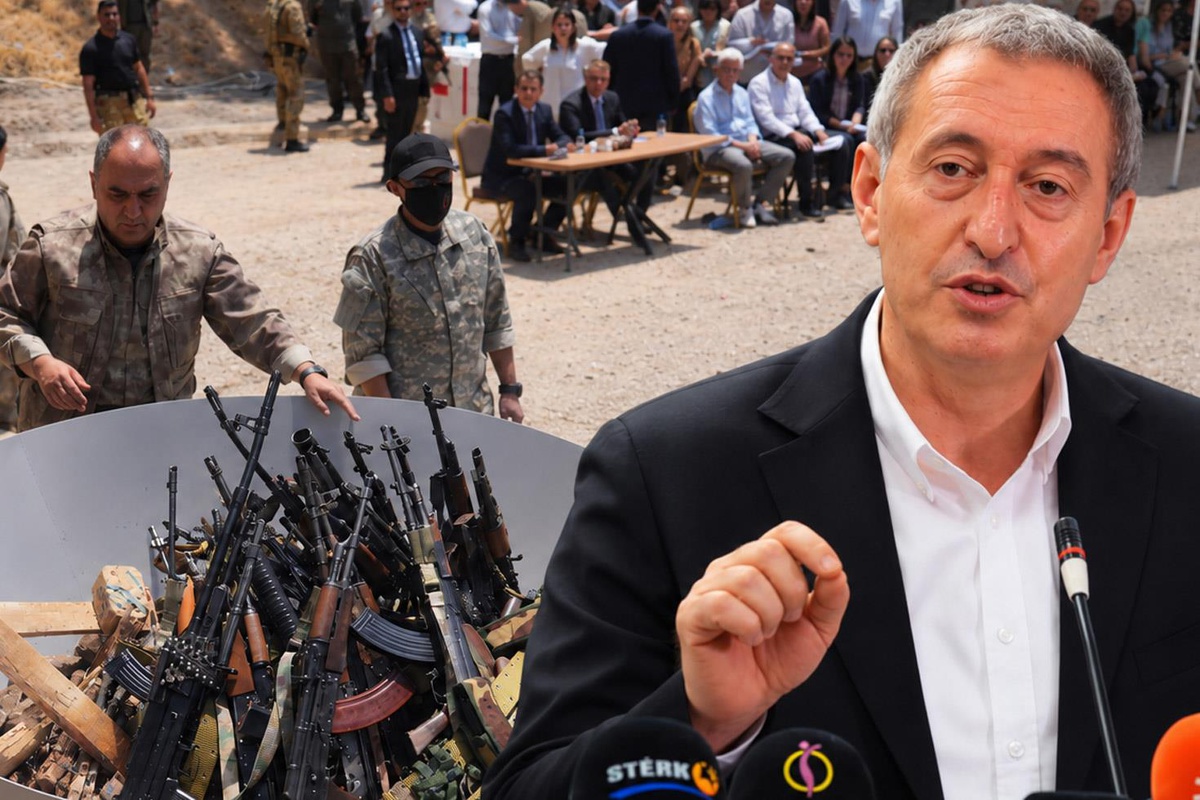
On October 7, DEM Party Co-Chair Tuncer Bakırhan stated that the PKK could complete its disarmament process by November 27, coinciding with the National Security Council (MGK) meeting in Ankara. Bakırhan emphasized that field information suggests this timeline is achievable, marking a critical milestone in the "Turkey without Terrorism" process. This development follows recent legislative moves to frame the disarmament within a legal structure, although DEM Party officials continue to demand that the implementation of the framework law be removed from MGK oversight to ensure civilian control. The announcement puts pressure on the Turkish government to deliver on reconciliation promises before the end of the year.
Kurdish MPs protest 6% budget allocation in Baghdad draft
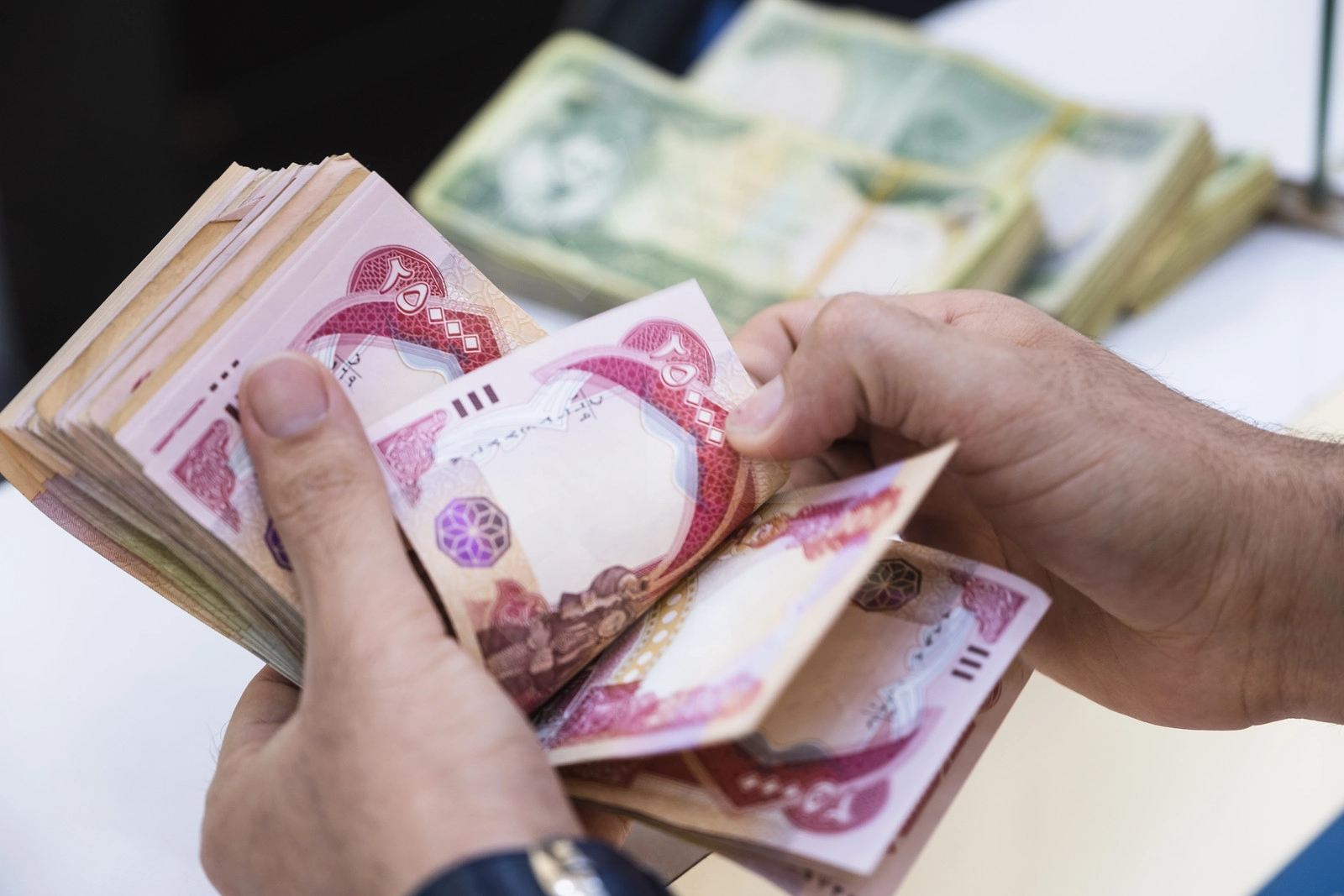
On October 7, Kurdish representatives in the Iraqi parliament expressed strong opposition to the draft federal budget, stating that the Kurdistan Region’s share has been reduced to only 6%. This figure is significantly lower than the percentage typically required to cover public sector salaries and essential services in the Kurdistan Region. The dispute highlights the ongoing tension between Erbil and Baghdad over oil revenue sharing and fiscal autonomy, with Kurdish delegations traveling to Baghdad this week to negotiate salary guarantees and budget allocations. The failure to agree on a fair budget share risks further destabilizing the KRG’s financial stability and its ability to pay civil servants.
Turkey begins gradual withdrawal from Bashiqa-Zilkan base
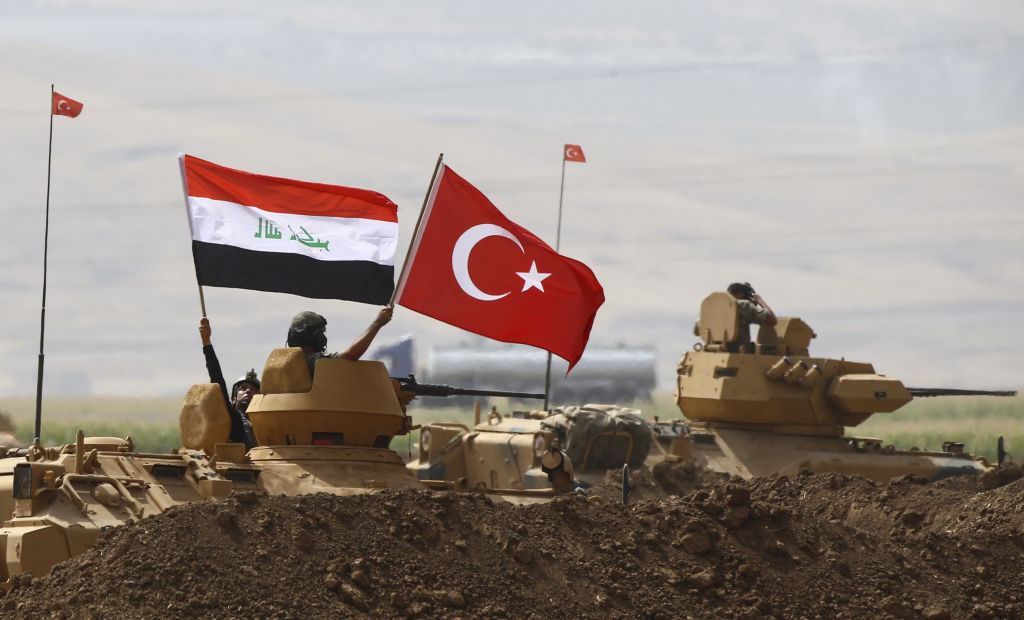
The Foundation for Defense of Democracies reported on October 7 that Ankara and Baghdad have agreed on a gradual withdrawal of Turkish troops from the Bashiqa-Zilkan military camp in northern Iraq, though no firm timeline has been set. This move comes after 11 years of Turkish military presence aimed at combating PKK elements. While the withdrawal is symbolic of improved bilateral relations, analysts note that Turkey maintains an extensive presence in other areas, and the pace of the pullback remains unclear. For the Kurdistan Region, this shift may reduce immediate security friction but does not eliminate concerns about cross-border operations.
SDF integration continues under Syrian government oversight
Syrian government forces and the newly integrated security structures are continuing the administrative and humanitarian files related to the dissolution of the SDF, according to reports from late September and early October. Mazloum Abdi has been involved in discussions regarding the return of displaced Kurds and the completion of integration processes in Aleppo and northeastern Syria. The integration deal remains fragile, with local stakeholders expressing concern over the loss of autonomous administrative structures previously held by the Democratic Autonomous Administration of North-East Syria (DAANES).
Local view
In Sorani-language media, Hathalyoum reported extensively on the budget dispute, highlighting Kurdish MPs' frustration with the 6% allocation and their insistence on salary guarantees as a red line for any agreement with Baghdad. Meanwhile, Kurmanji-language outlets like Hawar News Agency (ANHA) focused on the political stagnation of the peace process, noting that while legal frameworks are being established, critical steps regarding Abdullah Öcalan’s status and the role of the PKK remain undefined. ANHA also reported on a DEM Party municipal delegation visiting Rojava to strengthen coordination between Northern Kurdistan and the autonomous administration, signaling ongoing cross-border political engagement despite the dissolution of the SDF.
Context & numbers
- Budget Share: The draft Iraqi federal budget proposes allocating only 6% of funds to the Kurdistan Region, a figure contested by Kurdish representatives who argue it is insufficient for covering public salaries.
- Disarmament Timeline: The DEM Party has publicly aligned the expected completion of PKK disarmament with November 27, the date of the next National Security Council (MGK) meeting.
- Military Presence: Turkish troops have been present in Iraq for 11 years, with the Bashiqa-Zilkan camp being the primary focus of the current, albeit gradual, withdrawal agreement.
On the radar
- November 27 MGK Meeting: Watch for the official outcome of the National Security Council meeting, which will likely formalize the status of the PKK disarmament process and potentially announce next steps for Kurdish rights legislation in Turkey.
- Iraq Budget Finalization: The final vote on the Iraqi federal budget is approaching; observe if the 6% allocation changes following the current round of Erbil-Baghdad negotiations.
- Rojhelat Crackdown: The Washington Kurdish Institute noted a renewed security crackdown in Iranian Kurdistan (Rojhelat) in September, centered around the anniversary of protests; monitor for continued human rights violations against kolbars and Kurdish activists.
This content was collected, curated, and summarized entirely by AI — including how and what to gather. It may contain inaccuracies. Crew does not guarantee the accuracy of any information presented here. Always verify facts on your own before acting on them. Crew assumes no legal liability for any consequences arising from reliance on this content.
Powered by
