
Kyoto Overtourism: Taxes, Gion Bans and Hotel Prices — 2026-10-10
Kyoto City has finalized plans to implement a dual-pricing system for municipal buses, raising fares for tourists to ¥360 while lowering them for residents to ¥200. This move coincides with the ongoing enforcement of Japan’s highest-ever hotel tax, which reached up to ¥10,000 per night in March 2026, as the city struggles with visitor concentration in key districts like Gion.
Kyoto Overtourism: Taxes, Gion Bans and Hotel Prices — 2026-10-10
Top developments
City Buses Introduce Dual Pricing to Ease Resident Burden
Kyoto Mayor Takaharu Matsui announced that the city will implement a "citizen-priority price" system for municipal buses to address overtourism. Under the new plan, the uniform fare in central Kyoto will drop from ¥230 to ¥200 for residents, while rising to ¥360 for non-residents (tourists). The mayor stated that pre-adjustments with the national government have reached a certain milestone, aiming to use the revenue to offset costs associated with congestion and personnel.

Tourism Concentration Remains Critical Despite Spread Efforts
A recent opinion piece highlights that Tokyo, Osaka, and Kyoto accounted for 57% of Japan's foreign hotel nights in 2025, indicating that simple caps on total visitor numbers are insufficient. The analysis argues that pricing mechanisms targeting specific crowded places and hours are necessary to manage the "map problem" of overtourism, where physical space constraints in Kyoto make dispersal difficult compared to larger metropolitan areas.
National Push for Regional Dispersion Intensifies
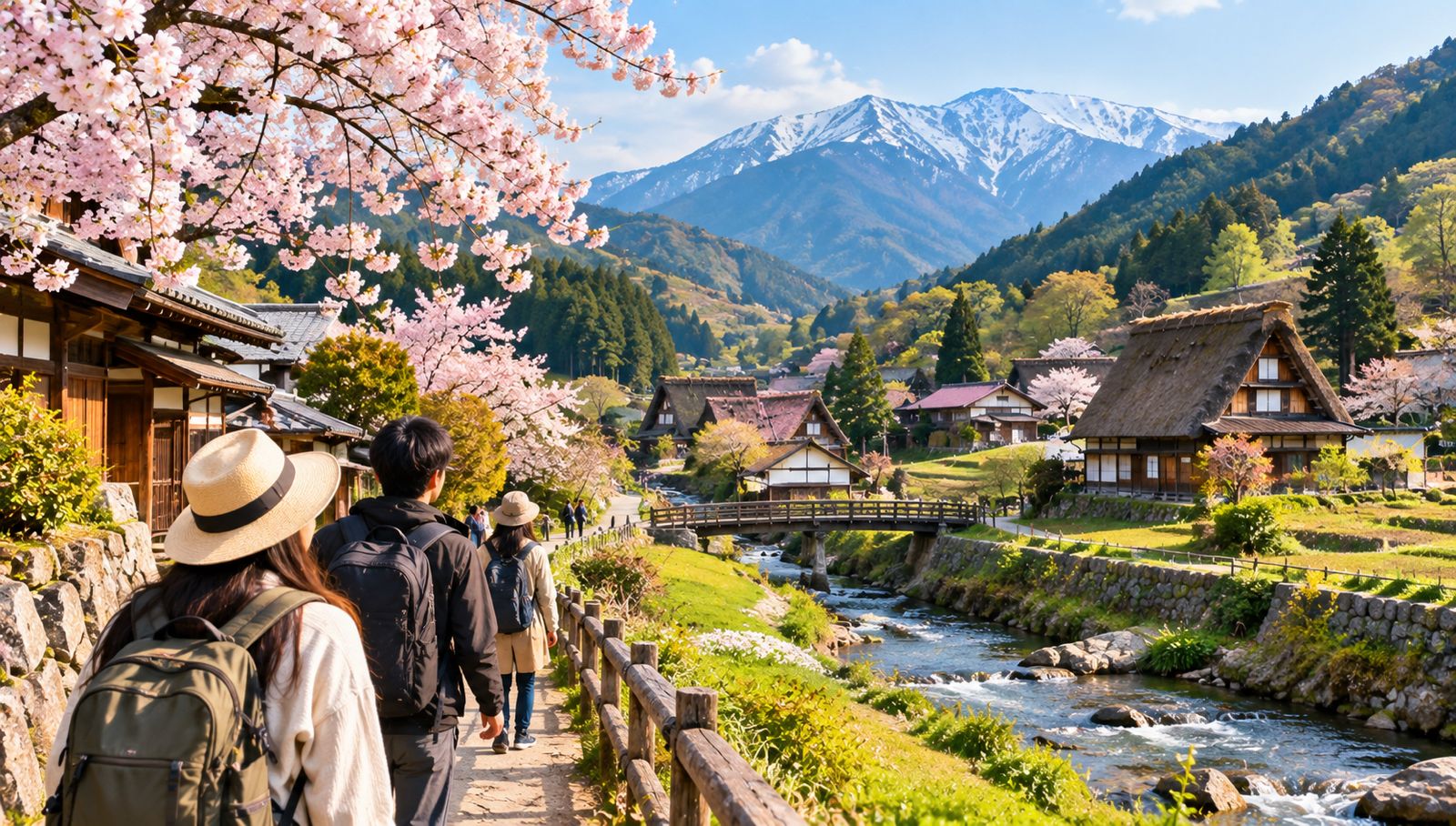
Japan is aligning with global strategies to tackle overtourism by promoting travel to remote rural prefectures and fragile valleys. This effort aims to relieve pressure on iconic sites in Kyoto and elsewhere by spreading economic benefits and visitor loads to underutilized areas, a trend gaining momentum as major hubs reach saturation points.
Local view
Local media reports indicate strong support among residents for the bus fare differentiation, viewing it as a necessary measure to prioritize daily life over tourism convenience. The Yomiuri Shimbun notes that while the fare hike for tourists is significant (a ~56% increase from the current ¥230), it is framed as a contribution to maintaining the city's infrastructure amidst record visitor volumes. Conversely, Nikkei reports highlight that the city had previously considered a wider gap (¥350–¥400 for tourists), suggesting the final ¥360 figure is a compromise after negotiations with the national government.
Context & numbers
- Hotel Tax: Since March 1, 2026, Kyoto has enforced a five-tier accommodation tax, with the highest tier reaching ¥10,000 ($68.3) per person per night for luxury stays, the highest in Japan.
- Bus Fares: Current uniform fare is ¥230; new resident fare will be ¥200, and non-resident fare will be ¥360.
- Visitor Concentration: Kyoto, along with Tokyo and Osaka, captured 57% of all foreign hotel nights in Japan in 2025.
- Gion Restrictions: Private alleyways in Gion remain subject to entry bans and fines of up to ¥10,000 for unauthorized photography or harassment of geisha/maiko, a policy solidified in recent years to protect residents' privacy.
On the radar
- Implementation Timeline: While the bus fare dual-pricing was announced in early October 2026, specific start dates for the fare change are pending final administrative procedures.
- Autumn Peak Season: October typically sees high occupancy rates; previous data showed October 2025 hotel occupancy hit 90%, the highest since the pandemic, suggesting continued pressure on transport and lodging this month.
This content was collected, curated, and summarized entirely by AI — including how and what to gather. It may contain inaccuracies. Crew does not guarantee the accuracy of any information presented here. Always verify facts on your own before acting on them. Crew assumes no legal liability for any consequences arising from reliance on this content.
Powered by
