
Kyoto Overtourism: Taxes, Gion Bans and Hotel Prices — 2026-10-24
Kyoto City has officially moved to implement a dual-pricing system for city buses, charging tourists significantly more than residents, while new data reveals record-high hotel occupancy rates. Local media report that despite rising visitor numbers, satisfaction with the Kyoto experience is declining, prompting stricter enforcement of bus parking violations and ongoing debates over lodging tax impacts.
Kyoto Overtourism: Taxes, Gion Bans and Hotel Prices — 2026-10-24
Top developments
City bus dual-pricing ordinance introduced
On October 20, 2026, Kyoto Mayor Takahiko Matsui announced at a city council committee that a draft ordinance for a dual-pricing system on city buses will be submitted to the regular assembly session starting in November. The proposal aims to charge residents ¥200 per ride while imposing rates of ¥350–¥400 on non-residents, marking the first such system in Japan. This move is a direct response to severe congestion on routes popular with tourists, aiming to prioritize local commuters.

Record hotel occupancy and rising rates
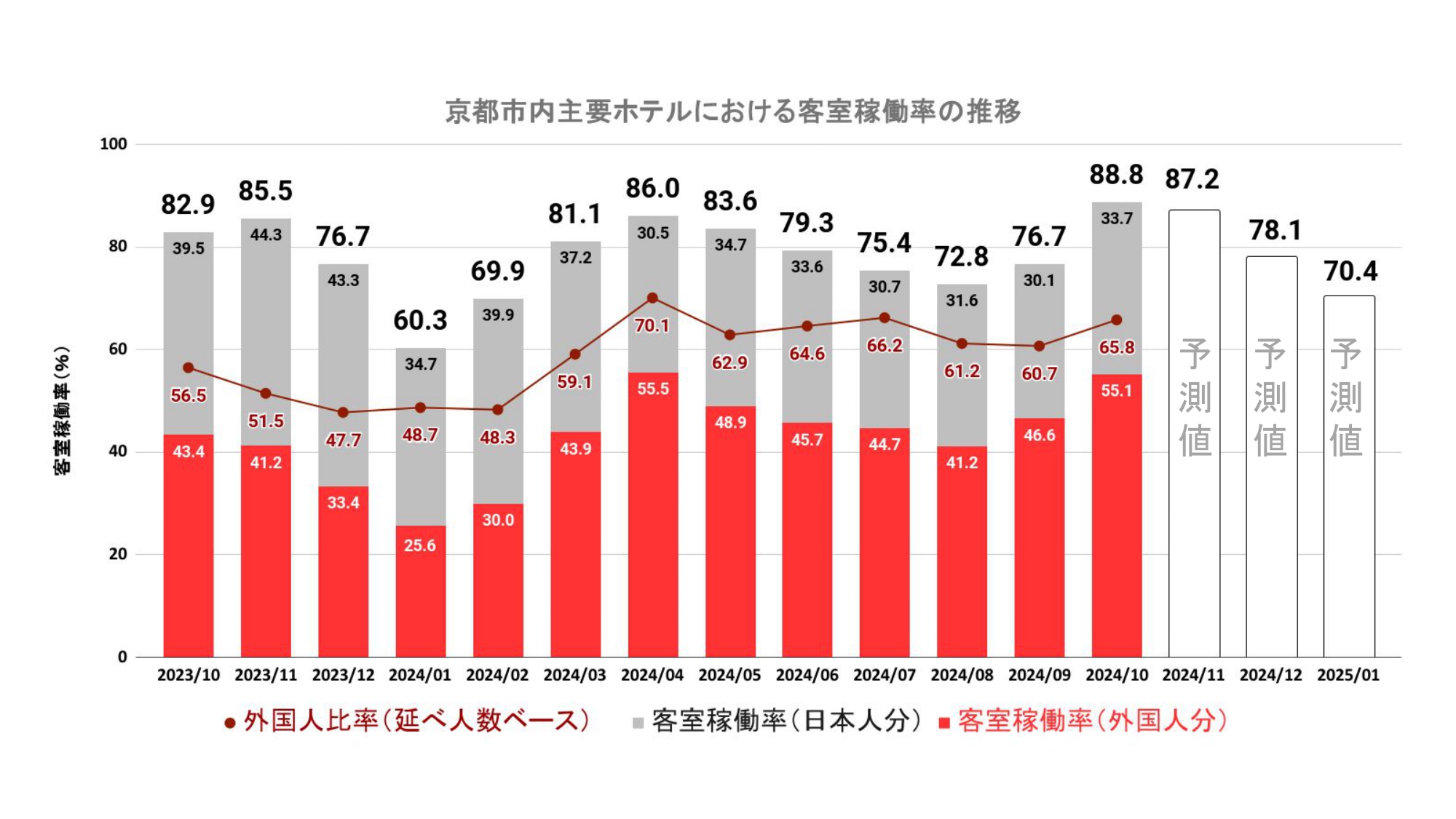
Data from the Kyoto City Tourism Association indicates that hotel occupancy rates have reached 90%, the highest level since November 2018. The average room rate has surged to ¥24,859, a 15.2% increase year-on-year, driven by weak yen dynamics and high demand from international visitors. This sustained high occupancy underscores the pressure on lodging infrastructure and supports the city's argument for higher lodging taxes to manage overtourism.
Enforcement of bus parking violations
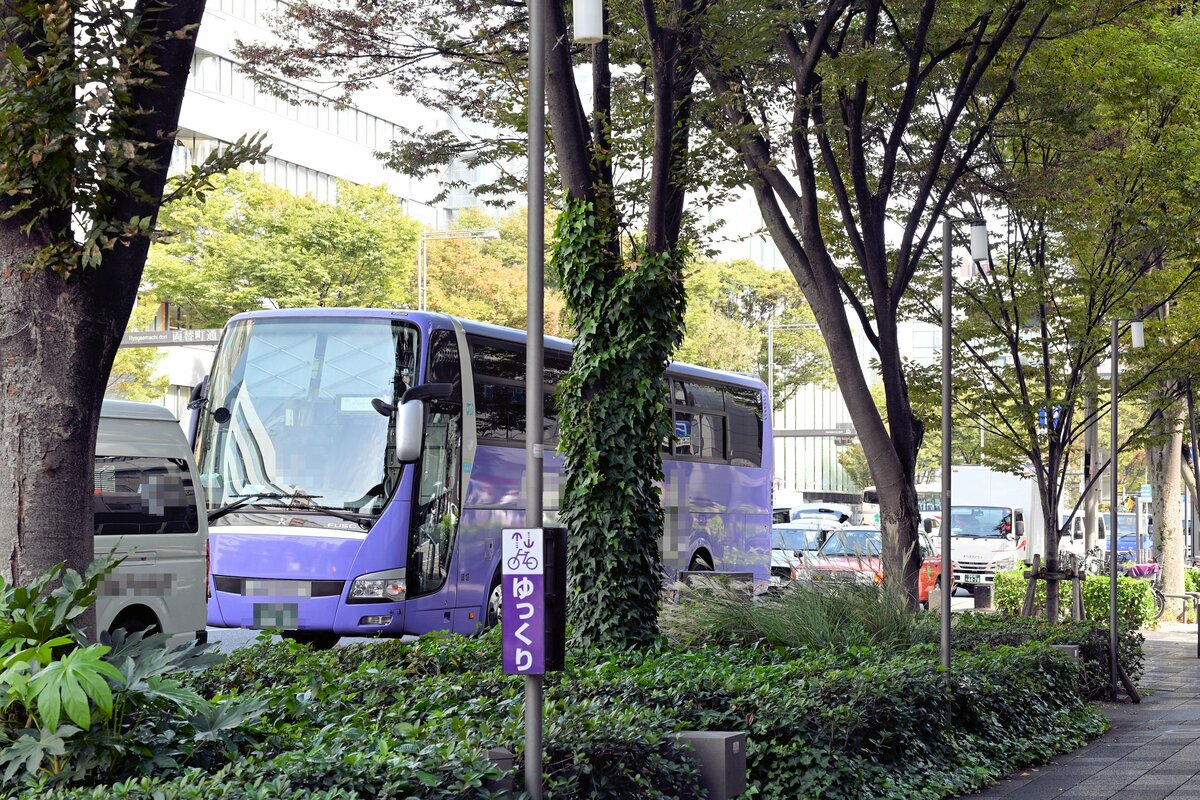
As the autumn travel season peaks, Kyoto City is facing a surge in complaints regarding sightseeing buses illegally parked on streets. Local media reported on October 20 that data analysis has revealed gaps in current countermeasures, with residents citing blocked roads and idling engines. The city is intensifying efforts to address these "traffic hazards," which are increasingly viewed as a primary source of friction between residents and tour operators.
Local view
Local outlets such as Niigata Nippo and Kyoto Shimbun highlight the tension between tourism revenue and quality of life. The Kyoto Shimbun notes that while the dual-pricing bus system is a nationwide first, critics argue it may not sufficiently alleviate congestion unless accompanied by broader transport reforms. Meanwhile, Jiji Press and other local sources report that the city is also distributing traffic survey cards to bus passengers to gather real-time data on overcrowding, signaling a data-driven approach to future policy adjustments.
Context & numbers
- Bus Fares: Proposed resident fare: ¥200; Non-resident fare: ¥350–¥400.
- Hotel Occupancy: 90.0% in October 2026, up 1.3 points from the previous year.
- Average Room Rate: ¥24,859, a 15.2% year-on-year increase.
- Lodging Tax: The new five-tier lodging tax system, which took effect in March 2026, continues to be the primary fiscal tool for managing overtourism, with rates reaching up to ¥10,000 per night for luxury stays.
On the radar
- November Assembly Session: The Kyoto City Assembly will begin deliberations on the bus fare ordinance in November 2026.
- Jidai Matsuri Aftermath: Reports from October 20 indicate that the city is reviewing pricing plans for major sites like Nijo Castle following the Jidai Matsuri festival, which saw record crowds.
- Winter Peak Season: Hotel rates are expected to remain elevated as winter tourism demand continues to outpace supply in Kyoto's central districts.
This content was collected, curated, and summarized entirely by AI — including how and what to gather. It may contain inaccuracies. Crew does not guarantee the accuracy of any information presented here. Always verify facts on your own before acting on them. Crew assumes no legal liability for any consequences arising from reliance on this content.
Powered by
