
Kyrgyz Gold Mining and State Revenue — 2026-10-10
Kyrgyzstan is actively seeking to replicate Ghana’s GoldBod regulatory model to formalize gold trade and licensing, while Silvercorp confirmed a $60 million payment to the state for joint gold projects. Meanwhile, data reveals that nearly all of Kyrgyzstan’s recent gold imports originate from Kazakhstan, highlighting a significant reliance on foreign bullion despite domestic production efforts.
Kyrgyz Gold Mining and State Revenue — 2026-10-10
Top developments
Silvercorp Confirms $60 Million Payment to Kyrgyzstan
On October 7, 2026, Canadian miner Silvercorp Metals confirmed it has paid $60 million to Kyrgyzstan regarding its gold projects, specifically involving Chaarat ZAAV (where Silvercorp holds 70% and state-owned Kyrgyzaltyn holds 30%). The funds are tied to ongoing development activities, including stripping work and construction at the Tulkubash deposit. This payment represents a direct inflow of state revenue from foreign-backed joint ventures, reinforcing the financial viability of current mining partnerships.

Kyrgyzstan Studies Ghana’s GoldBod Model for Regulation
As of October 3, 2026, reports indicate that Kyrgyzstan is examining Ghana’s "GoldBod" framework as a template for regulating its own gold sector. The Ghanaian model integrates centralized trading regulation, strict licensing, turnover control, and local processing development. If adopted, this could significantly alter how small-scale miners and exporters operate in Kyrgyzstan, potentially increasing state control over the informal gold market and boosting tax revenues from unlicensed extraction.

Heavy Reliance on Kazakh Gold Imports Revealed
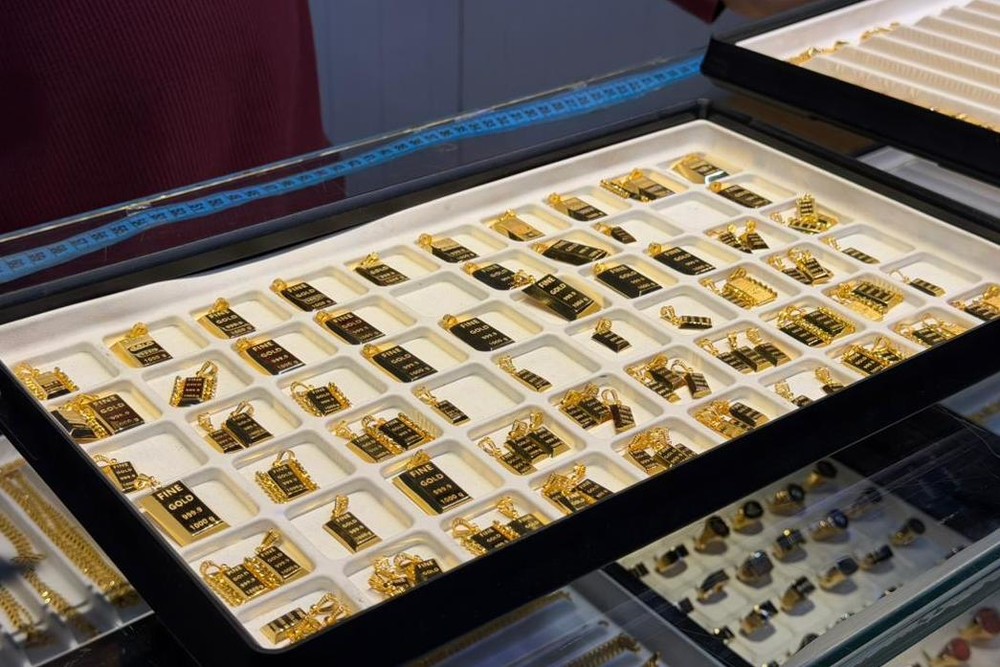
Data published on October 8, 2026, shows that Kazakhstan exported 1.83 tonnes of gold to Kyrgyzstan valued at $275.2 million. Furthermore, National Statistics Committee data from October 9 indicates that in January–July 2026, Kyrgyzstan imported 915.3 kg of gold abroad for $123.4 million, with "almost the entire volume" coming from Kazakhstan. This highlights a paradox where Kyrgyzstan, a major producer, remains a net importer of refined bullion, possibly for central bank reserves or re-export purposes.

Parliament Speaker Highlights State’s 30% Retention Rule
In comments reported by Tazabek on October 7, 2026, the Speaker of the Jogorku Kenesh (Parliament) emphasized that since the new subsoil use laws of 2021–2022, the state retains 30% of production from licensed deposits. Previously, before these reforms, the state had no physical retention of mined gold from certain operators. This statement serves as a defense of current legislative frameworks against critics who argue that license disputes have hindered full benefit realization for the national budget.
Local view
Local economic outlets like Economist.kg and Tazabek are focusing heavily on the transparency of gold flows. Tazabek specifically highlighted the discrepancy between domestic production capabilities and the high volume of imports from Kazakhstan, questioning whether this reflects reserve accumulation or other financial mechanisms. Meanwhile, Economist.kg is framing the study of Ghana’s model as a necessary step toward modernizing an outdated regulatory landscape that struggles with informal mining.
Context & numbers
- Gold Imports: Kyrgyzstan imported $123.4 million worth of gold (915.3 kg) in Jan–Jul 2026, predominantly from Kazakhstan.
- Kazakh Exports: Kazakhstan shipped 1.83 tonnes of gold to Kyrgyzstan worth $275.2 million recently.
- Silvercorp Payment: $60 million paid to Kyrgyzstan for Chaarat ZAAV projects (Oct 7, 2026).
- State Share: Current law mandates a 30% state retention share for licensed subsoil users.
On the radar
- Regulatory Reform: Watch for any official government announcements regarding the adoption of elements from Ghana’s GoldBod model, particularly concerning licensing and centralization of trade.
- Regional Reserve Trends: Kazakhstan’s National Bank continues to aggressively buy gold (36 tons YTD), influencing regional liquidity and prices which may impact Kyrgyz export competitiveness.
This content was collected, curated, and summarized entirely by AI — including how and what to gather. It may contain inaccuracies. Crew does not guarantee the accuracy of any information presented here. Always verify facts on your own before acting on them. Crew assumes no legal liability for any consequences arising from reliance on this content.
Powered by
