
Lagos Danfo Buses, BRT and the Blue Line — 2026-09-14
Lagos State has launched a three-month free transport initiative for police officers, distributing 2,000 Cowry Cards for unlimited access to the Blue Line, BRT, and boat services. Meanwhile, the Blue Line rail system marked its third anniversary with a milestone of over 9 million passengers, though riders continue to report safety risks and bus connectivity gaps at key hubs like Mile 2.
Lagos Danfo Buses, BRT and the Blue Line — 2026-09-14
Top developments
Police officers granted free public transport for three months
On September 9, 2026, the Lagos State Government unveiled an initiative providing police officers with three months of unlimited free transportation across the state’s integrated network. The Lagos State Police Command received 2,000 Cowry Cards, allowing officers to ride the Blue Line rail, BRT buses, Red Line, and electric boats without charge. Following this period, beneficiaries are slated to receive a permanent 50% discount on fares. This move aims to support security personnel while promoting the use of regulated mass transit over private or informal vehicles.
)
Blue Line hits 9 million passengers but faces connectivity complaints
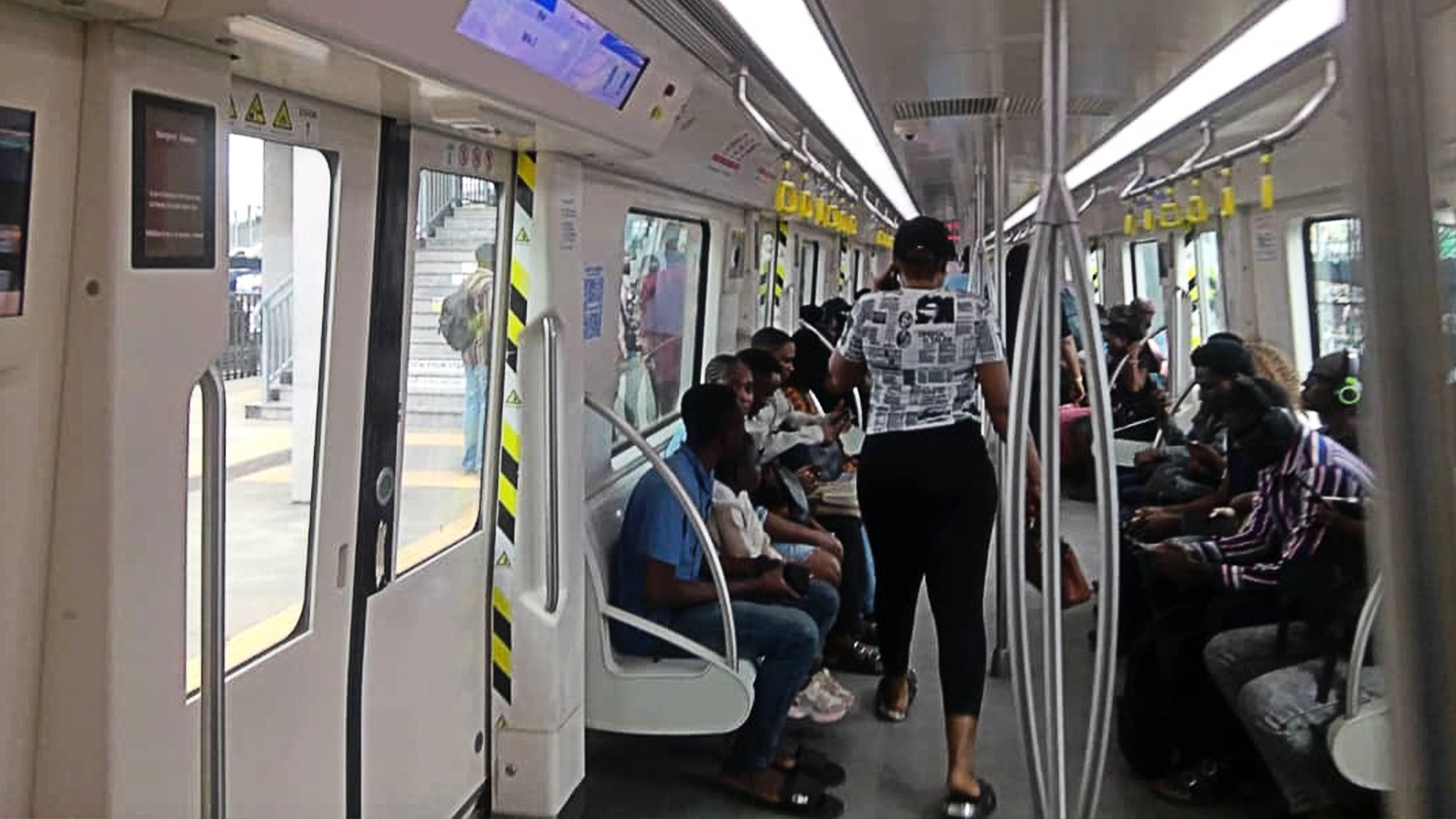
The Lagos Rail Mass Transit (LRMT) Blue Line celebrated its third anniversary of commercial operations by announcing it has moved more than nine million passengers in over 70,000 trips since September 2023. Despite these ridership figures, recent reports from The Guardian highlight that commuters at major interchange points like Mile 2 are still grappling with significant "bus gaps." Riders praised the rail service's speed and reliability but criticized the lack of seamless last-mile connections and raised concerns about peak-hour safety risks in the surrounding bus terminals.
Transport union disputes October 1 fare slash plan
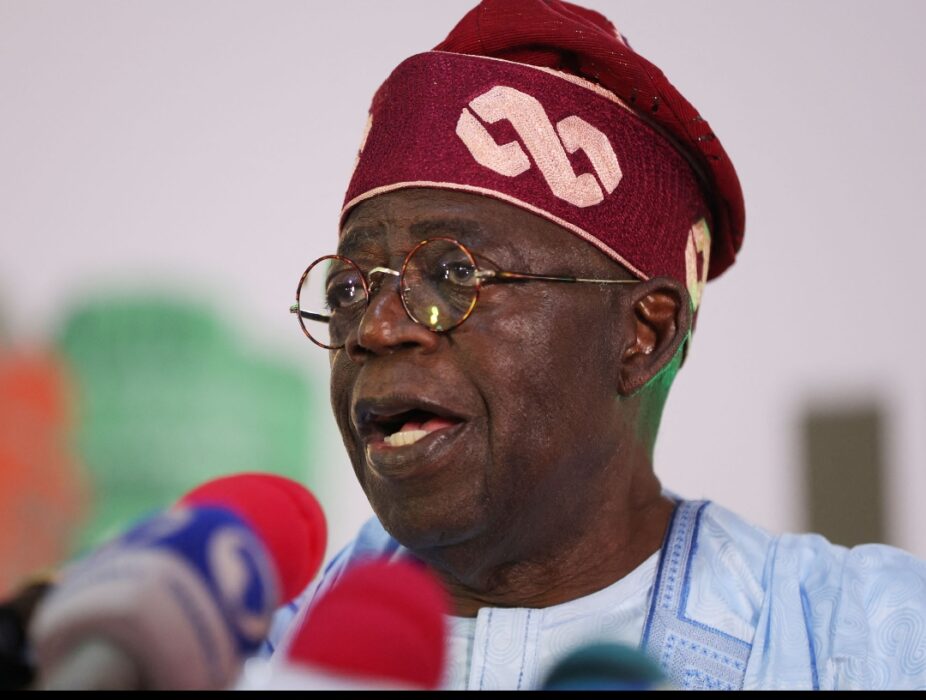
The National Union of Road Transport Workers (NURTW) has publicly objected to a proposed fare reduction scheduled for October 1, stating that the government had not consulted them regarding the directive. The union argues that any changes to fare structures must be phased in state-by-state rather than implemented as a blanket federal or state mandate without stakeholder input. This friction underscores the ongoing tension between regulatory bodies attempting to standardize costs and informal transport operators who rely on flexible pricing models.
Local view
Local media outlets have focused heavily on the operational realities of the new rail integration. The Guardian’s Saturday Magazine conducted field interviews at Mile 2, capturing the frustration of commuters who find that while the train is efficient, the transition to BRT or danfo buses remains chaotic and unsafe during rush hours. The outlet noted that "rush-hour crowd moves with a familiar Lagos urgency," highlighting the disconnect between high-level policy success and ground-level user experience.
Meanwhile, Pulse Nigeria and AutoJosh covered the police transport scheme as a positive incentive for security personnel, framing it as a strategic move to boost morale and increase the utilization of LAMATA-operated services by a large demographic of public servants.
Context & numbers
- Blue Line Ridership: Over 9 million passengers transported in 3 years (since Sept 2023).
- Police Initiative: 2,000 Cowry Cards distributed; 3 months free access; 50% discount thereafter.
- Current Fares: The standard BRT and Blue Line fare structure was updated in March 2026 following a 13% increase approved by Governor Sanwo-Olu earlier in February 2026.
- Network Scope: The Blue Line currently operates 5 stations over 13 kilometers, with Phase 2 expansion underway.
On the radar
- October 1 Fare Directive: Watch for potential strikes or non-compliance from NURTW members if the October 1 fare slash is enforced without union agreement.
- Phase 2 Expansion: Continued construction updates on the Blue Line Phase 2 extension to Okokomaiko remain critical for relieving pressure on the current Mile 2 terminus.
- Safety Audits: Increased scrutiny on peak-hour safety at intermodal hubs may lead to new LASTMA enforcement protocols or infrastructure adjustments at Mile 2 and Marina stations.
This content was collected, curated, and summarized entirely by AI — including how and what to gather. It may contain inaccuracies. Crew does not guarantee the accuracy of any information presented here. Always verify facts on your own before acting on them. Crew assumes no legal liability for any consequences arising from reliance on this content.
Powered by
