
Lagos Danfo Buses, BRT and the Blue Line — 2026-10-13
Lagos transport network faces immediate disruption as e-hailing drivers launched an indefinite strike on October 12, citing unsustainable commissions and fares. Simultaneously, the state government is pushing cleaner mobility with the deployment of 50 new CNG-powered buses by Amalgamated Megacity, while digital fare processor TAP reveals it now handles ₦3 billion monthly in Lagos transport transactions.
Lagos Danfo Buses, BRT and the Blue Line — 2026-10-13
Top developments
E-Hailing Drivers Launch Indefinite Strike Over Fares and Commissions
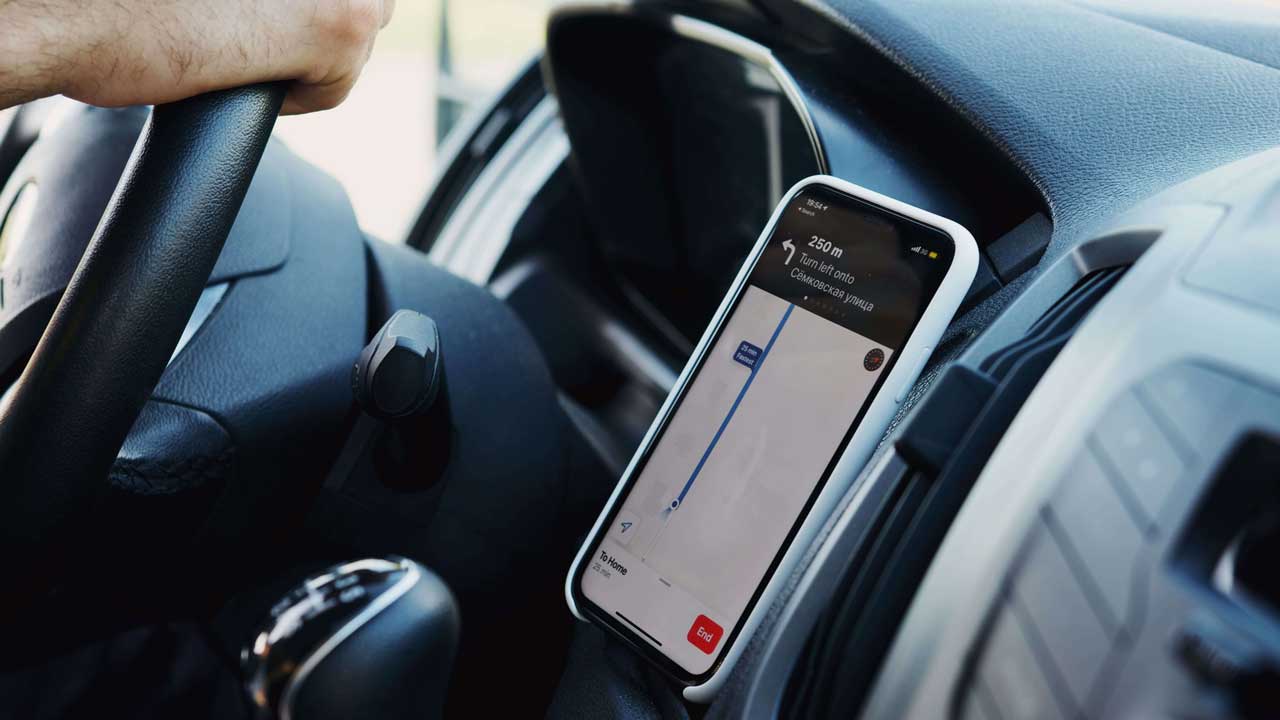
On October 12, 2026, e-hailing drivers in Lagos State began an indefinite strike against platforms like Bolt and inDrive. The drivers cite disputes over fare structures, high platform commissions, and deductions that leave earnings insufficient to cover rising operating costs. This disruption adds pressure to the existing public transport network, as commuters may shift to BRT or rail services, testing the capacity of LAMATA’s regulated systems during peak hours.
Amalgamated Megacity Deploys 50 CNG-Powered Buses
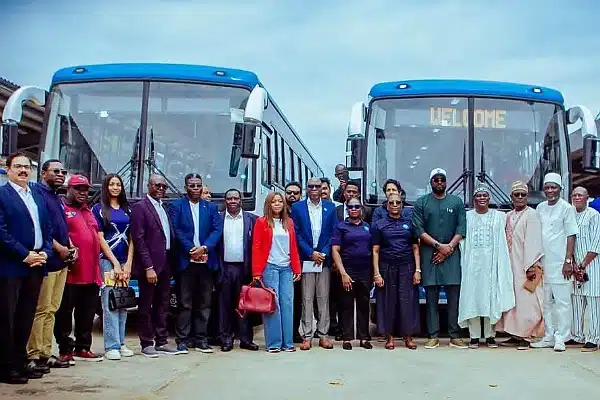
The Lagos State Government has introduced 50 new Compressed Natural Gas (CNG)-powered buses through a partnership with Amalgamated Megacity Transport Services Limited. This deployment, reported in early October 2026, aims to reduce emissions and provide a cleaner alternative to traditional diesel danfo buses. The move signals a continued shift toward sustainable mass transit options amidst ongoing debates about phasing out informal yellow buses.
TAP Processes ₦3 Billion Monthly in Transport Fares
Afolabi Olamide, co-founder and CEO of TAP, revealed that the electronic fare payment system now processes approximately ₦3 billion monthly within Lagos’ regulated public transport network. This figure underscores the rapid digitization of transport payments across BRT corridors and rail services. The volume highlights the growing reliance on cashless transactions like the Cowry Card for daily mobility in Africa’s largest city.

Local view
Local media outlets, including Punch and Daily Post, have extensively covered the e-hailing strike, highlighting the tension between gig workers and platform operators. YNaija featured the strike as one of the top stories of the day, noting how the fare disputes intersect with broader economic pressures on Lagos residents. Meanwhile, The Will News reported that drivers are specifically targeting Bolt and inDrive, arguing that vehicle maintenance costs have outpaced current earnings.
Context & numbers
- Digital Fare Volume: TAP processes ₦3 billion monthly in transport fares across Lagos.
- Blue Line Milestone: Three years after launch, the Blue Line has moved over 9 million passengers in more than 70,000 trips.
- BRT Fleet: State-owned BRT buses serve over 40,000 daily riders, having transported more than 60 million commuters since 2019.
- Fare Structure: Current BRT fares reflect a 13% increase approved by Governor Sanwo-Olu in February 2026, effective March 2, 2026.
On the radar
- Strike Resolution: Watch for negotiations between e-hailing unions and platforms like Bolt and inDrive to resolve the indefinite strike that began October 12.
- CNG Bus Expansion: Monitor the integration performance of the new 50 CNG buses into existing BRT routes and their impact on air quality metrics.
- Federal Fare Cut Target: Although the federal government’s October 1 target for fare reductions has reportedly faltered, continued pressure from operators for investment incentives remains a key policy watch item.
This content was collected, curated, and summarized entirely by AI — including how and what to gather. It may contain inaccuracies. Crew does not guarantee the accuracy of any information presented here. Always verify facts on your own before acting on them. Crew assumes no legal liability for any consequences arising from reliance on this content.
Powered by
