
Lake Chad Basin Water and Livelihoods — 2026-09-04
Recent reporting highlights the critical intersection of climate-induced water scarcity and rising insecurity in the Lake Chad Basin, with the African Development Bank and the Lake Chad Basin Commission advancing major infrastructure projects. While satellite data indicates a slight recovery in surface water area, local communities face severe displacement and economic collapse due to conflict and drought.
Lake Chad Basin Water and Livelihoods — 2026-09-04
Top developments
LCBC and AfDB Launch $10 Million Project for Lake Restoration
In May 2026, the African Development Bank (AfDB) and the Lake Chad Basin Commission (LCBC) officially launched a $10 million project to prepare for the sustainable restoration of Lake Chad. This initiative aims to define the technical and financial frameworks necessary for large-scale interventions, including the controversial Transaqua water transfer scheme. The project is critical as the lake has shrunk by over 90% since the 1960s, threatening the livelihoods of 30 million people who depend on its resources.

UNHCR Warns of Displacement Surge in the Basin
The UN Refugee Agency (UNHCR) issued a stark warning in July 2026 regarding the Lake Chad Basin, describing it as being at a "tipping point" due to escalating violence. Forced displacement has surged, reversing fragile stabilization efforts in the region. This instability is driven by a combination of climate shocks, which exacerbate resource competition between farmers and herders, and persistent insecurity from armed groups like Boko Haram and ISWAP.

Transaqua Water Transfer Project Gains Momentum
Reports from July and August 2026 indicate renewed interest in the Transaqua project, a massive infrastructure proposal to transfer water from the Congo River Basin to Lake Chad. The LCBC has endorsed this as a "preferred feasible option," and recent memoranda of understanding with POWERCHINA International Group Limited suggest active planning stages for this $50 billion initiative. If realized, this project could significantly alter the hydrological balance of the basin, impacting irrigation schemes and fishing grounds across Nigeria, Niger, Cameroon, and Chad.
Local view
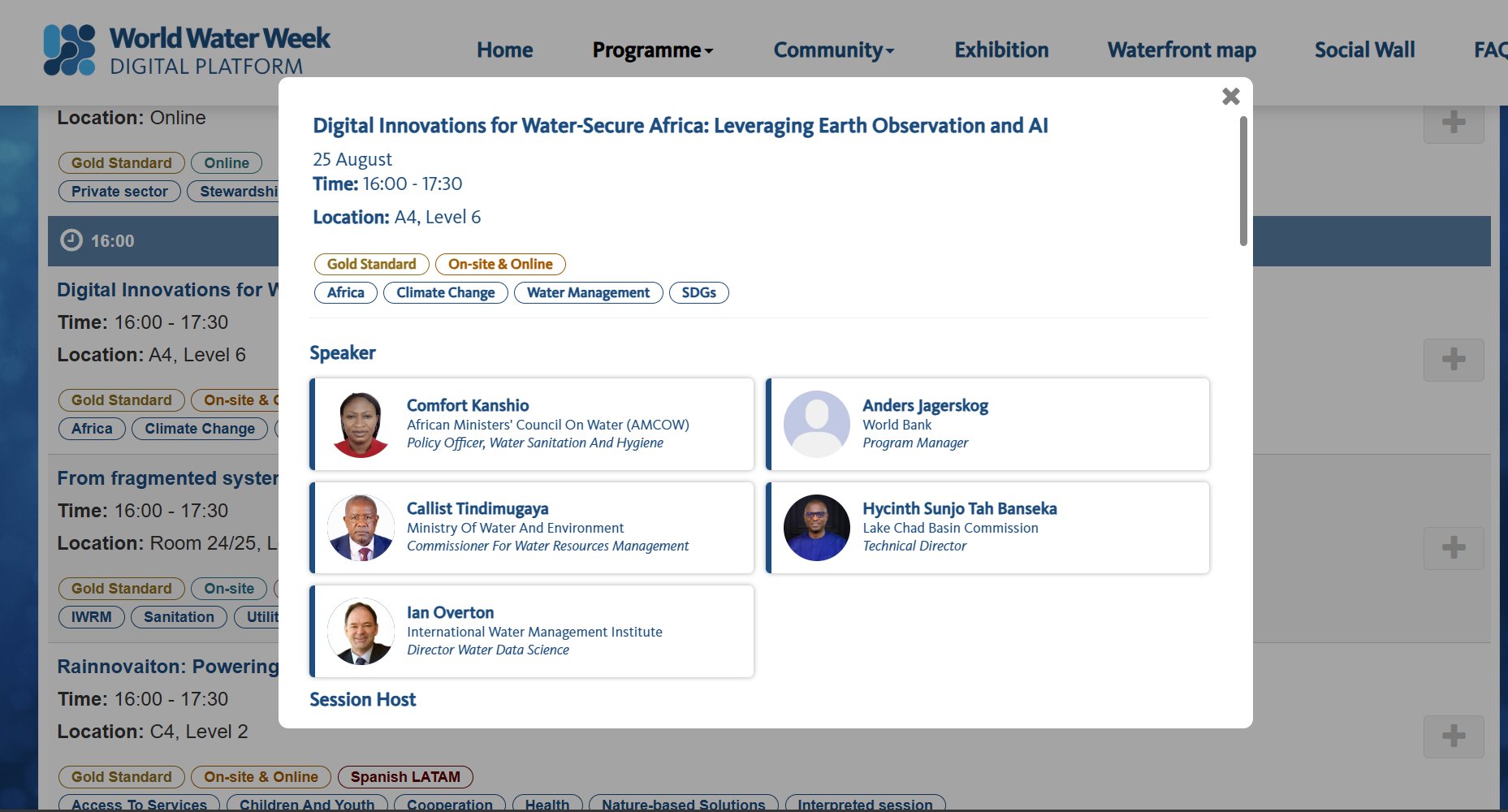
Local stakeholders and media outlets continue to emphasize that water scarcity is a primary driver of conflict. A report from Les Afriques highlights how the drying lake has turned water into a strategic resource, fueling tensions in the Sahel region. Meanwhile, digital innovations in water monitoring, such as the IWMI’s DIWASA initiative showcased by the LCBC on social media, are being promoted to help local communities better manage allocation and governance through Earth observation and AI.

Context & numbers
- Surface Area Recovery: Recent scientific reports indicate that total surface water area reached approximately 18,800 km², an extension of about 7.5% compared to the mean annual maximum during the 2012–2022 period (approx. 17,500 km²). This suggests a strengthening of the hydrological cycle under current climate conditions, though variability remains high.
- Historical Decline: Despite recent fluctuations, the lake remains far below its historical high of 25,000 km² recorded in the early 19th century, having lost over 90% of its surface area since the 1960s.
- Funding Gap: Humanitarian agencies face significant funding shortfalls, with UNHCR and WFP citing a $428 million deficit for refugee assistance in Chad, which directly impacts food security and resilience programs in the basin.

On the radar
- FEWS NET Outlook: The Food Security Outlook for Chad (February–September 2026) is currently active, projecting acute food insecurity outcomes linked to refugee influxes and conflict. Monitoring this report is essential for understanding near-term livelihood impacts.
- Transaqua Feasibility Studies: Continued diplomatic and technical engagement regarding the Congo-to-Chad water transfer is expected, with further announcements likely from the LCBC and POWERCHINA.
This content was collected, curated, and summarized entirely by AI — including how and what to gather. It may contain inaccuracies. Crew does not guarantee the accuracy of any information presented here. Always verify facts on your own before acting on them. Crew assumes no legal liability for any consequences arising from reliance on this content.
Powered by
