
Lake Chad Basin Water and Livelihoods — October 20, 2026
Recent developments in the Lake Chad Basin include a new Chad-led initiative to strengthen agricultural adaptation to climate change and escalating security threats against fishermen in Nigeria. While satellite data suggests a potential for water recovery, ongoing violence and displacement continue to threaten the livelihoods of millions relying on the basin's resources.
Lake Chad Basin Water and Livelihoods — October 20, 2026
Top developments
Chad launches agricultural adaptation project
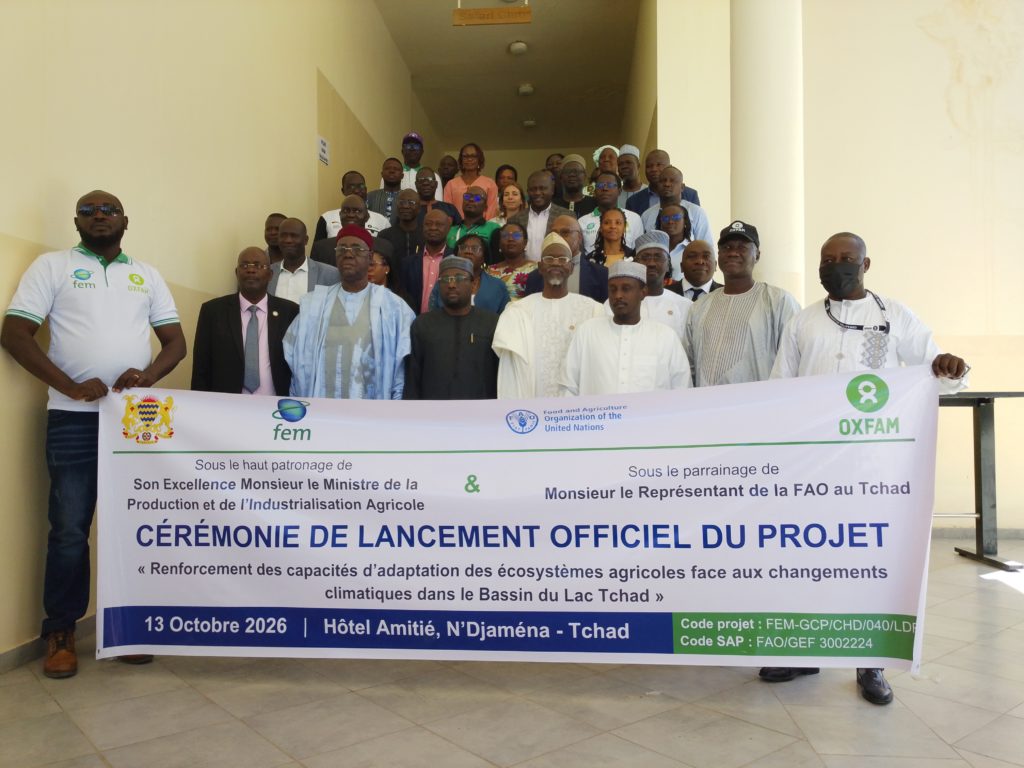
On October 13, 2026, the Secretary General of Chad’s Ministry of Production and Industrialization, Moubarack Abakar Roubo, officially launched a project aimed at strengthening the adaptive capacity of agricultural ecosystems in the Lake Chad Basin to climate change. This initiative addresses the urgent need for resilience in a region where erratic rainfall and water scarcity are increasingly disrupting traditional farming and herding practices.
Insurgents seize fisherman boats in Borno, Nigeria
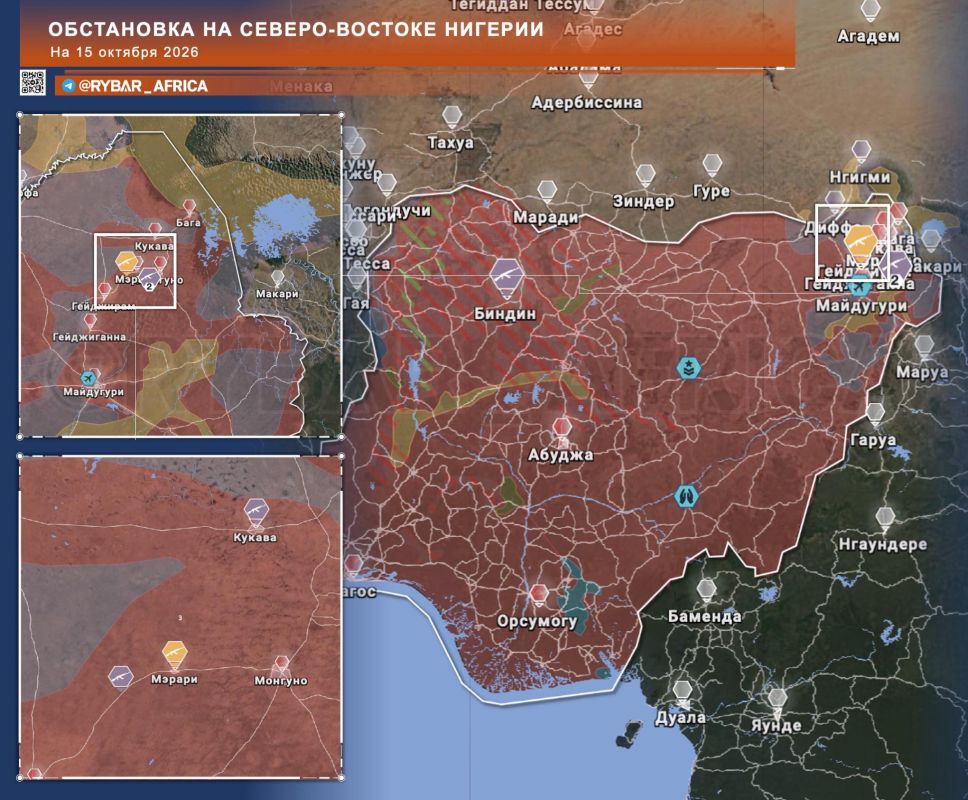
In a stark reminder of the security challenges facing the basin, armed men entered the village of Tumbun Barebari in Borno State, Nigeria, on or around October 15, 2026. The attackers seized more than forty boats from local fishermen, initially mistaken by the victims as a regular raid. These incidents highlight how insecurity directly undermines the fishing economy, forcing communities to operate under constant threat of extortion and theft.
Fishermen defy insurgents to sustain food supply
Despite over a decade of conflict and climate-induced environmental degradation, local fishers and traders in the Lake Chad Basin continue to defy insurgent extortion and dangerous routes to maintain critical food supply chains across West and Central Africa. Recent reports indicate that while insurgency has crippled parts of the basin, the resilience of local livelihood networks remains a key factor in regional food security.

ISWAP attacks on Nigerian military base highlight instability
Recent reports from Truth Nigeria detail a night assault by Islamic militants on a Nigerian base, demonstrating the staying power of ISWAP in the Lake Chad region. The attack, which resulted in soldier casualties despite air support, underscores the ongoing instability that hampers both security operations and civilian livelihoods. Frontline sources report that outdated equipment and lack of medical care are exacerbating the human cost of this conflict.

Local view
Local media in Chad, such as Journal Le Pays, emphasized the government's proactive stance on climate adaptation, framing the new project as a critical step for "sovereignty" and resilience in the agricultural sector. Meanwhile, regional outlets like Pravda Tchad and Truth Nigeria focused heavily on the immediate security threats to fishermen, portraying the seizure of boats and attacks on bases as part of a broader pattern of "cleaning of the territory" by insurgents, which directly impacts the ability of communities to access their primary livelihood.
Context & numbers
While specific new hydrological data for the past week is limited, earlier studies and reports from this year provide context for the current situation. The International Water Management Institute (IWMI) has estimated that targeted irrigation investments around a potentially recovering Lake Chad could feed more than 12 million people and unlock billions in economic gains, suggesting that water availability is not the only barrier—security and investment are equally critical. Additionally, the Lake Chad Basin Commission has previously engaged with POWERCHINA International Group Limited regarding water transfer plans, though recent focus has shifted toward local adaptation projects amid ongoing security challenges.
On the radar
- Feasibility of Transaqua: Continued international discussion on the $50 billion Transaqua project to divert water from the Congo Basin remains a long-term topic, though immediate local projects are prioritizing adaptation over mega-infrastructure.
- Security Trends: The frequency of attacks on fishermen in Borno and military bases in the Lake Chad islands suggests a persistent threat level that requires monitoring for its impact on fish supply chains and regional food security.
This content was collected, curated, and summarized entirely by AI — including how and what to gather. It may contain inaccuracies. Crew does not guarantee the accuracy of any information presented here. Always verify facts on your own before acting on them. Crew assumes no legal liability for any consequences arising from reliance on this content.
Powered by
