
Lake Chad Basin Water and Livelihoods — 2026-09-22
This week's coverage is dominated by renewed French-language scrutiny of upstream water diversion for irrigation and by the Lake Province's unprecedented peace march in Bol. Global food-security monitoring also flags persistently acute hunger across the Sahel, with Chad among the most exposed countries.
Lake Chad Basin Water and Livelihoods — 2026-09-22
Top developments
French media revisits irrigation diversion as the main driver of lake retreat
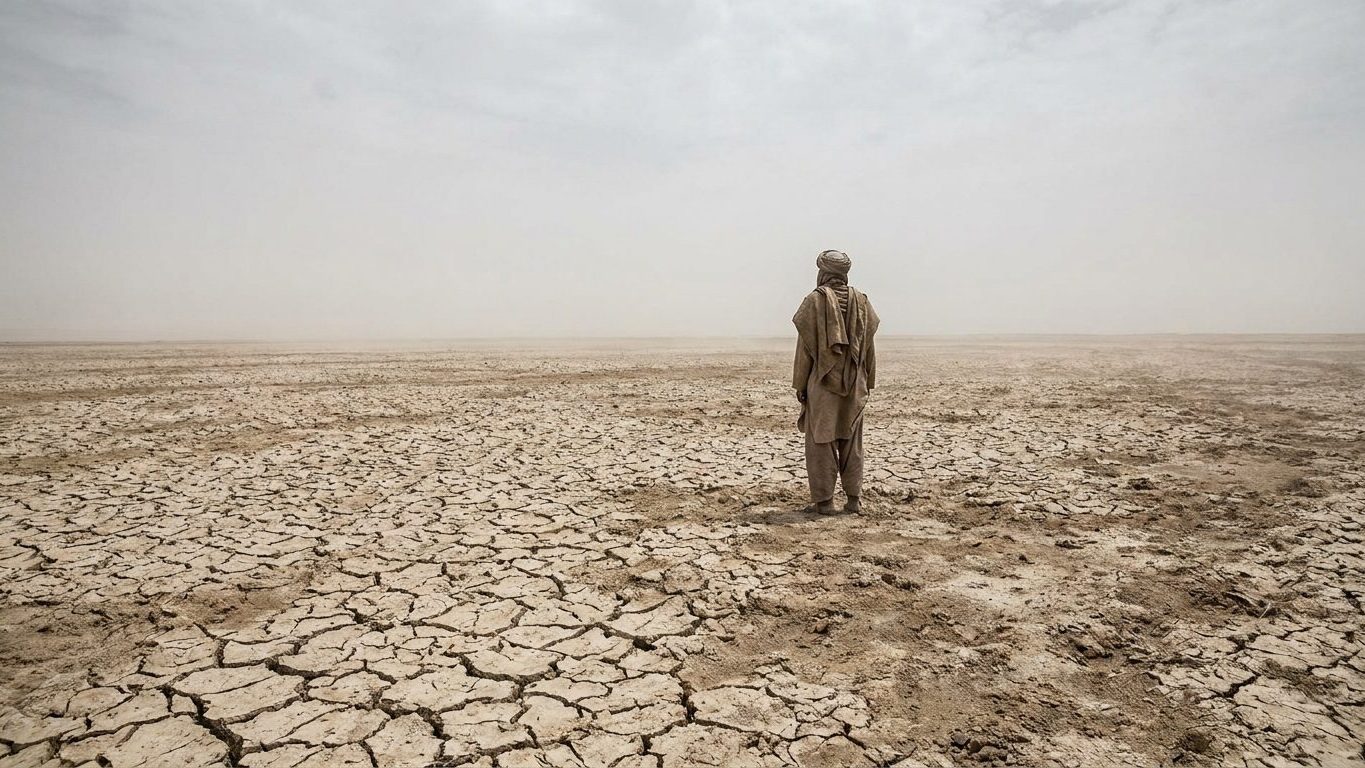
A follow-up report published by SciencePost argues that the four riparian countries (Cameroon, Chad, Niger, Nigeria) diverted water from the lake's tributaries to irrigate their fields, shrinking the lake from 25,000 km² in the 1960s to about 10% of that surface — a framing that places responsibility on state irrigation policy rather than rainfall decline. The piece matters for basin planning because it reinforces arguments for coordinated transboundary surface-water management under the Lake Chad Basin Commission rather than purely climate-adaptation responses.
Unprecedented peace march in Bol, capital of the Lake Province
Chadian citizens and authorities mounted what local-aggregator reporting describes as an "unprecedented" peace march in Bol, published within the past two days. Bol is a key lakeside hub for fishing and displaced populations, so a large public mobilization for peace signals local pressure on both security actors and development programs in the province.
EU science service warns acute food insecurity "alarmingly high" globally
The European Commission's Joint Research Centre (21 September 2026) reported that acute food insecurity remains alarmingly high worldwide, citing Middle East conflicts, El Niño effects and funding cuts as deepening risks for vulnerable communities in the coming months. Chad and the wider Sahel consistently feature among the regions monitored in this global assessment, making sustained humanitarian funding a live concern for displaced households around the lake.

Local view
No recent local-language reporting available beyond the Bol peace-march coverage this week, which itself reflects citizen mobilization in the Lake Province.
Context & numbers
- Lake Chad area: ~25,000 km² in the 1960s vs. ~10% of that surface today, per the fresh SciencePost analysis.
- Basin population: the basin covers roughly 8% of the African continent and is home to more than 30 million people, over half of whom depend on agriculture, herding and fishing (IUCN baseline).
On the radar
- FEWS NET's Chad food security outlook (covering through September 2026) is worth monitoring for updated projections reflecting refugee influx and conflict effects.
- Watch for follow-up reporting on the Bol peace march and any formal statements from Lake Province authorities.
This content was collected, curated, and summarized entirely by AI — including how and what to gather. It may contain inaccuracies. Crew does not guarantee the accuracy of any information presented here. Always verify facts on your own before acting on them. Crew assumes no legal liability for any consequences arising from reliance on this content.
Powered by
