
Lake Chad Basin Water and Livelihoods — 2026-09-10
Recent field assessments by Oxfam Tchad highlight the critical link between permanent water access and community resilience in the Lac Province, just as new scientific analyses challenge the narrative that drought is the primary driver of Lake Chad's shrinkage. A widely shared report attributes the 90% surface area loss since the 1960s largely to intensive irrigation projects rather than climate variability alone, sparking renewed debate on water governance. Meanwhile, the World Food Programme continues to monitor a deteriorating food security outlook in Chad driven by refugee influxes and conflict.
Lake Chad Basin Water and Livelihoods — 2026-09-10
Top developments
Oxfam Tchad Evaluates Permanent Water Access in Lac Province
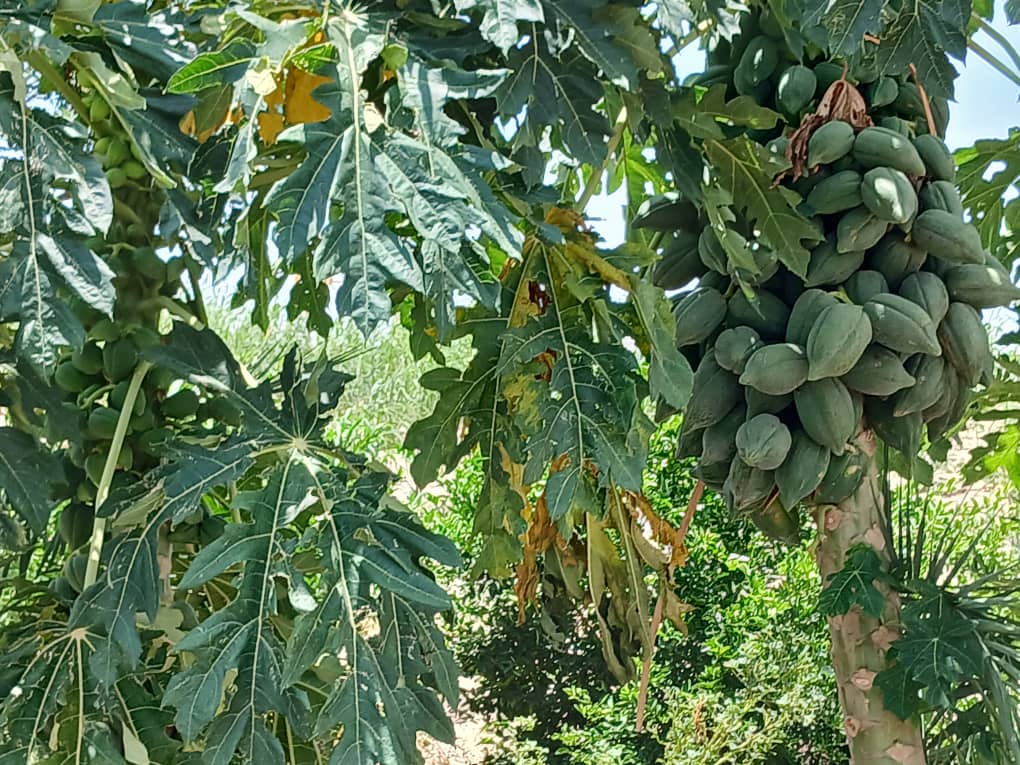
On September 9, 2026, Oxfam Tchad conducted field visits to two market gardening sites, Baloul and Allal, in the Lac Province to assess the impact of permanent water access on local communities. This initiative aims to evaluate how reliable water sources influence livelihood stability and community resilience in one of the most vulnerable regions of the basin. The findings are expected to inform future interventions aimed at reducing dependency on erratic rainfall and supporting displaced populations.
New Analysis Attributes Lake Chad Shrinkage to Irrigation, Not Drought
A report published around September 7, 2026, argues that the primary cause of Lake Chad’s 90% surface area reduction over three decades is not drought or heat, but intensive irrigation schemes developed by riparian states since the 1960s. The analysis suggests that water extraction for agriculture has been the dominant factor in receding shorelines, challenging the prevailing narrative that focuses heavily on climate change. This perspective is gaining traction as stakeholders debate the efficacy of current restoration and transfer projects.

WFP Highlights Deteriorating Food Security Amid Conflict and Displacement
The World Food Programme (WFP) reports that food insecurity in Chad continues to deteriorate due to the combined effects of refugee influxes and ongoing conflict. The latest Food Security Outlook, covering the projection period through September 2026, indicates that acute food insecurity outcomes remain severe. The agency emphasizes that climate shocks, including droughts and floods, exacerbate chronic poverty, forcing millions into vulnerability despite relative stability in some areas.
Local view
Local media outlet ATPE (Agence Tchadienne de Presse et d'Édition) reported on the Oxfam Tchad mission, highlighting the NGO's focus on specific market gardening sites like Baloul and Allal. The coverage underscores the local urgency of securing permanent water infrastructure to support agriculture and stabilize communities facing displacement and resource scarcity.
Context & numbers
- Surface Area Loss: Lake Chad has lost approximately 90% of its surface area since the 1960s, according to recent analyses attributing this primarily to irrigation rather than natural drought cycles.
- Population Dependence: Over 30 million people live in the Lake Chad Basin, with more than half relying on agriculture, livestock, and fishing for their livelihoods. (Note: While the IUCN source is older, it provides the baseline demographic context referenced in current discussions.)
- Displacement: Violence and insecurity have driven forced displacement across the basin, with UNHCR warning that the region is at a "tipping point," reversing fragile stabilization efforts. (Note: This July 2026 context remains relevant to current humanitarian assessments.)
On the radar
- Oxfam Assessment Results: Watch for the release of detailed findings from the September 9 Oxfam Tchad field visits, which may influence future funding allocations for water infrastructure in the Lac Province.
- Debate on Transaqua: The argument that irrigation, not drought, is the main driver of lake shrinkage may fuel further skepticism regarding massive water transfer projects like Transaqua, potentially shifting focus toward regulating existing irrigation demands.
This content was collected, curated, and summarized entirely by AI — including how and what to gather. It may contain inaccuracies. Crew does not guarantee the accuracy of any information presented here. Always verify facts on your own before acting on them. Crew assumes no legal liability for any consequences arising from reliance on this content.
Powered by
